
A collaboration with UNNO Gallery for the exhibition Enclave, presented during Mexico City’s Art Week 2025 at H116 Studio. For this project, we developed the exhibition text and press release, articulating the concept of an “architecture within architecture” and the spatial interventions that reveal how structures inhabit and reshape the places they occupy.
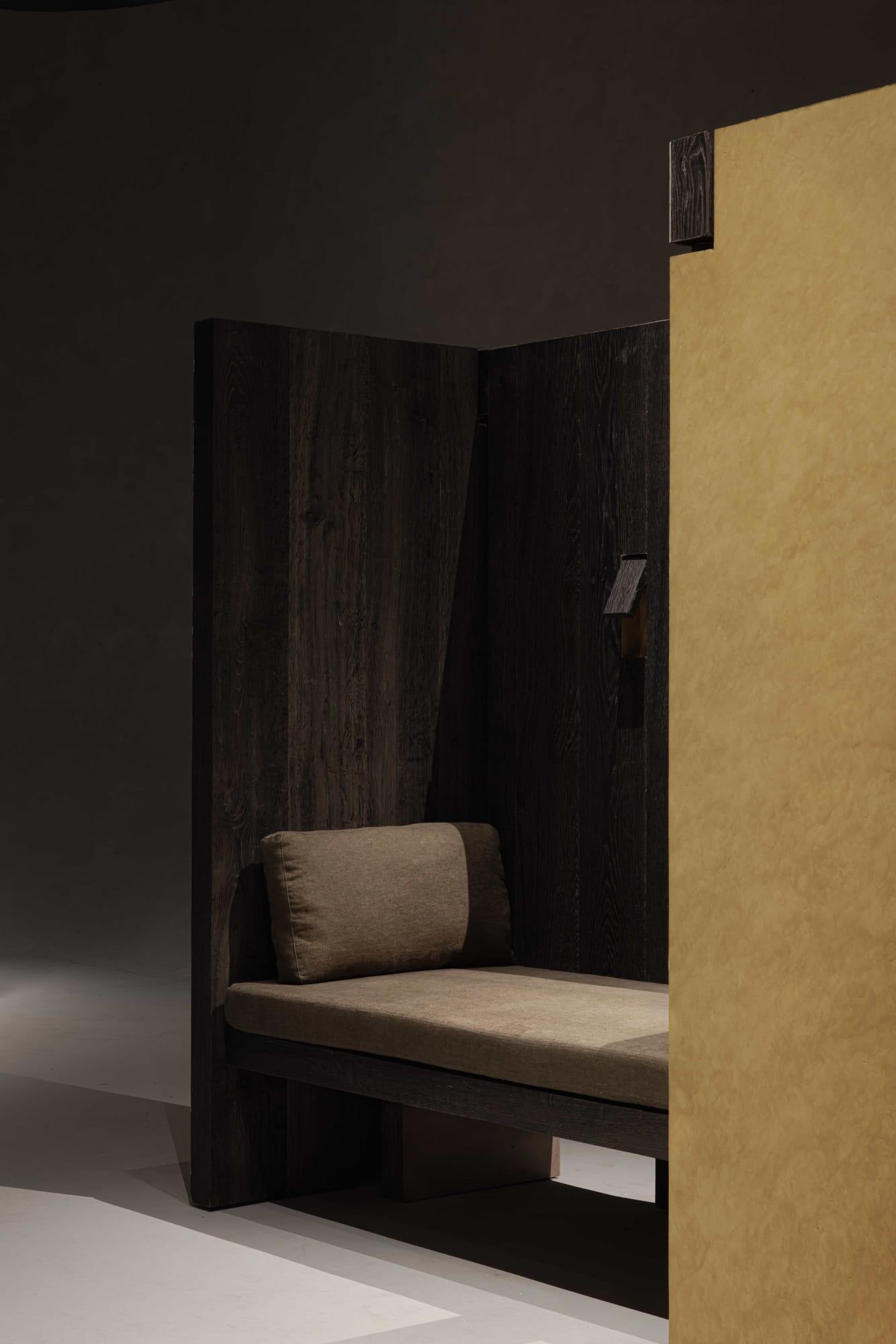
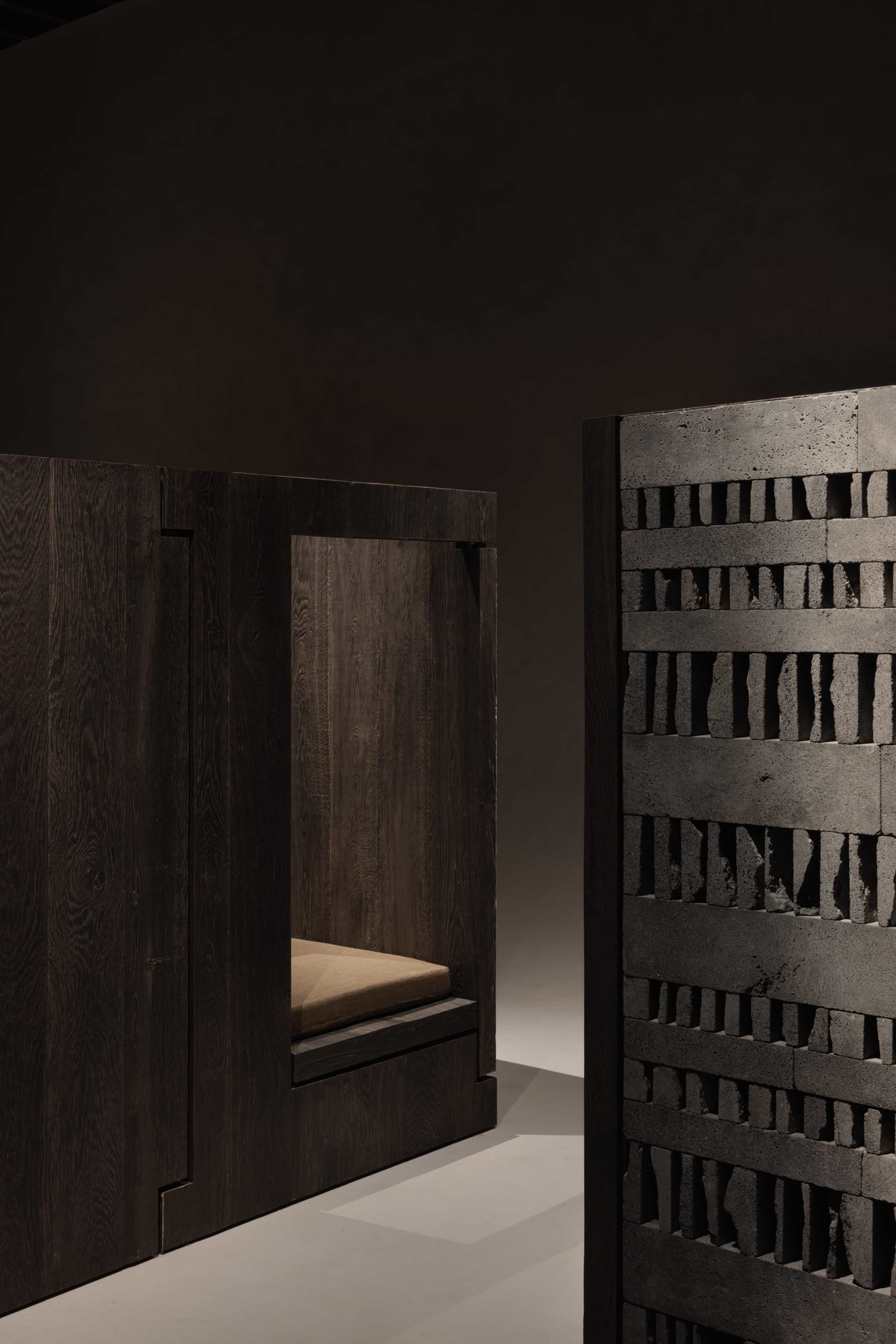
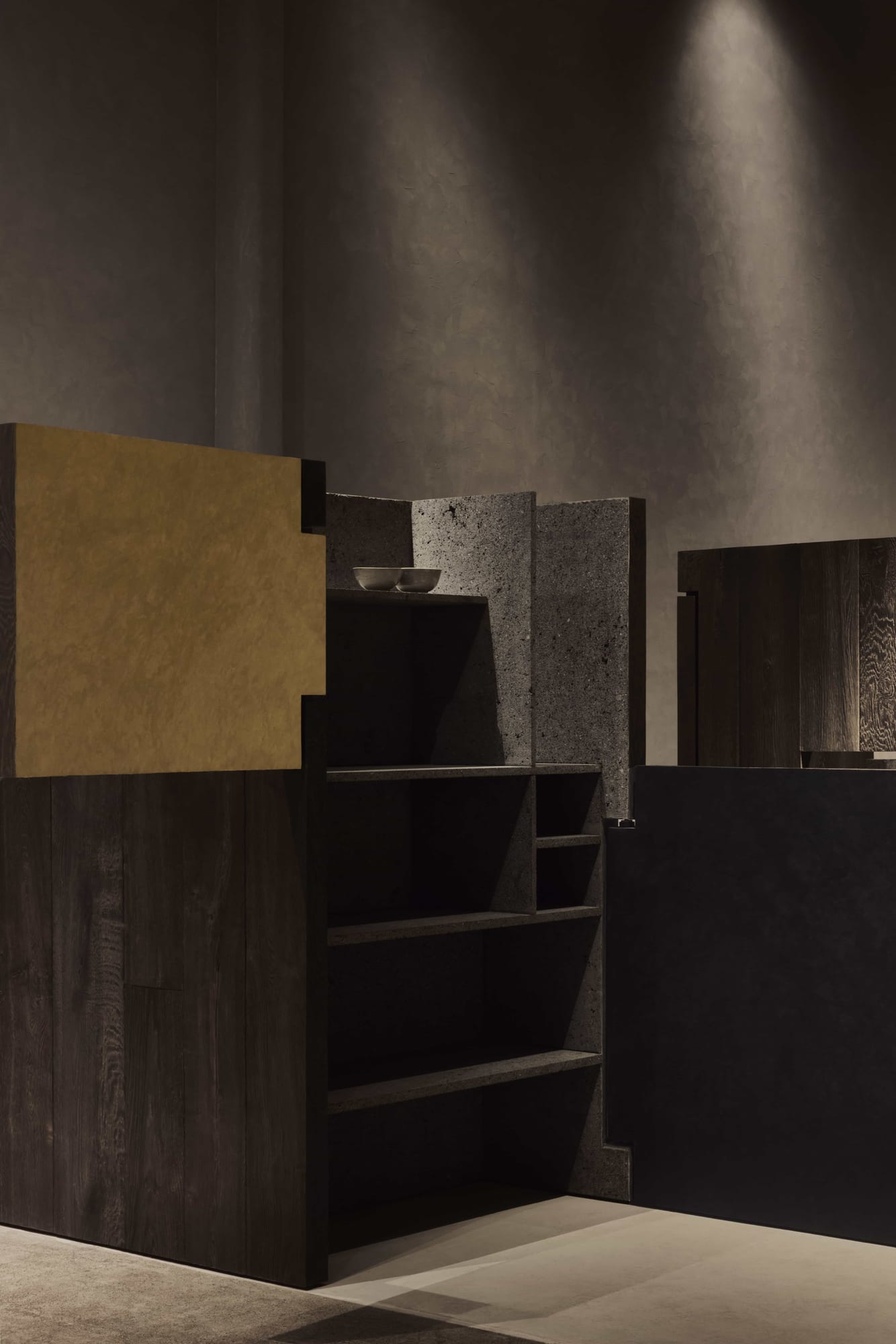
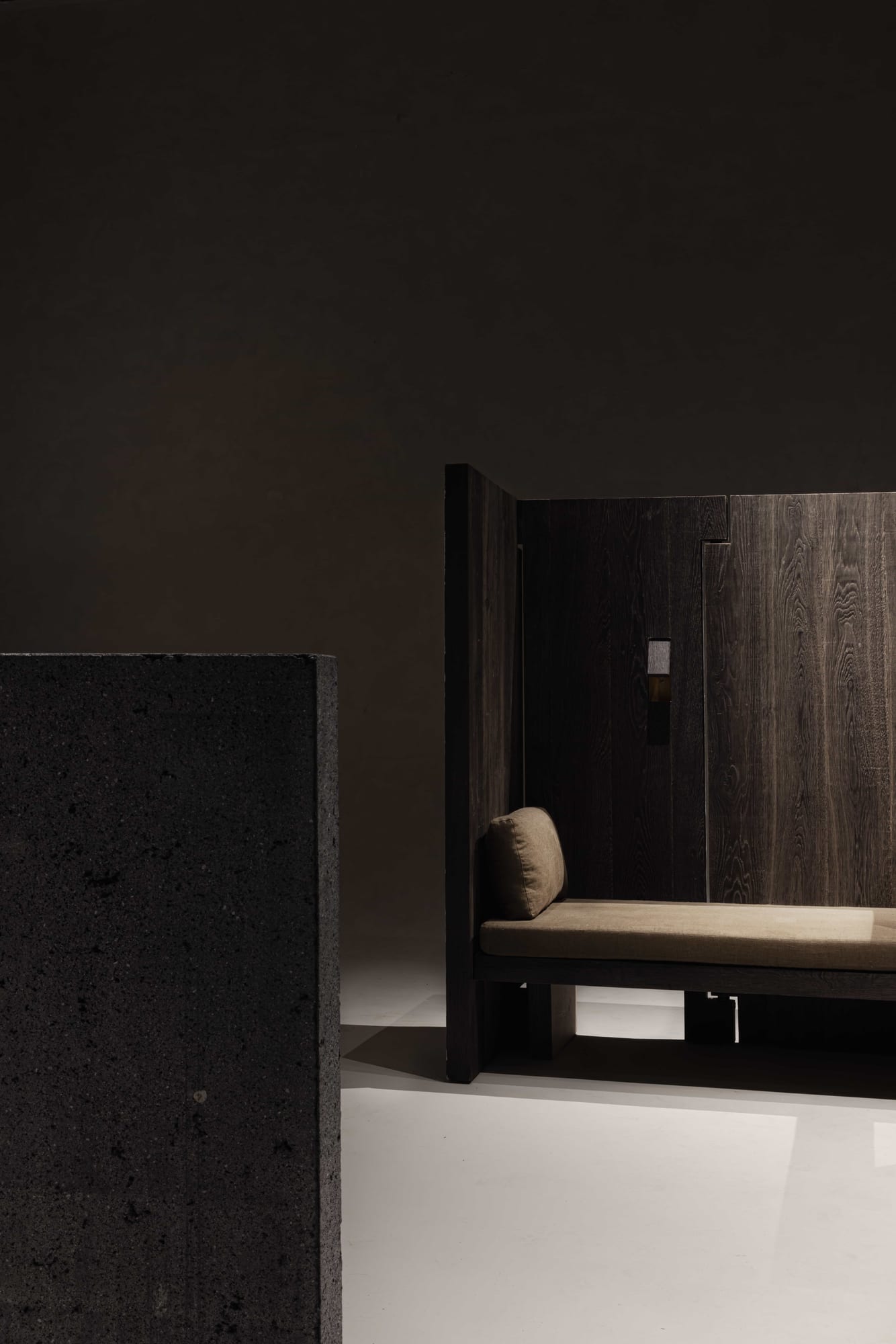
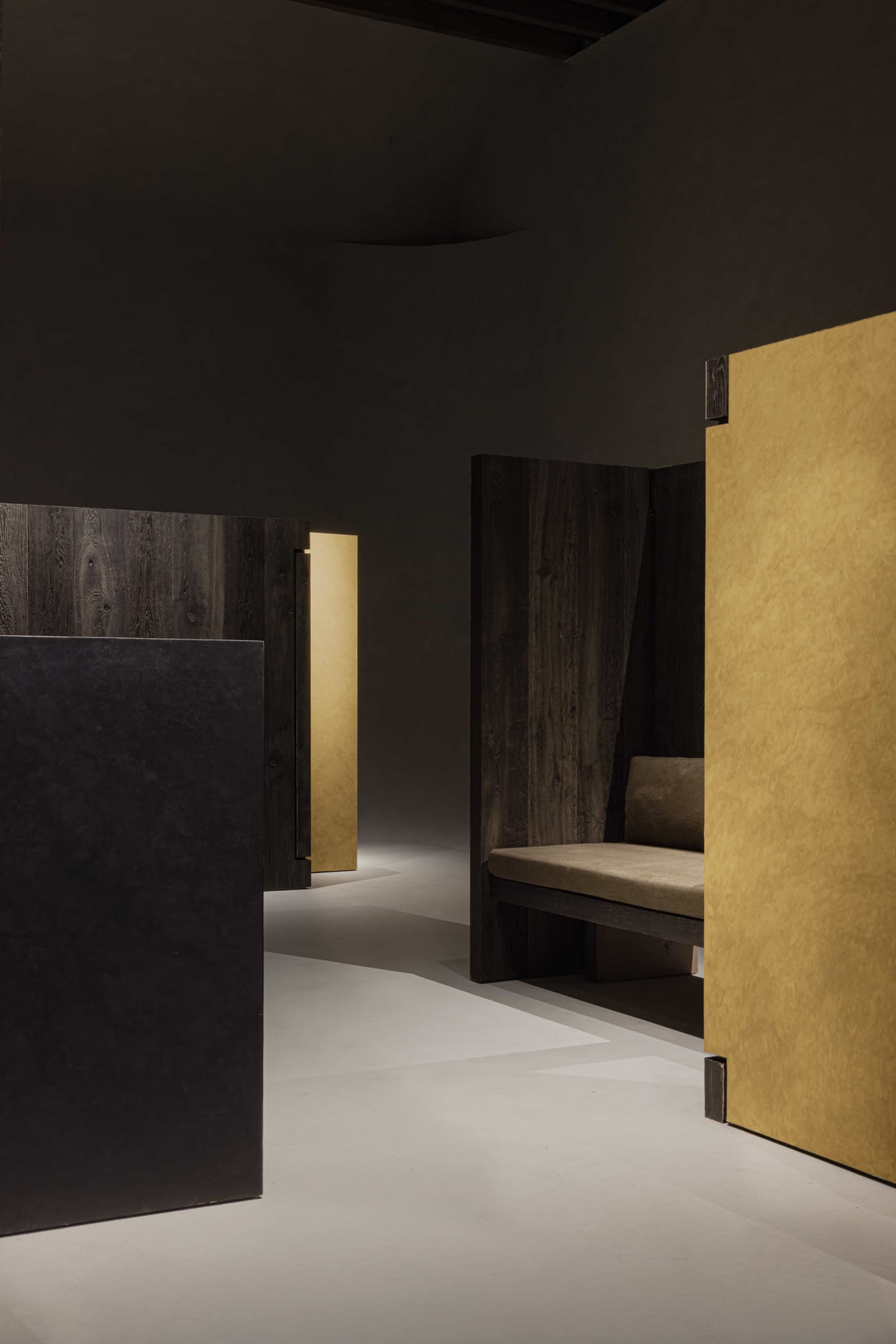
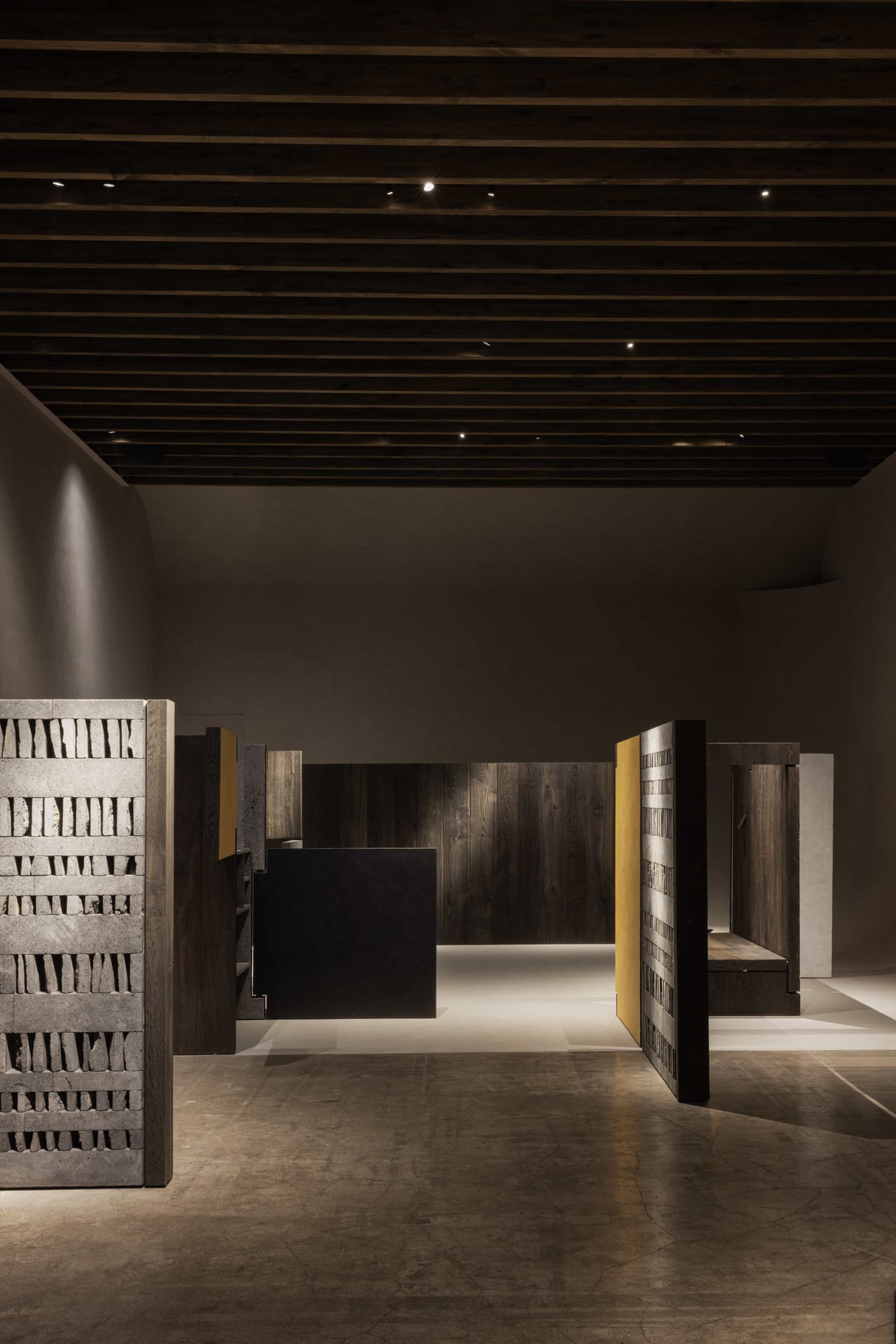
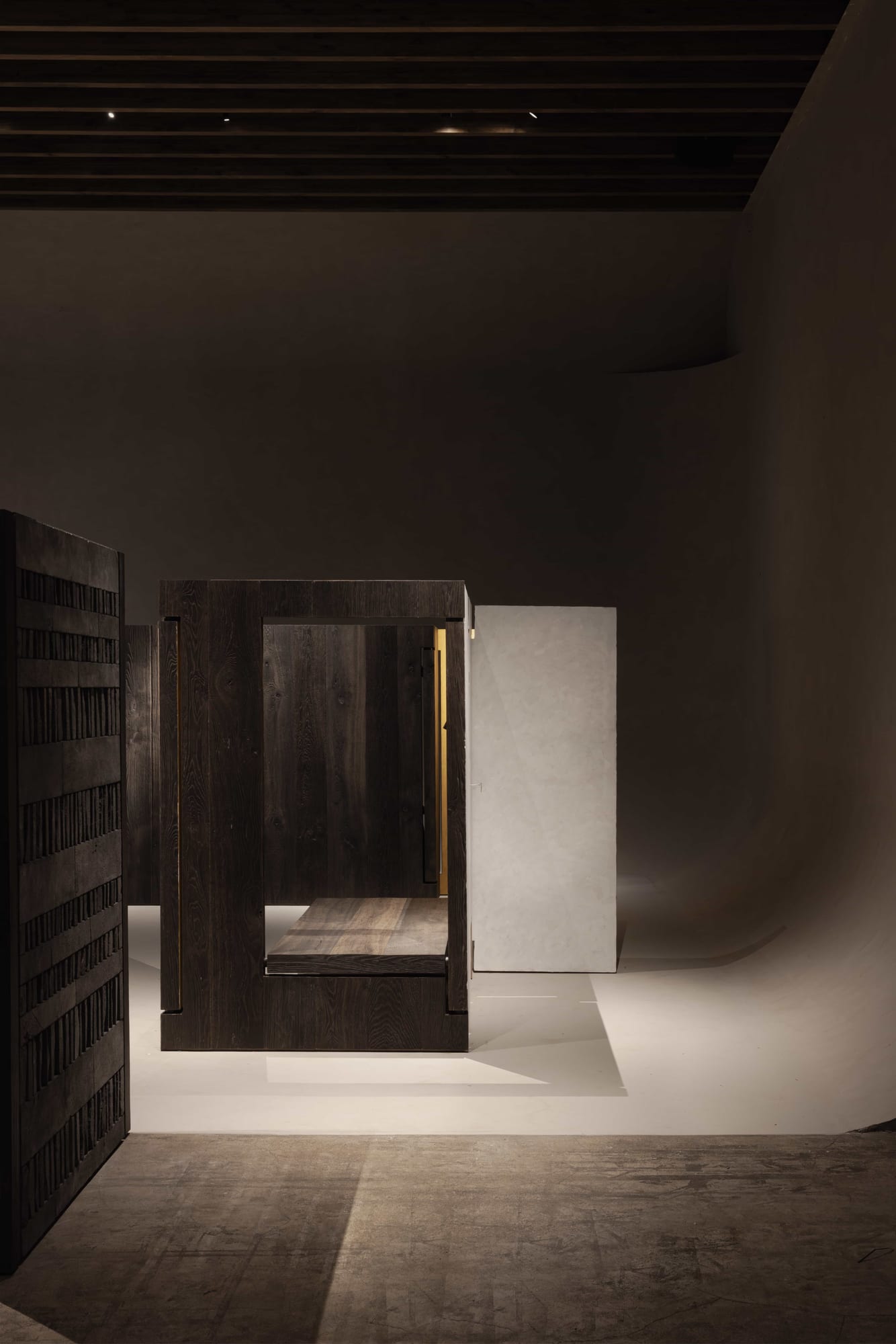
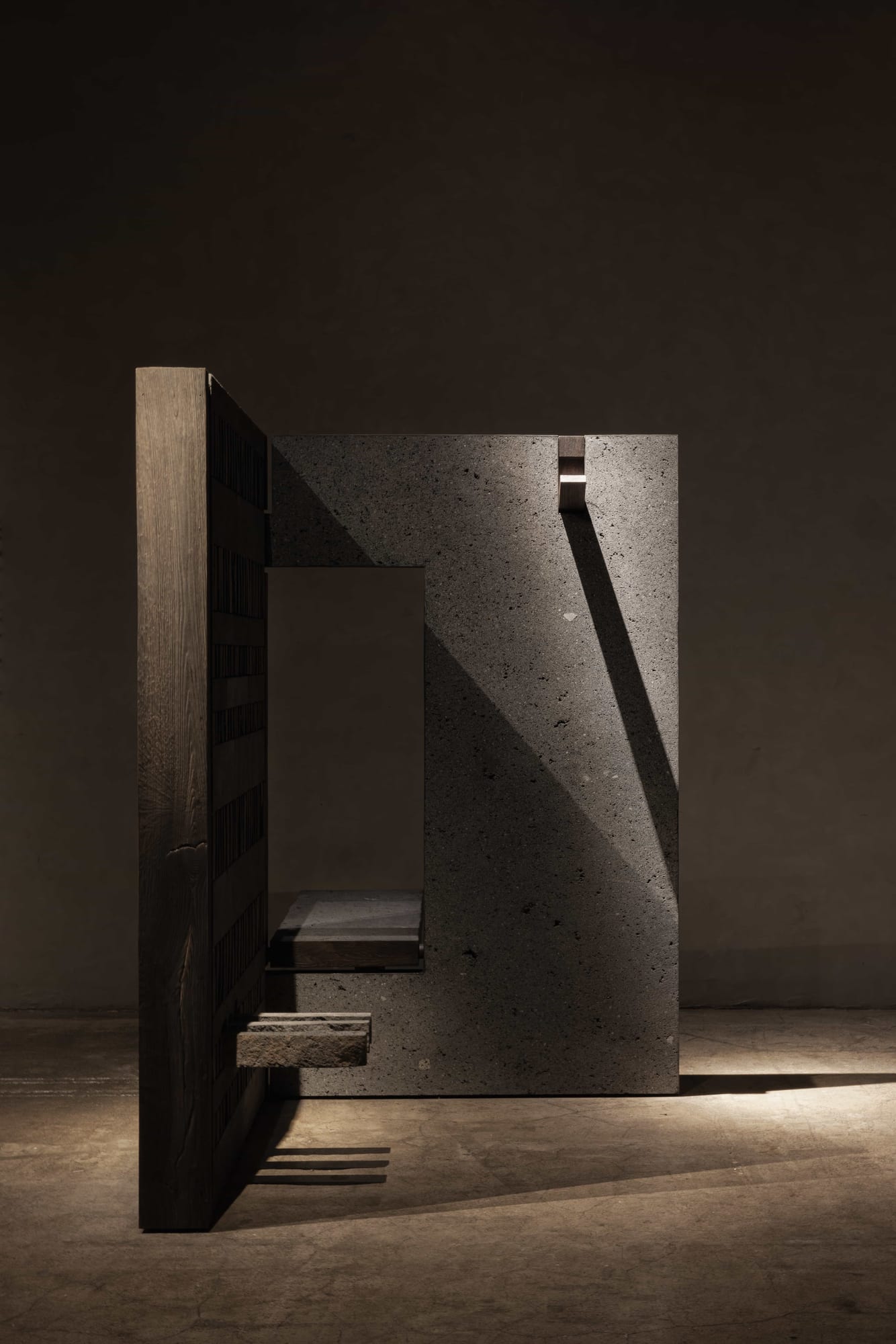
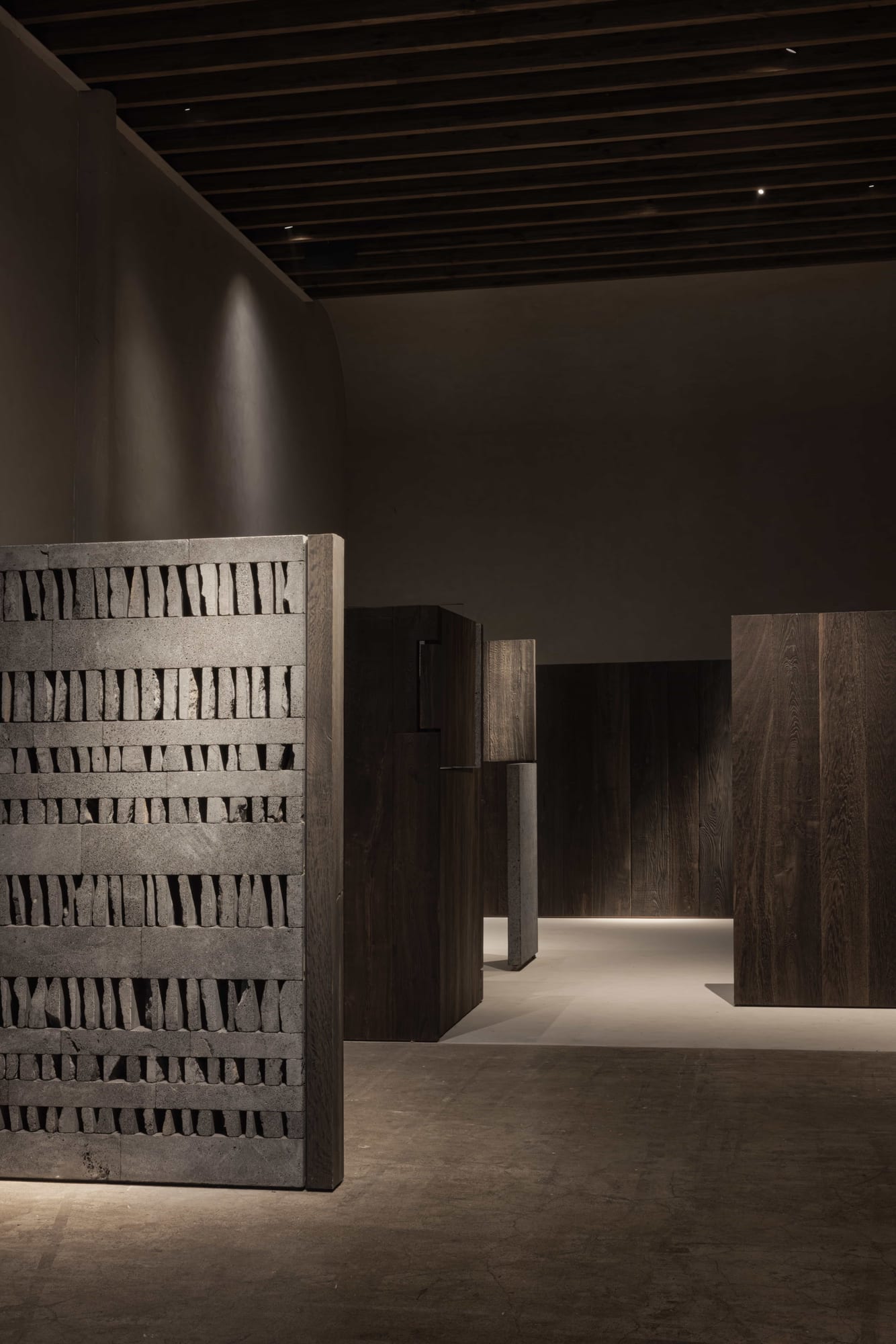
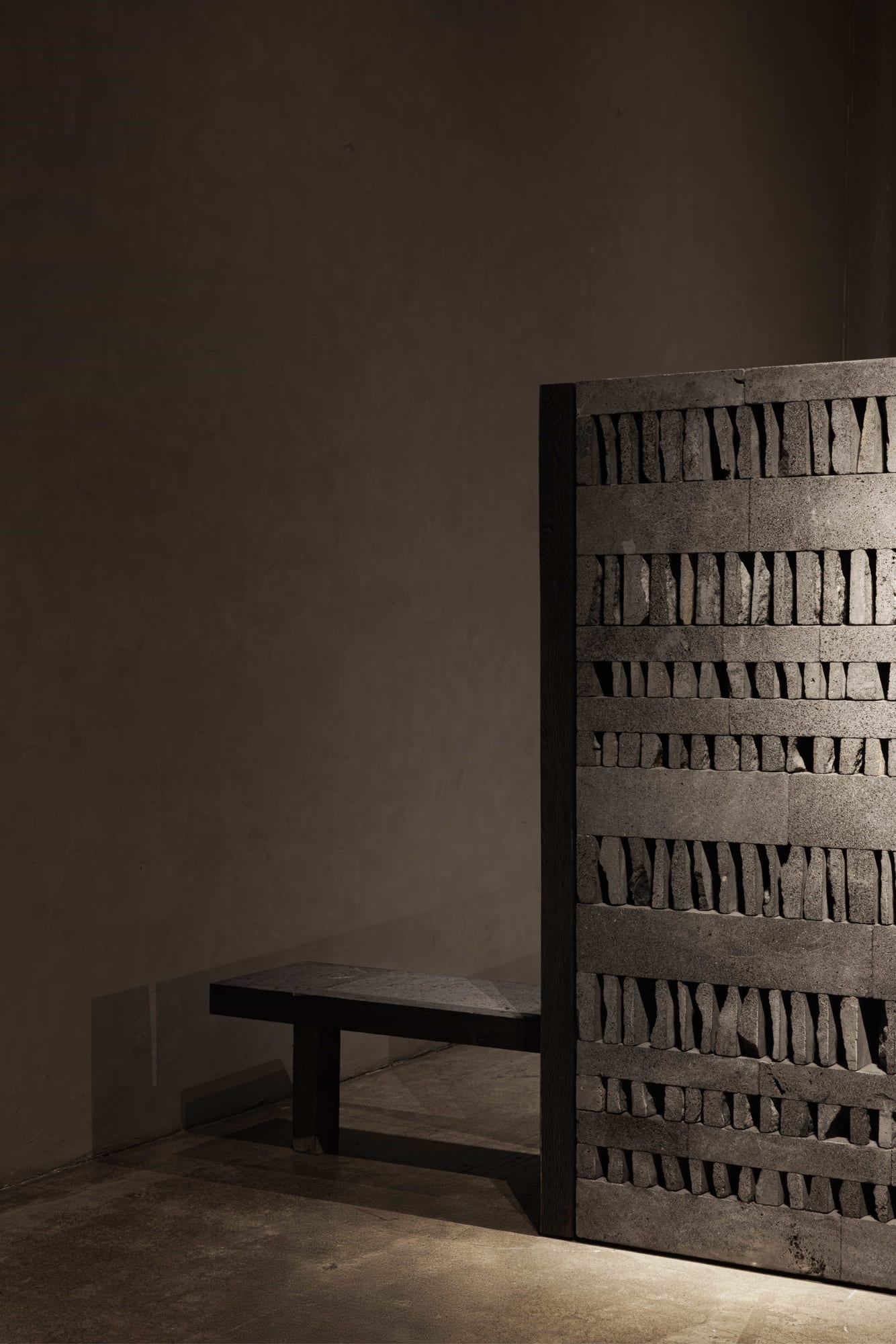
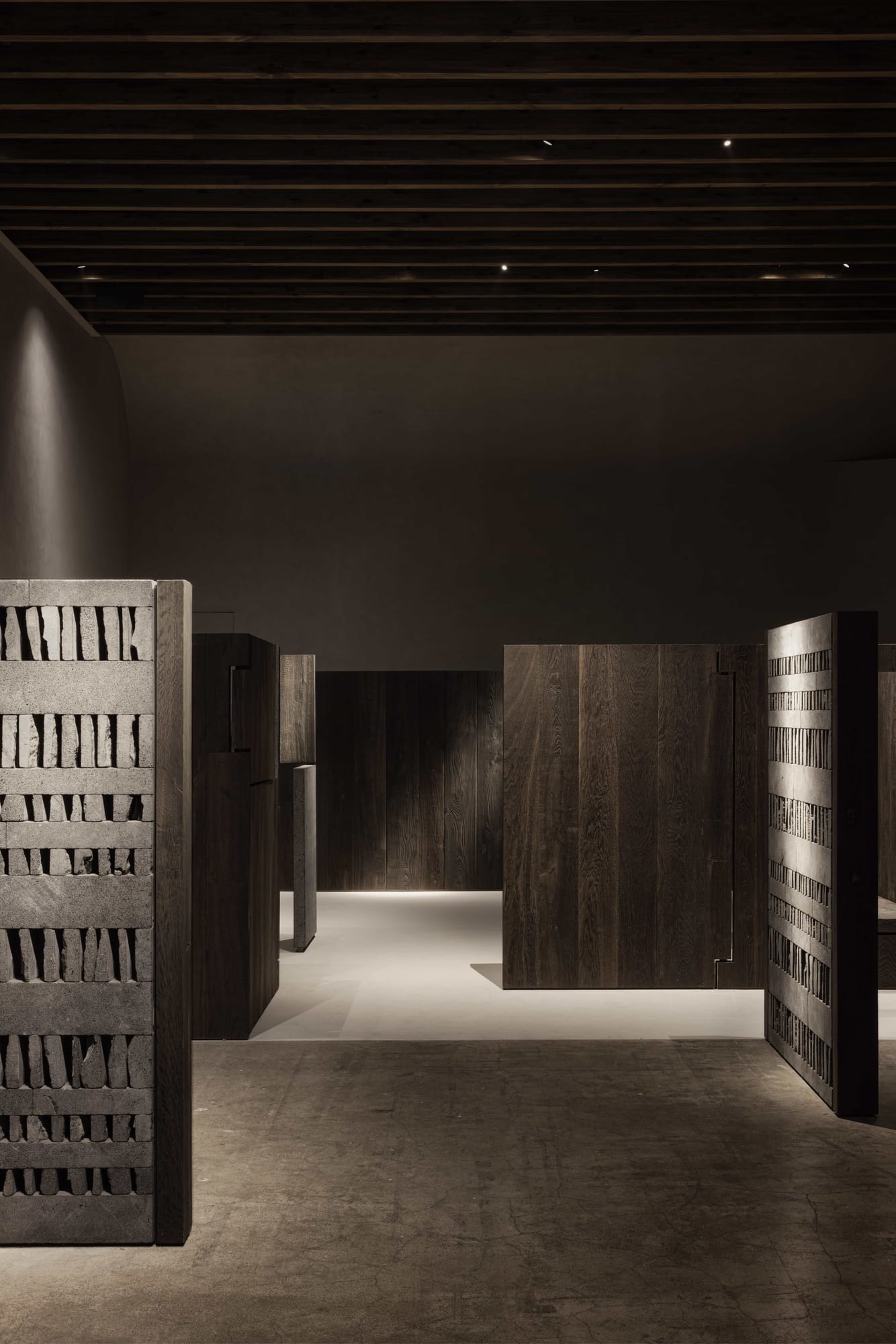
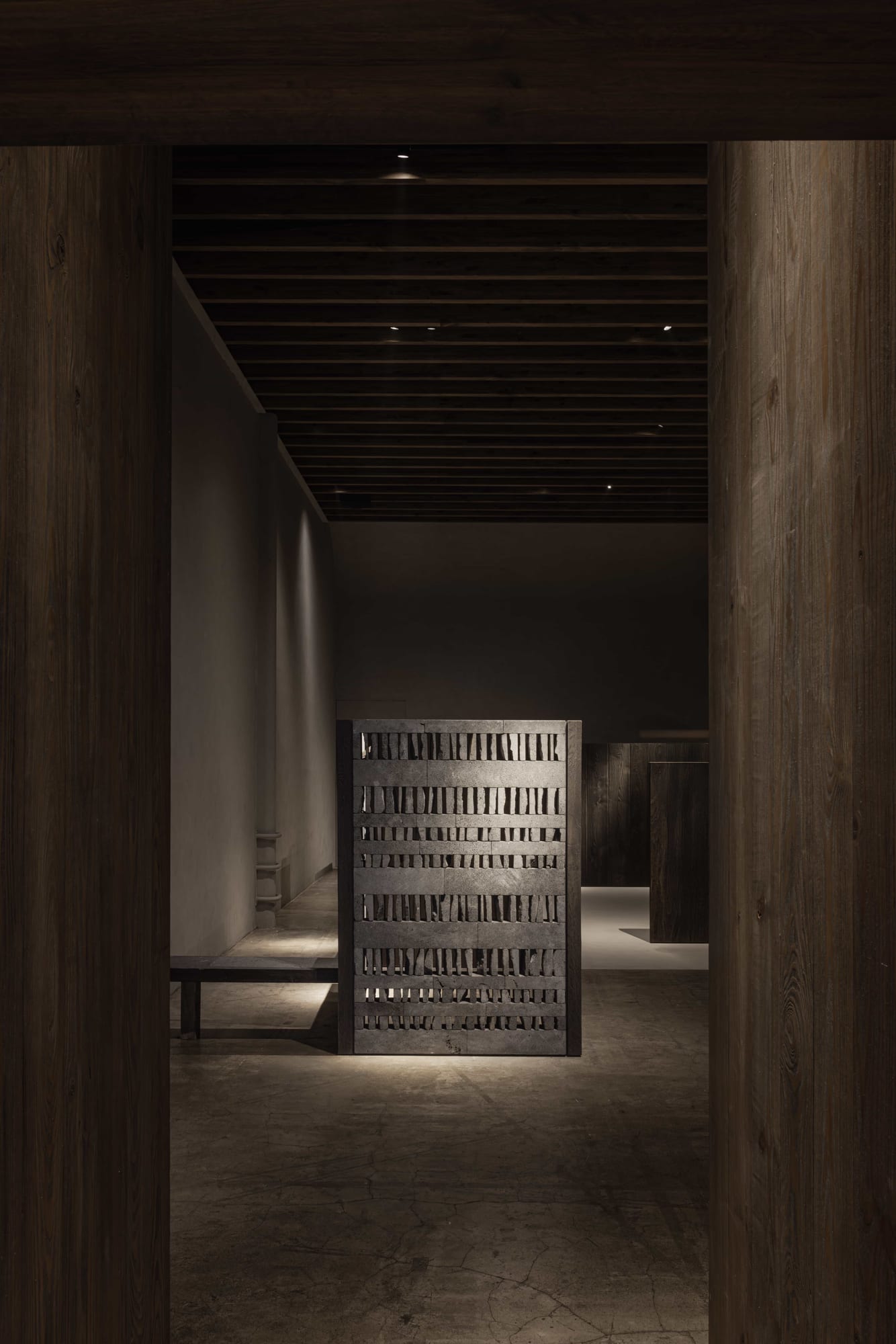
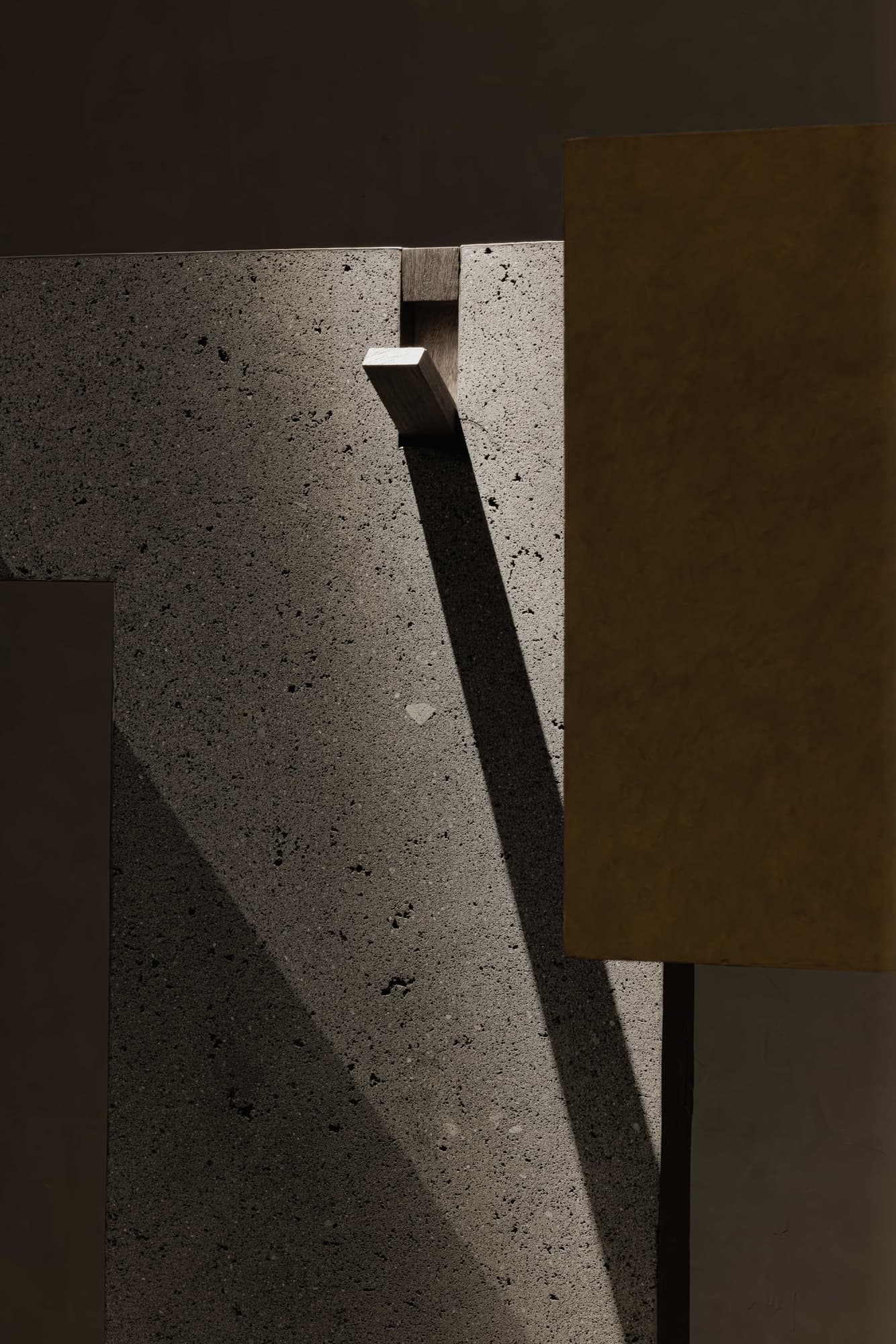
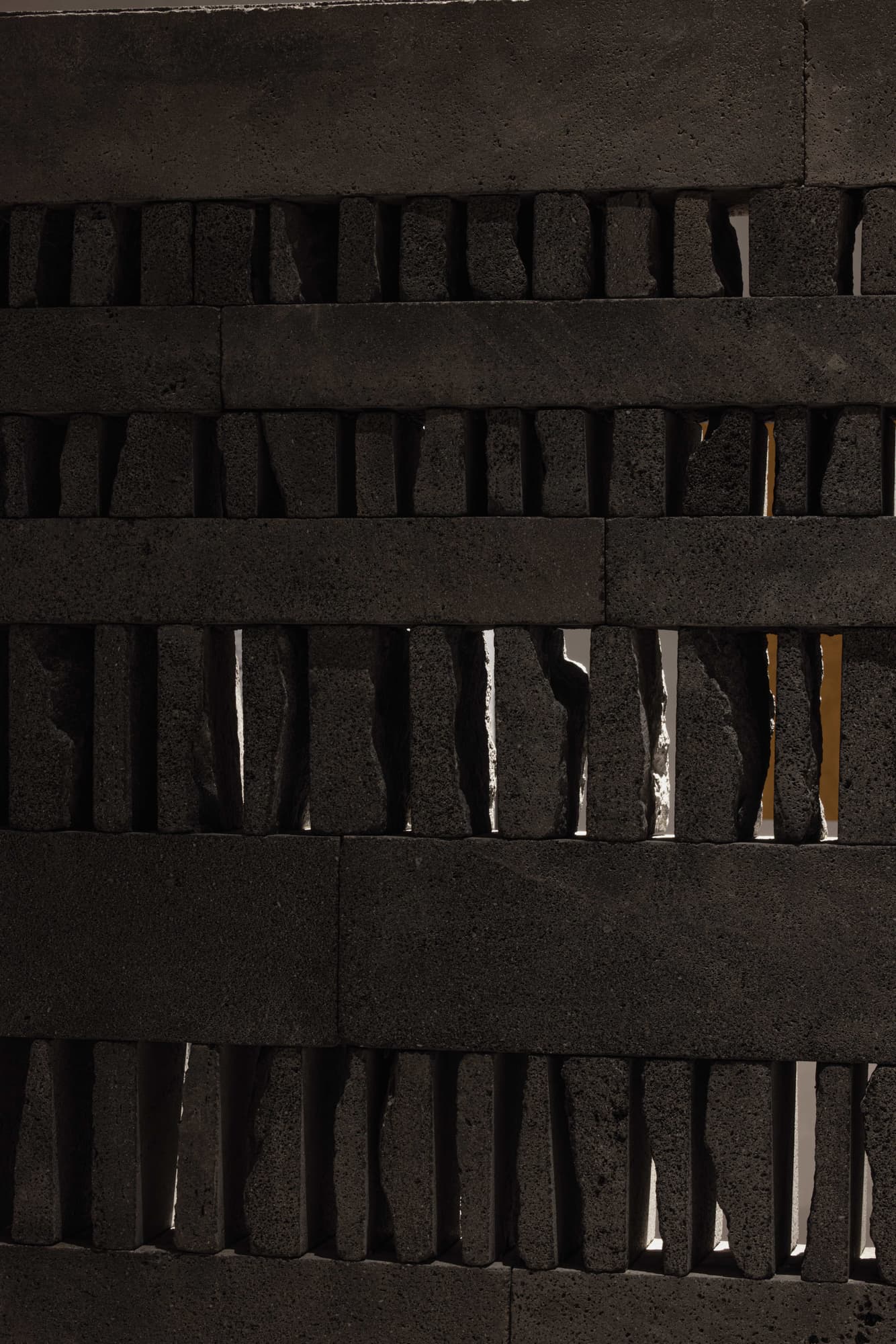
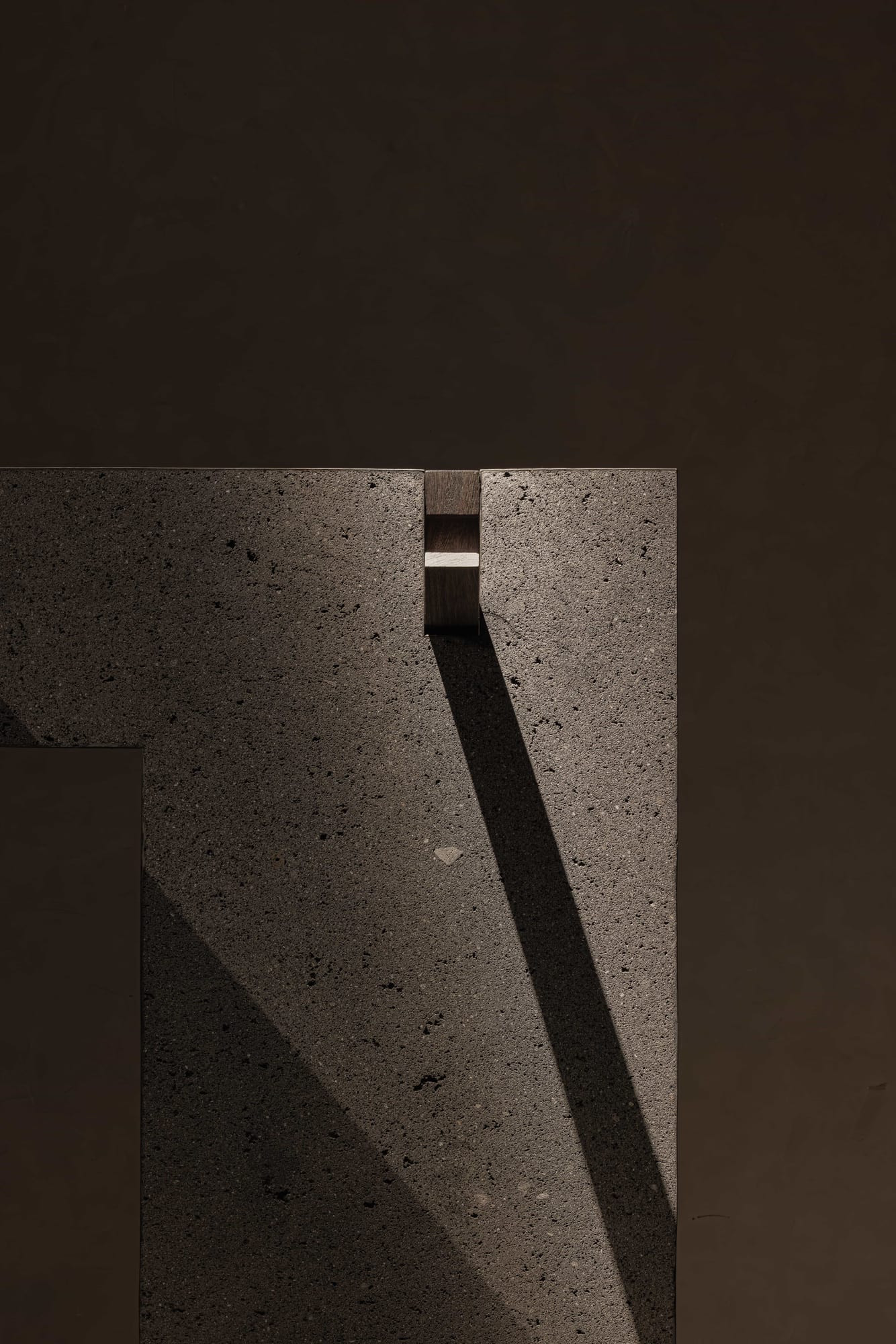
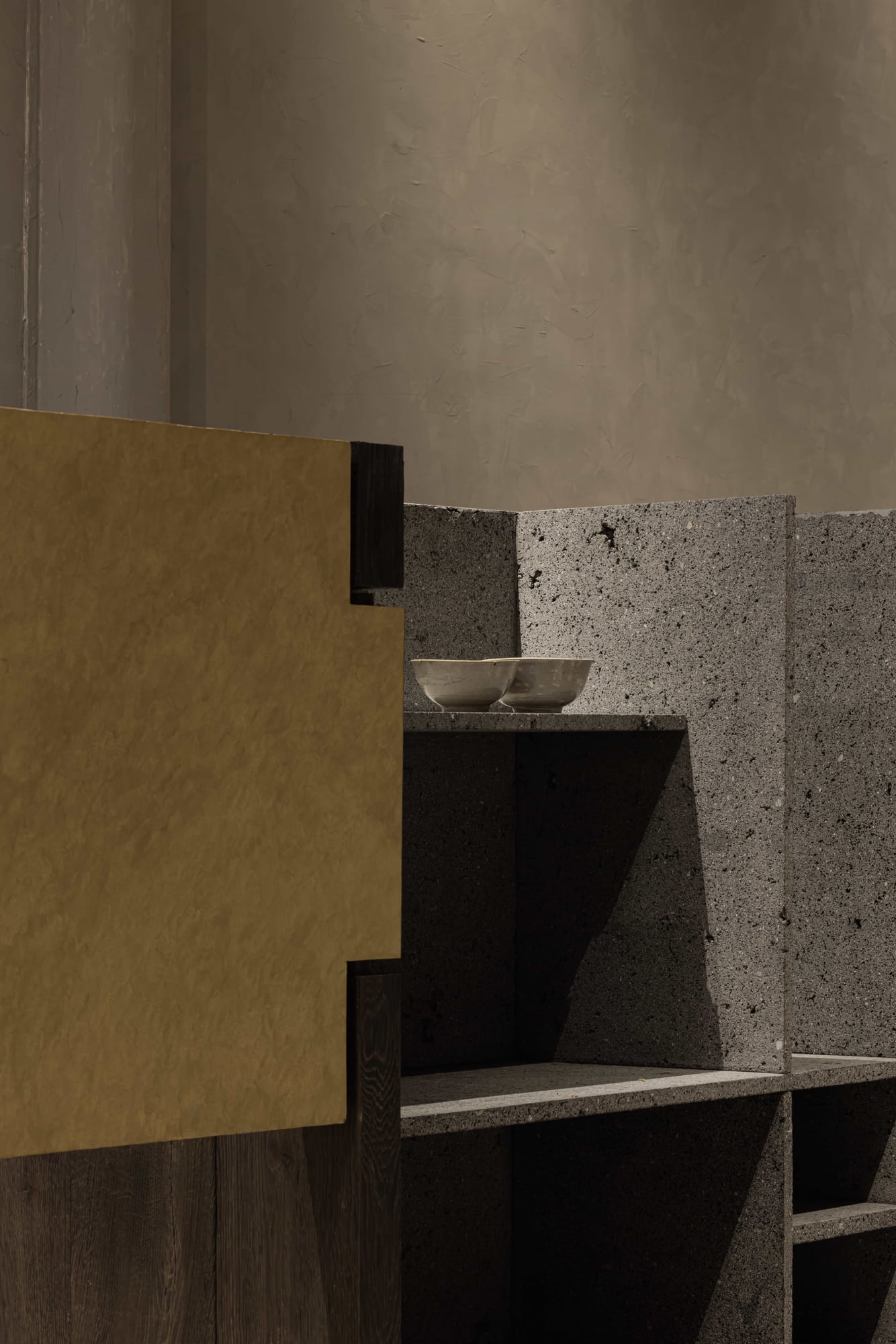
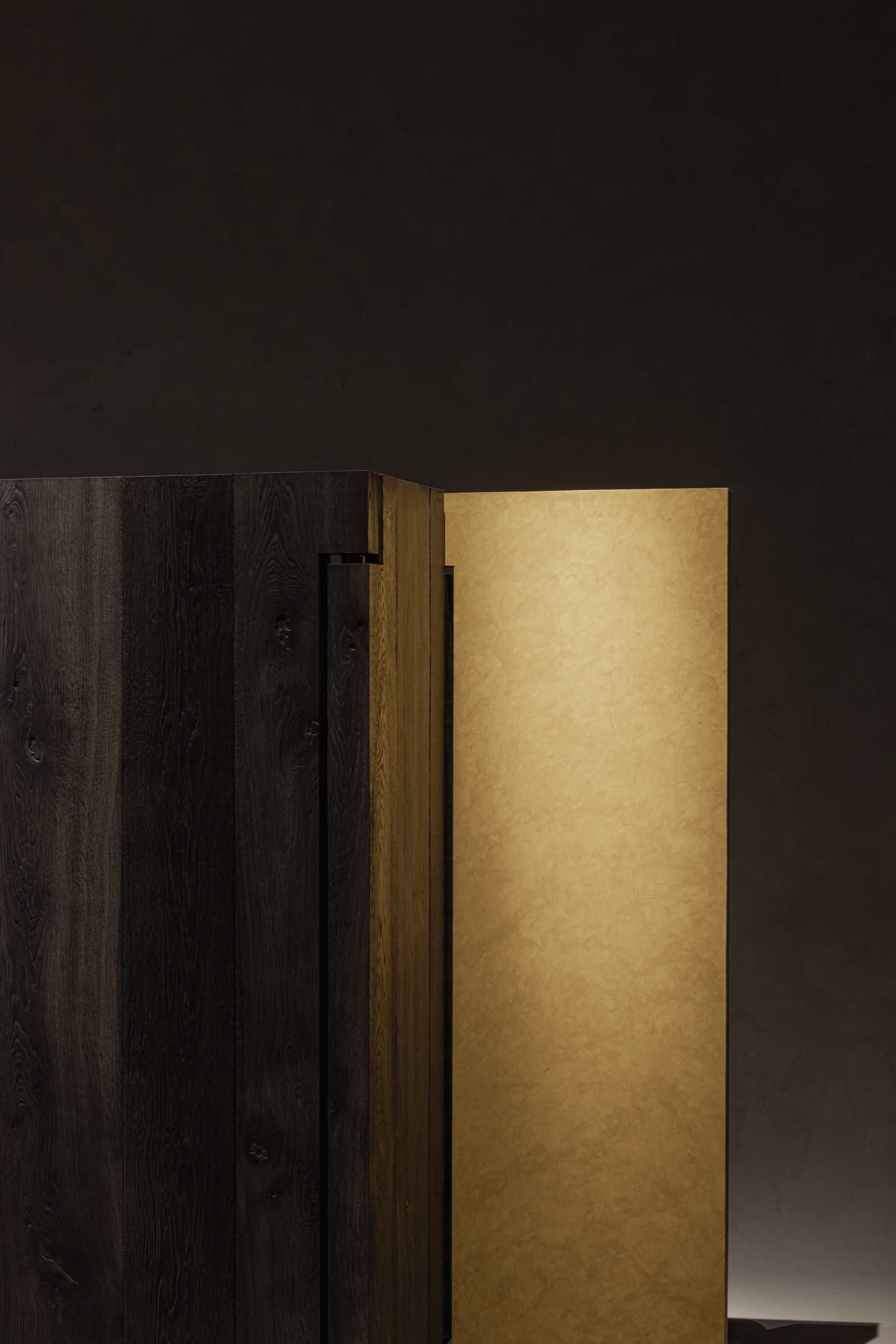
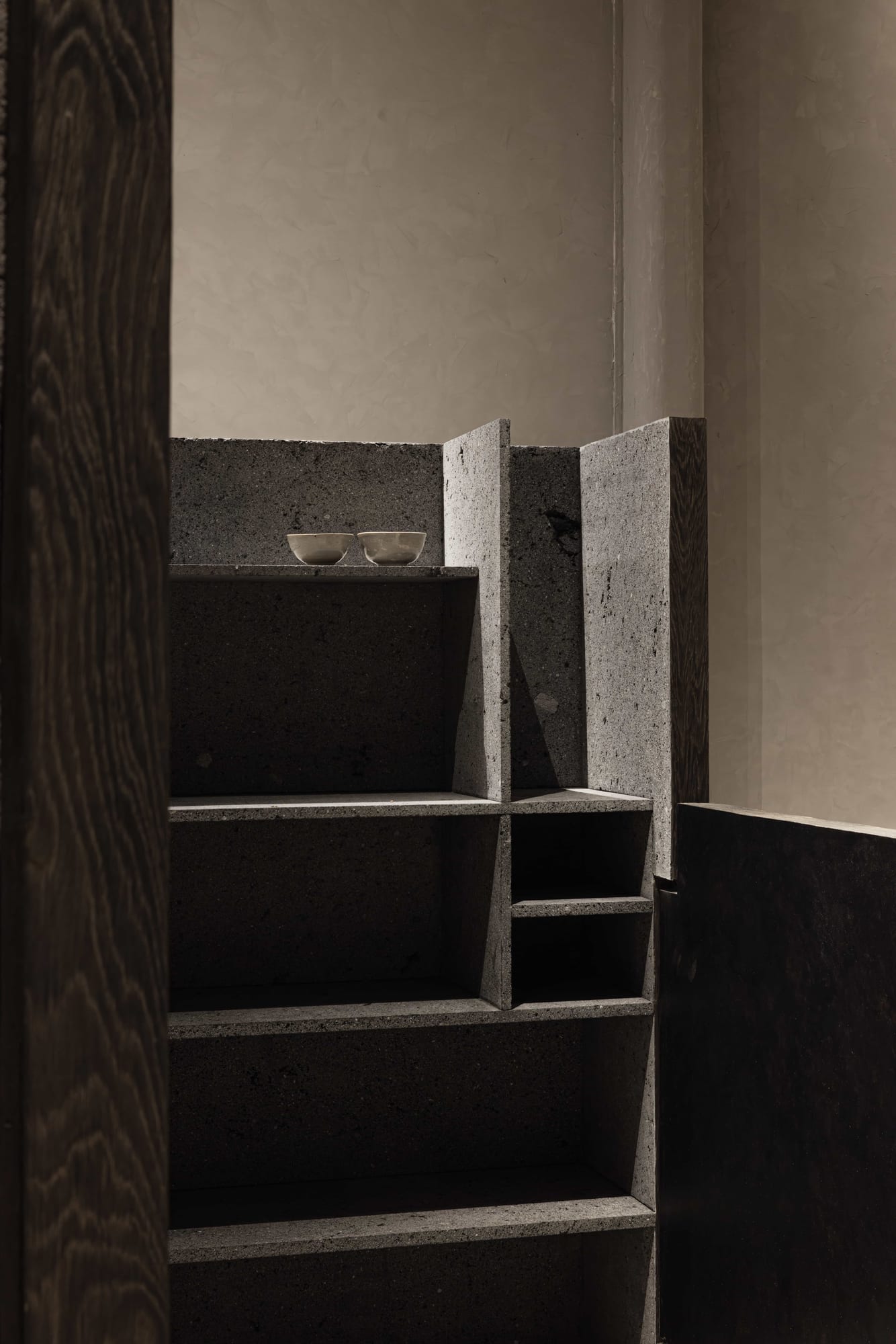
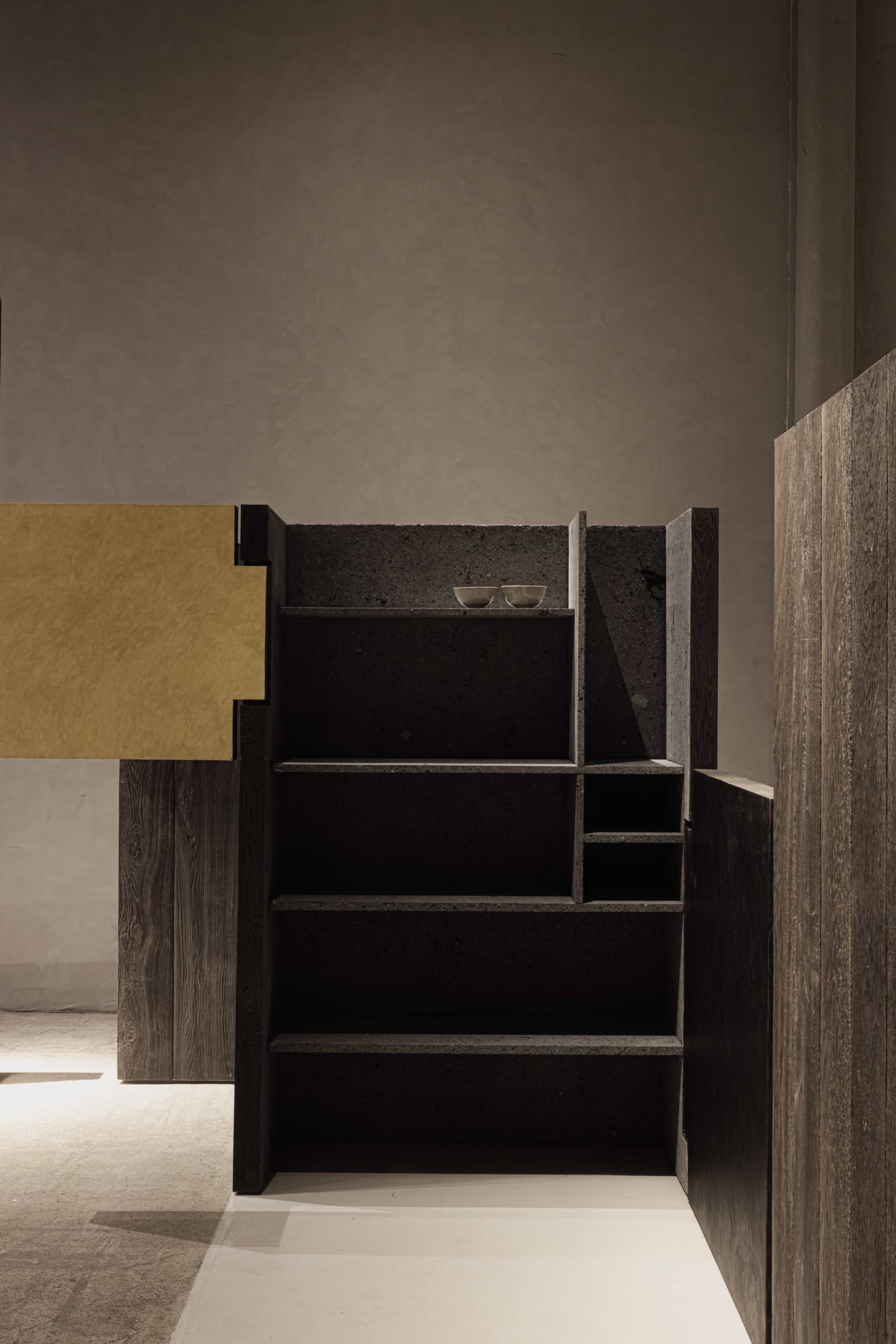
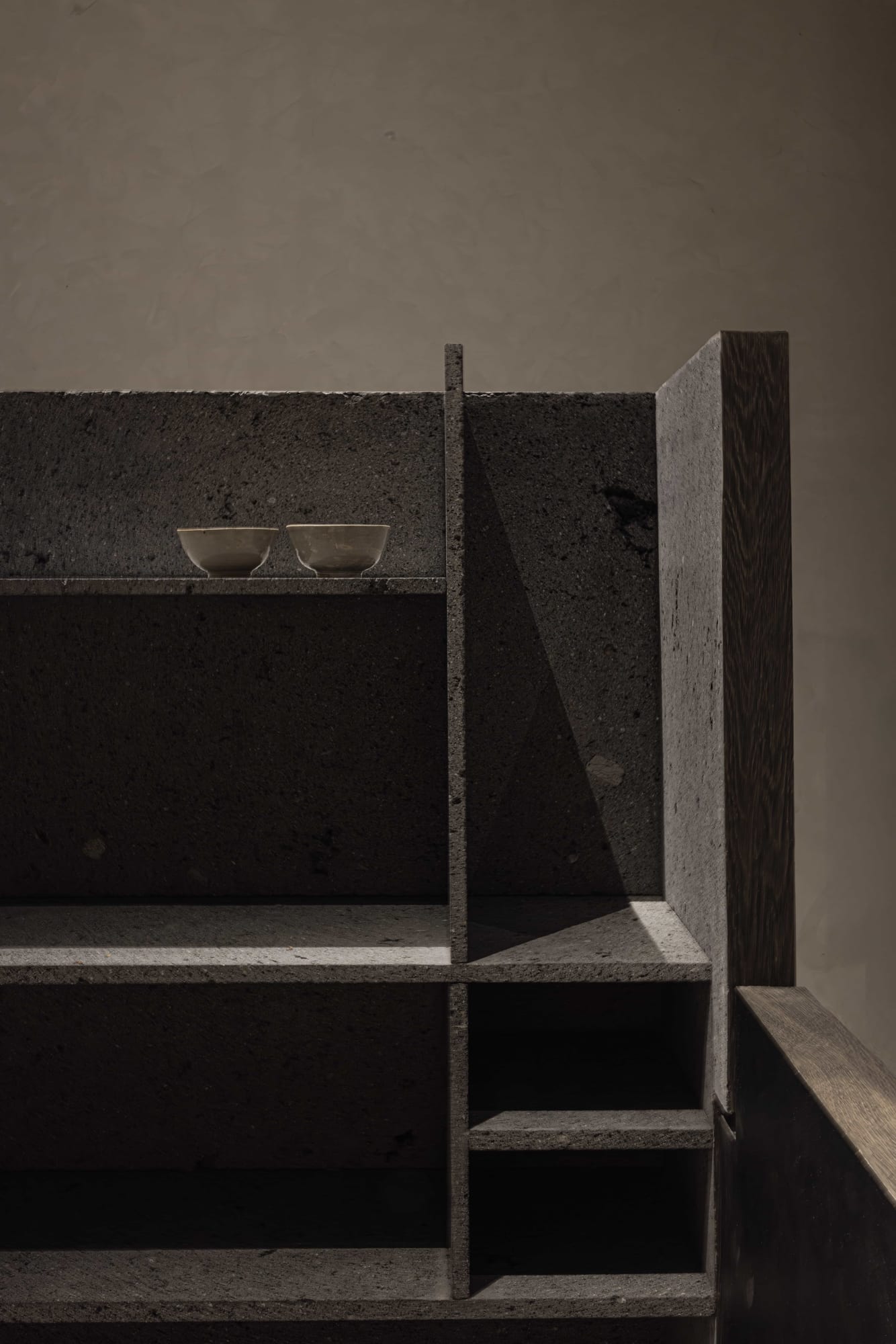
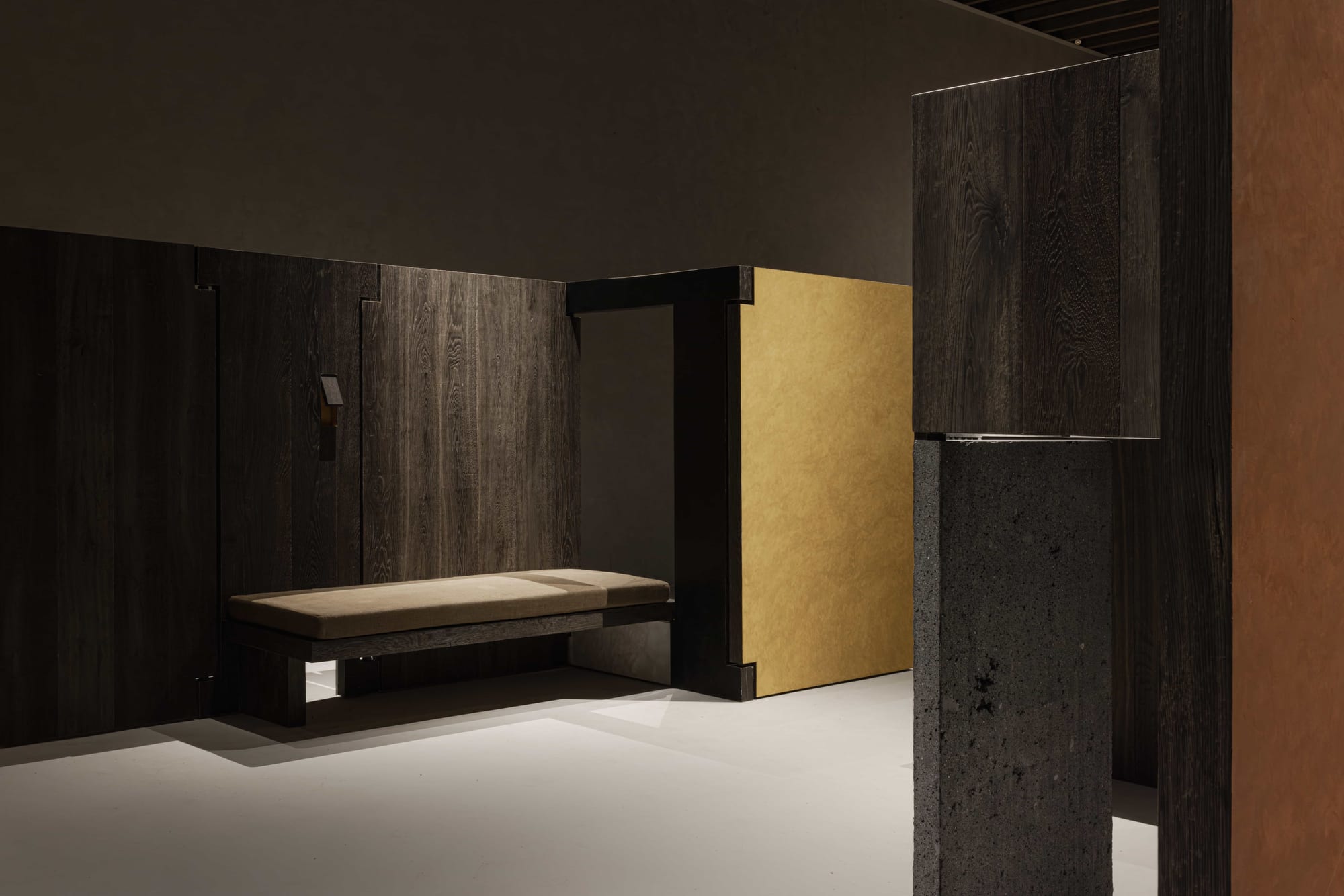
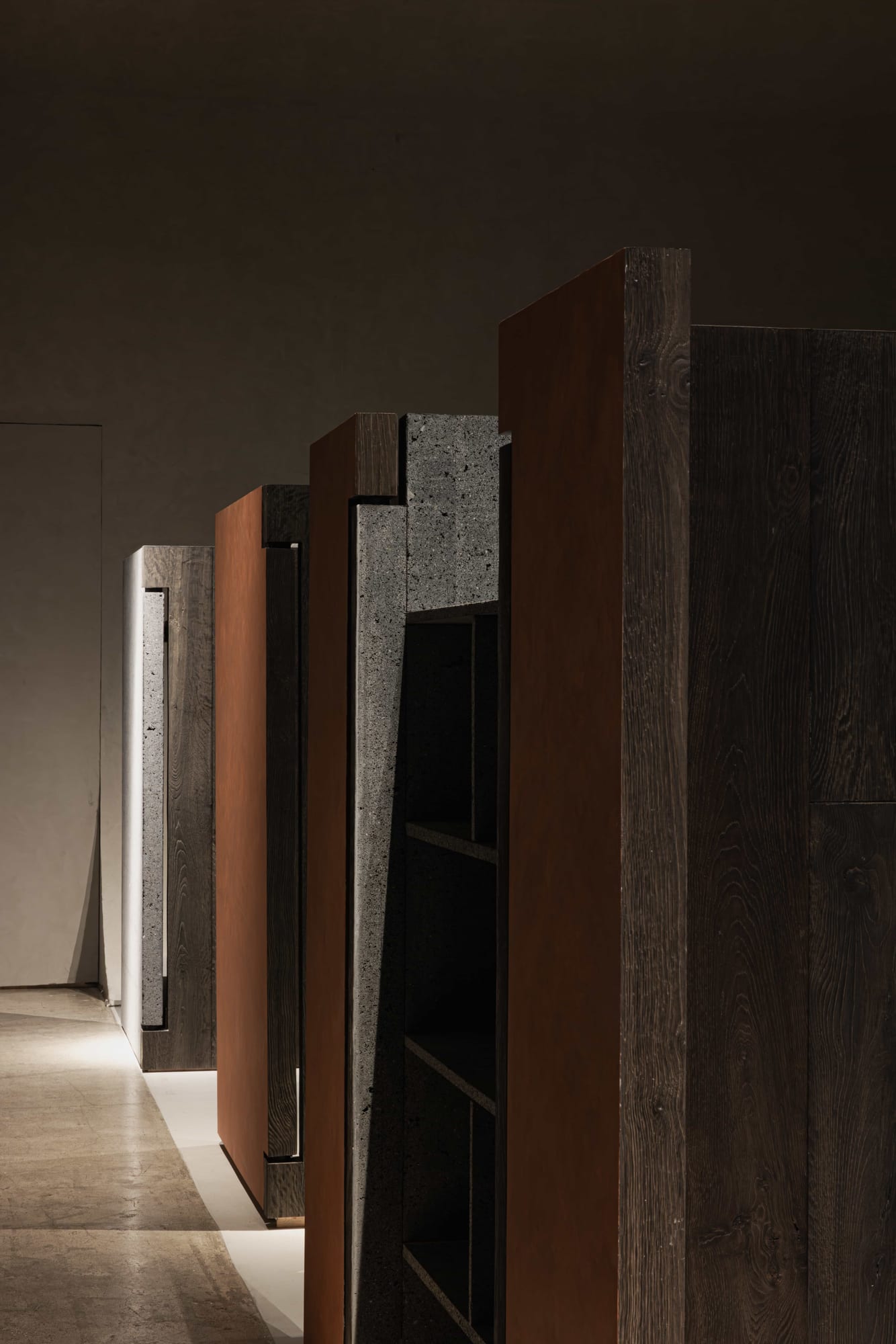
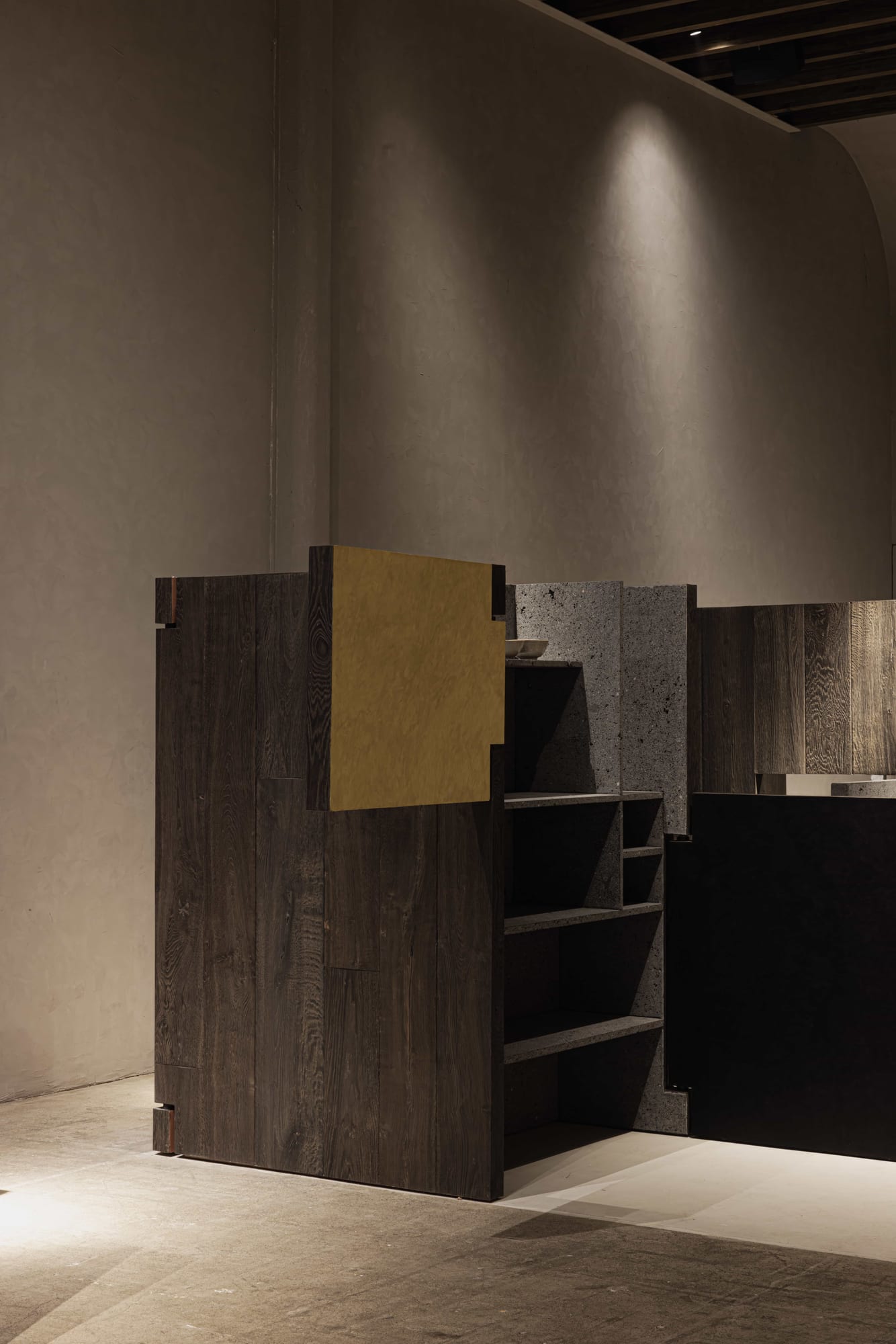
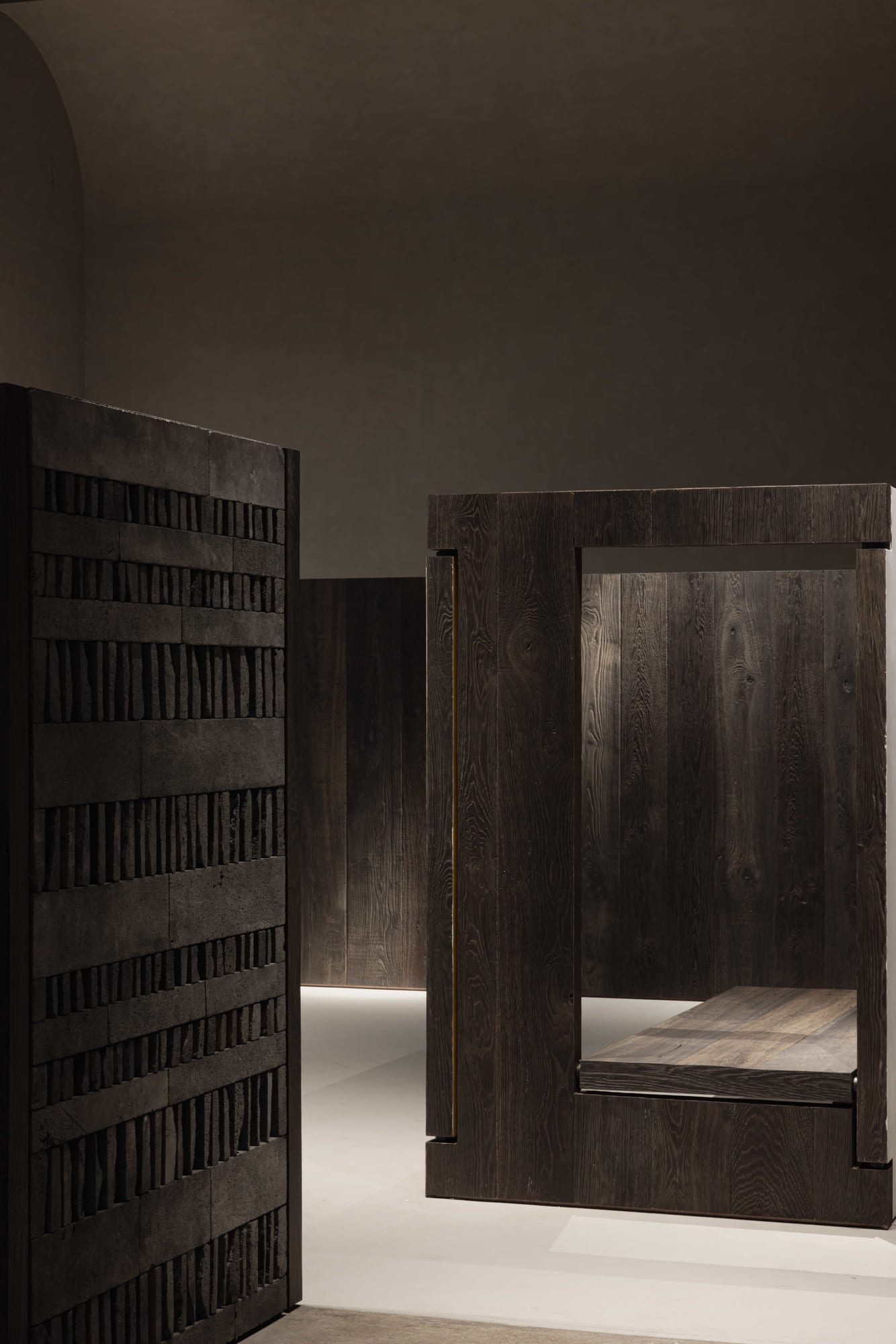
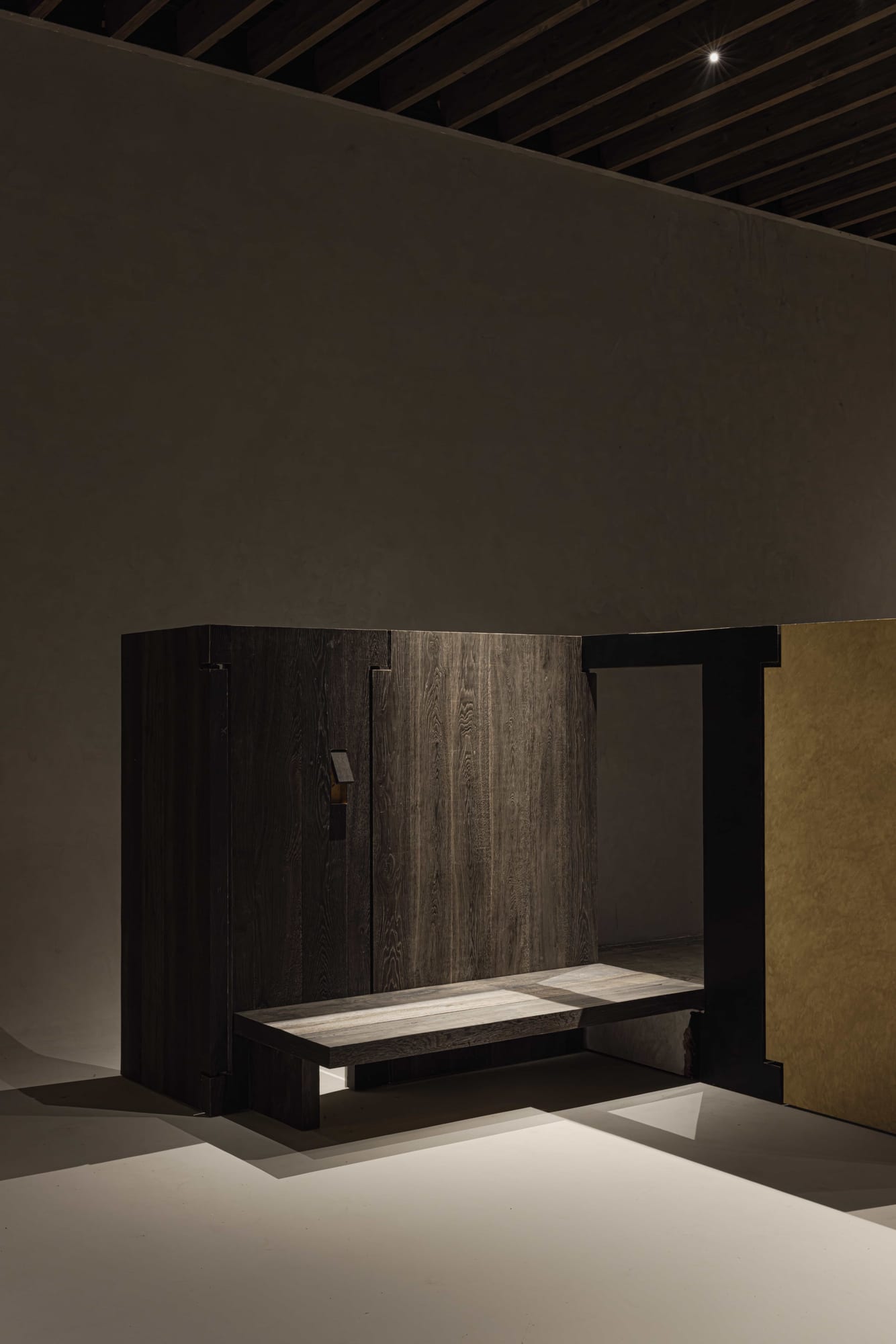
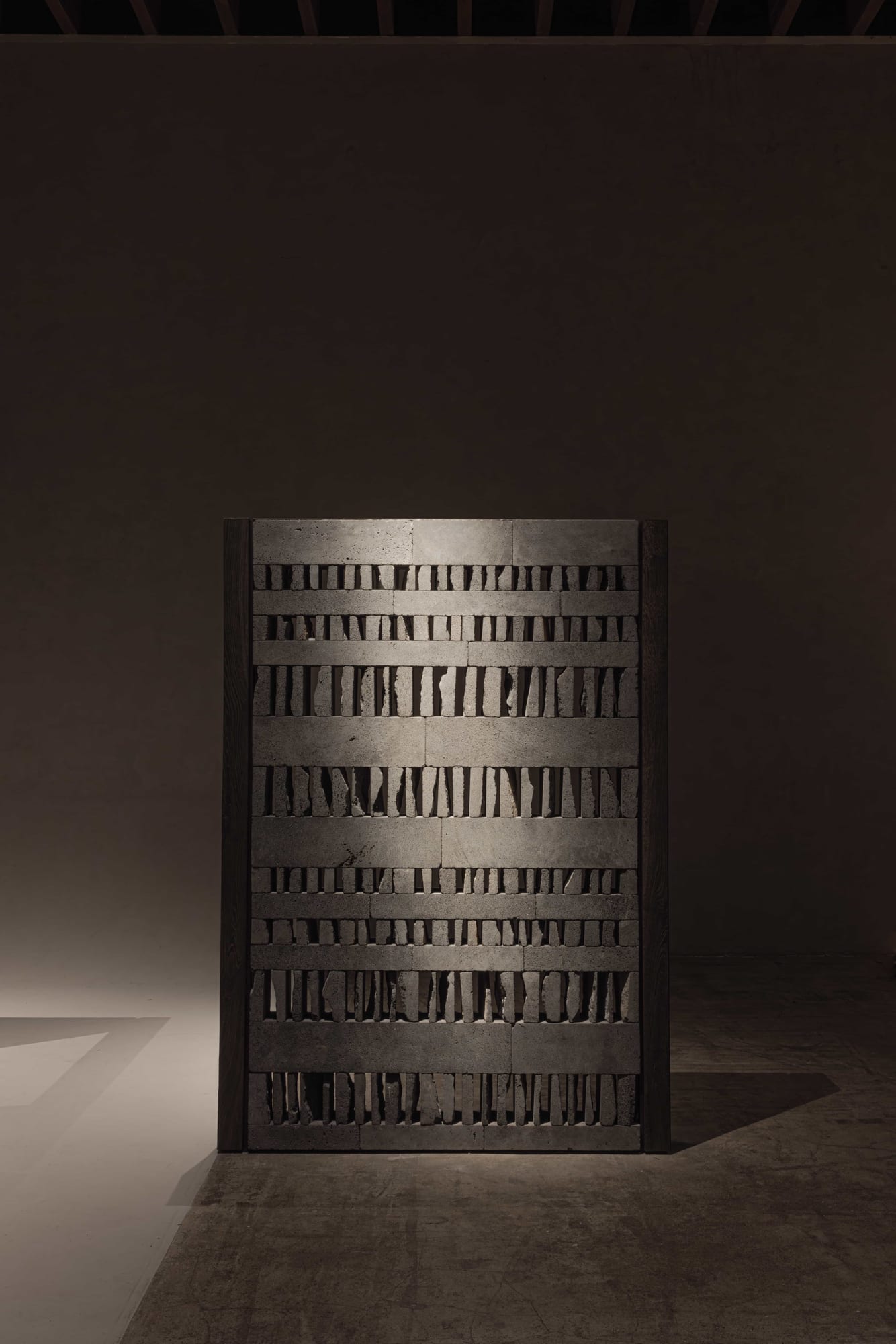
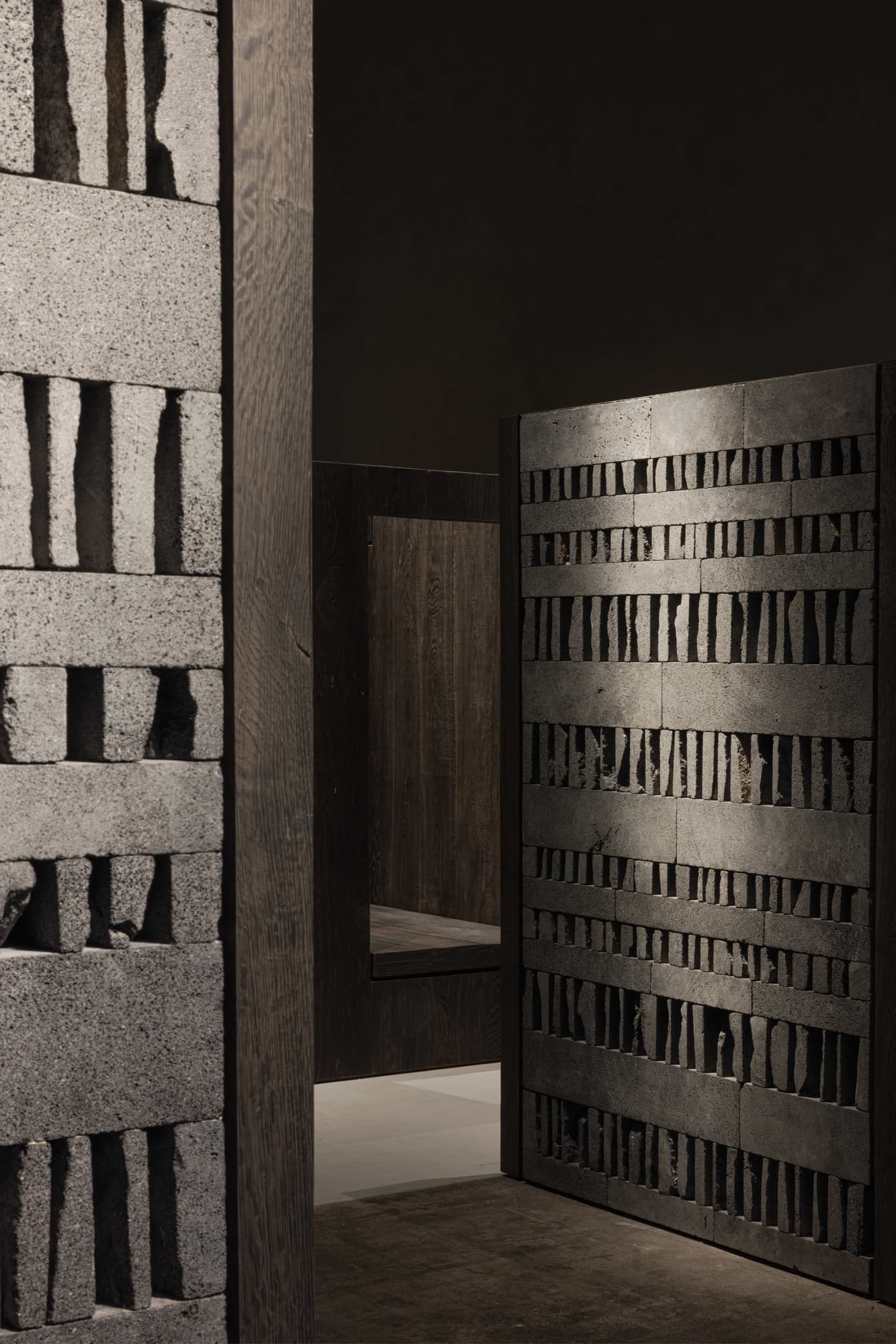
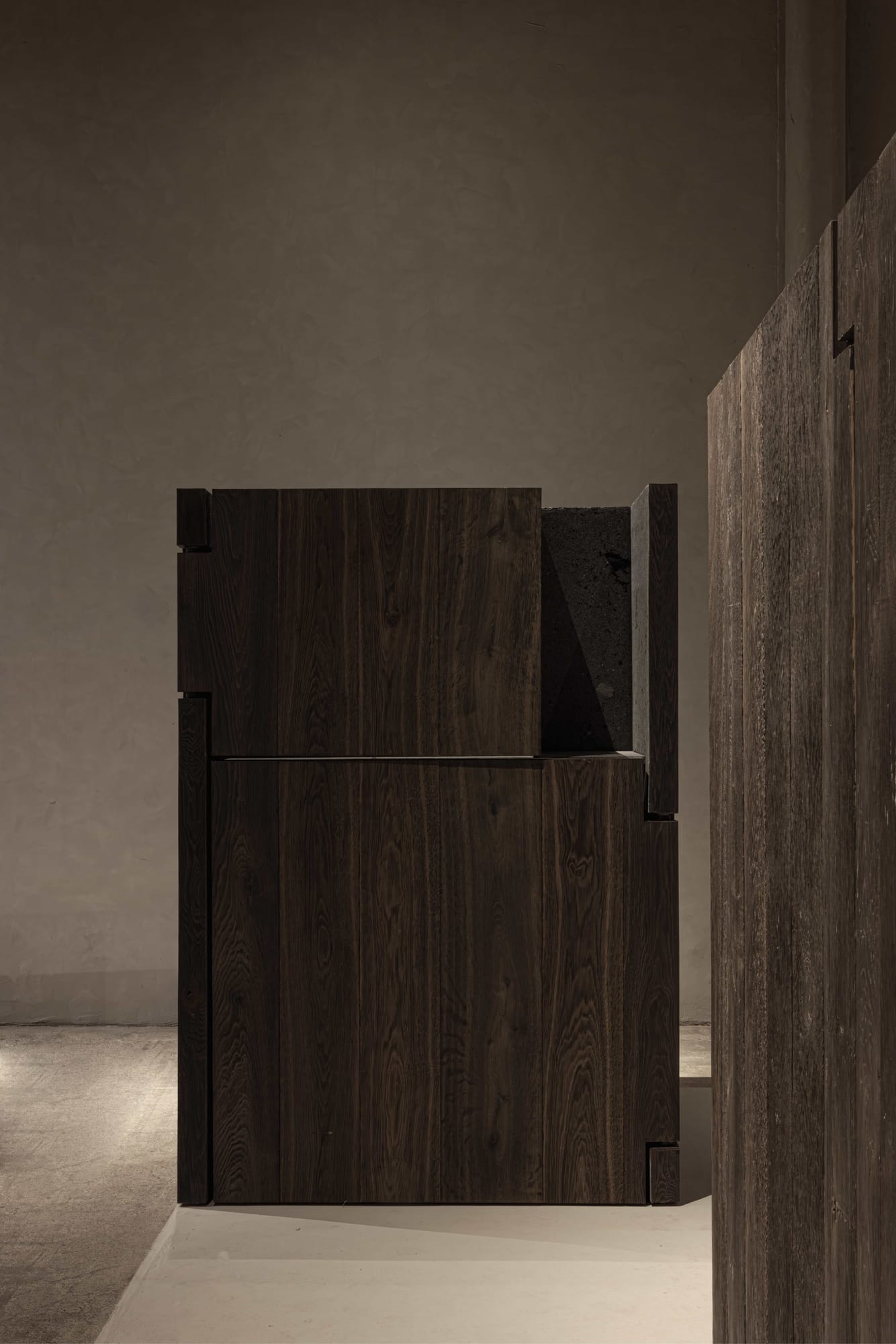
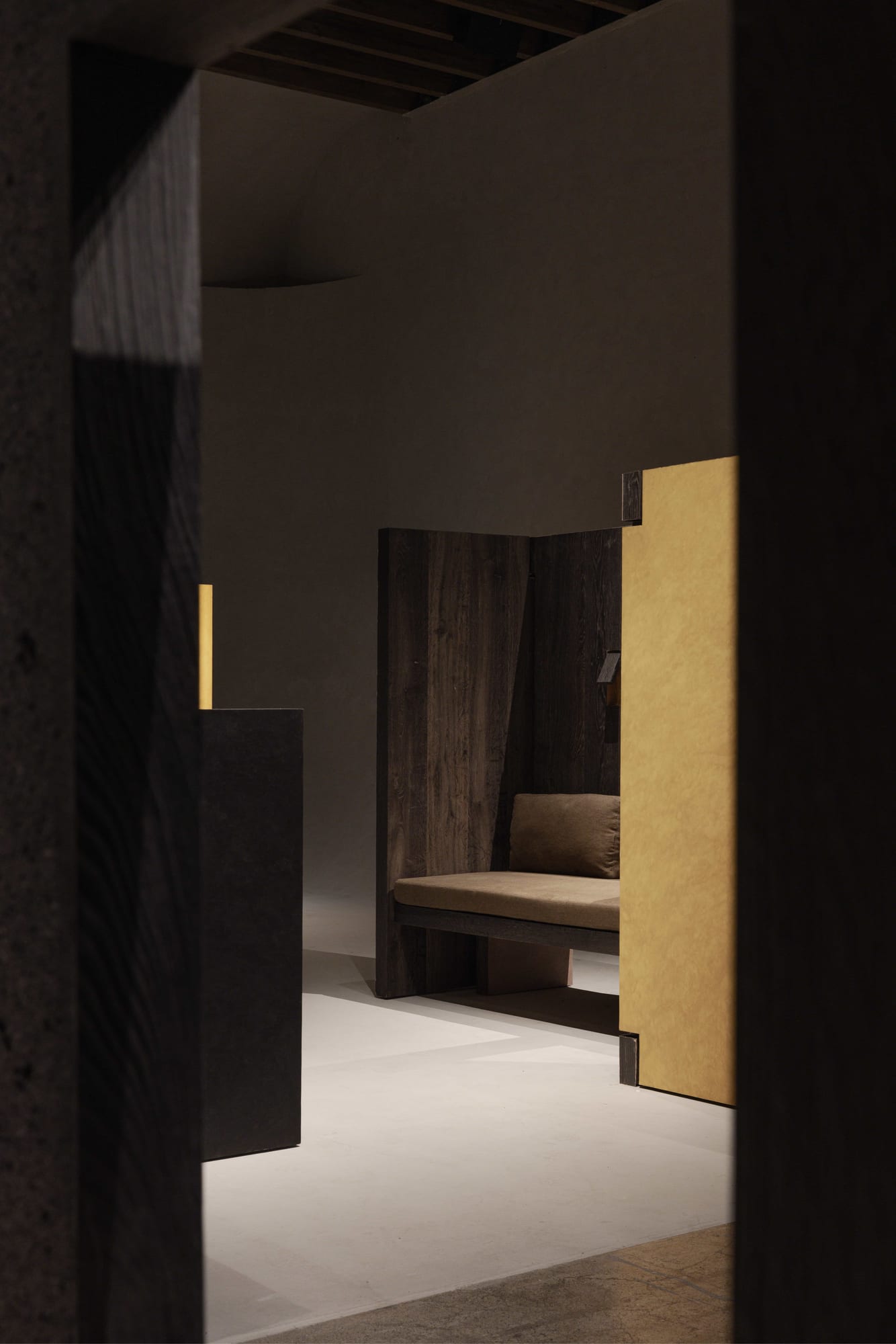
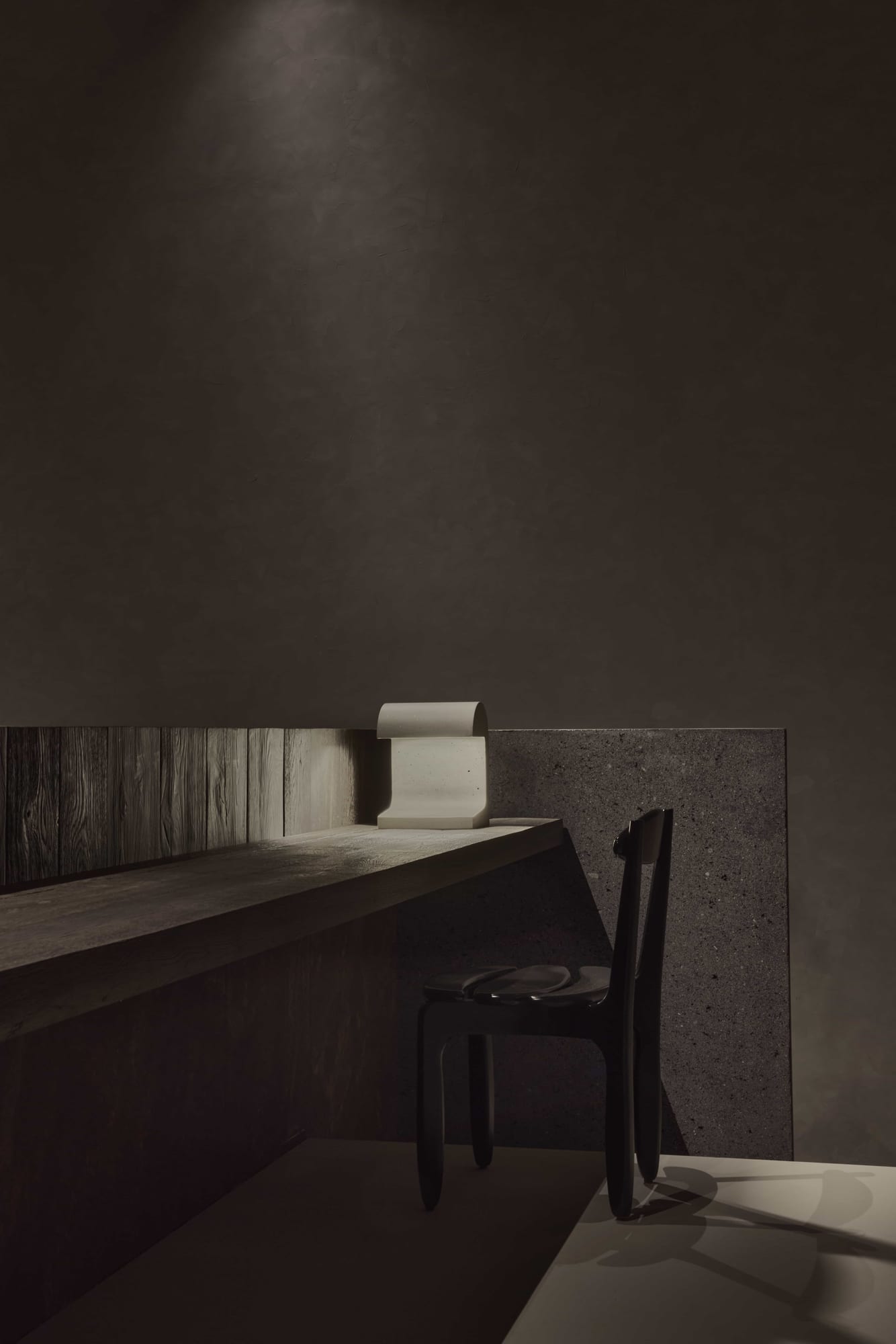
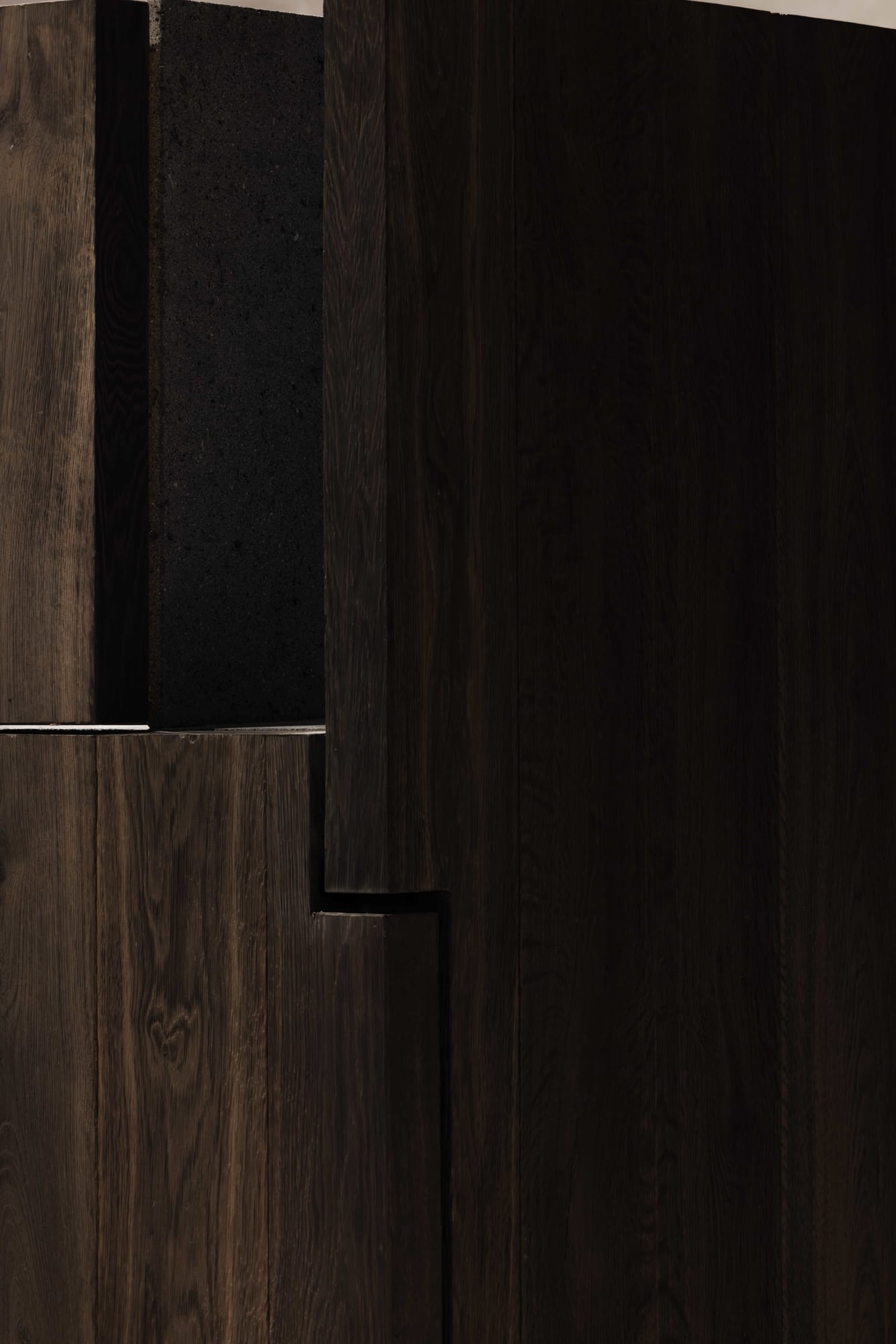
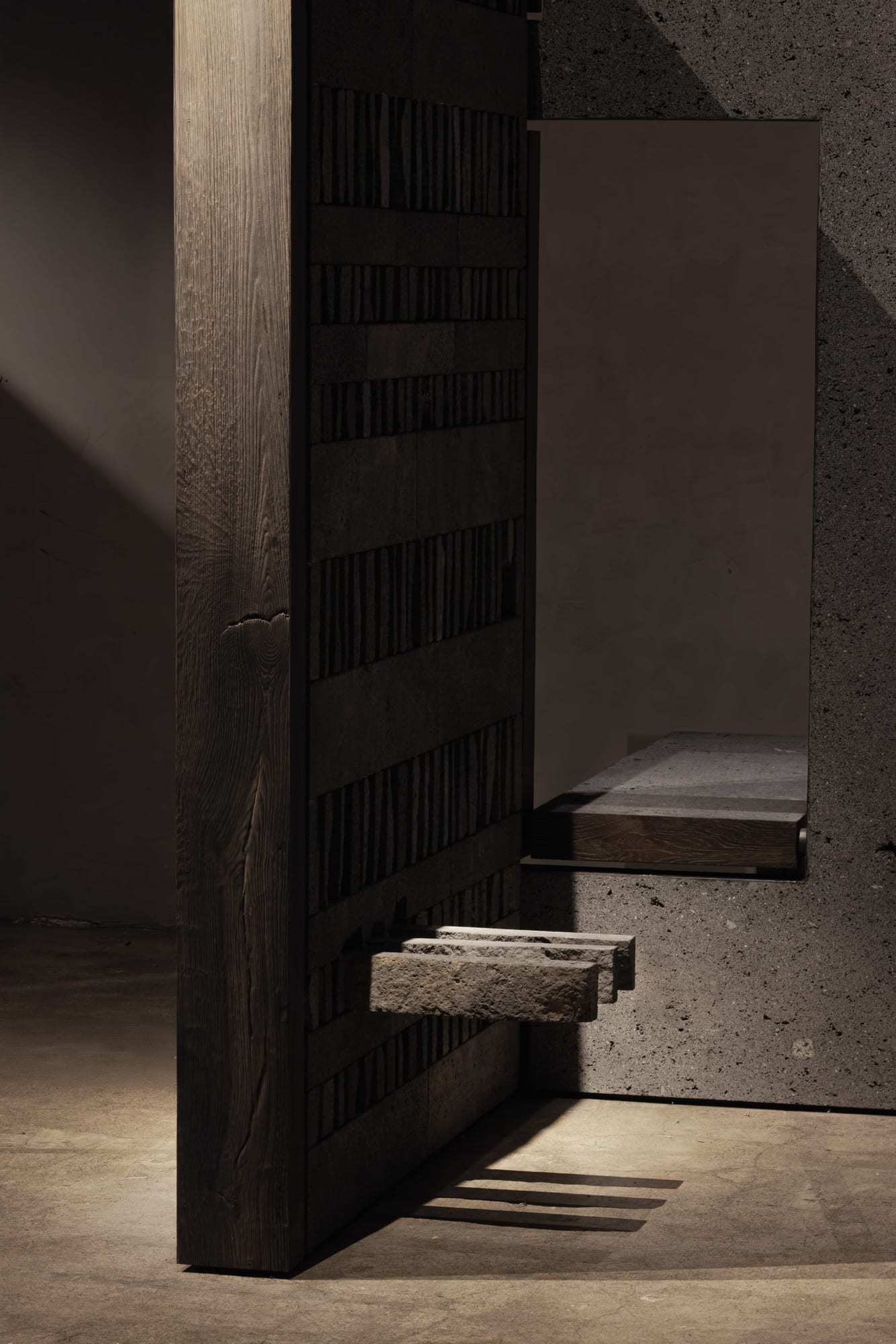
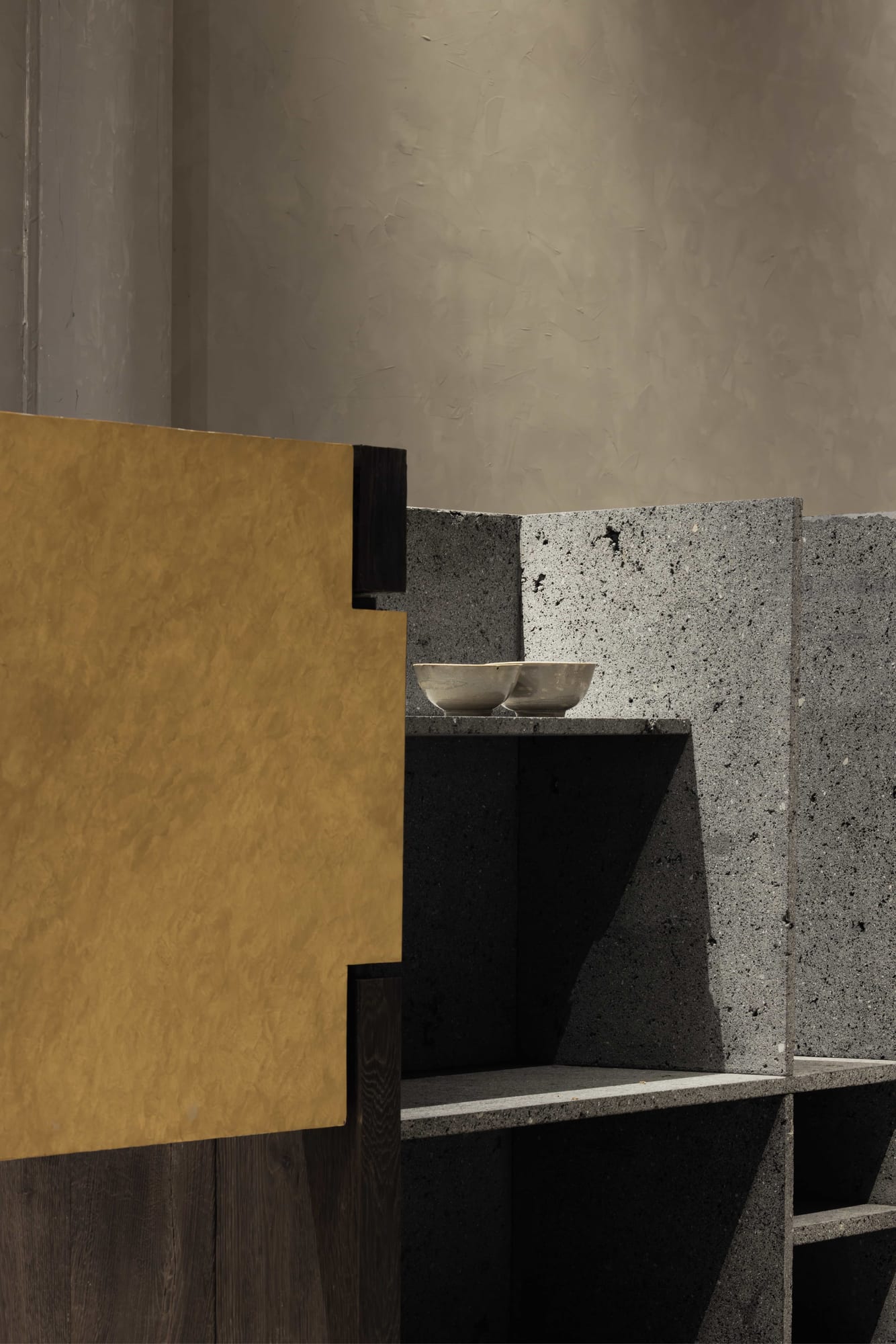
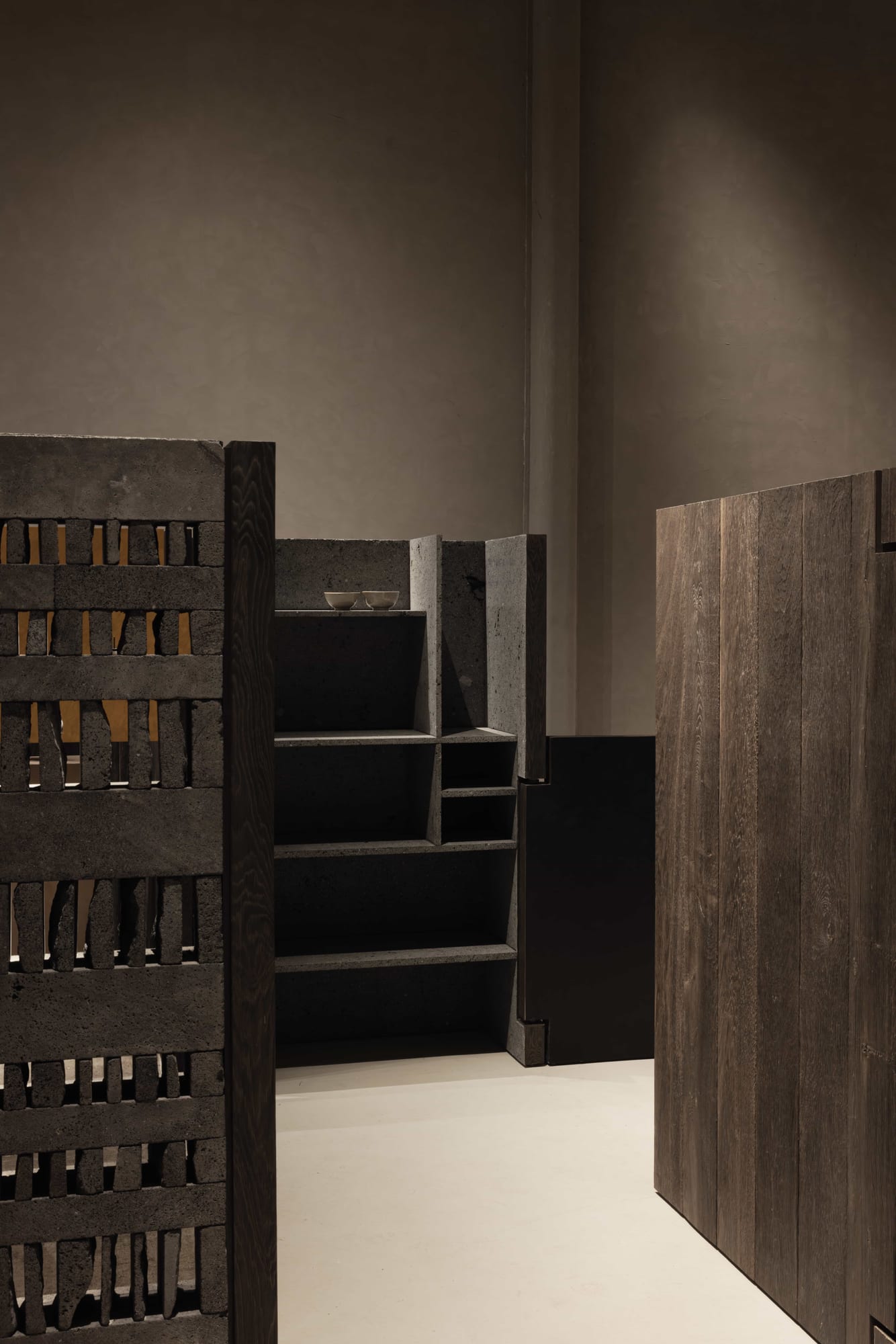
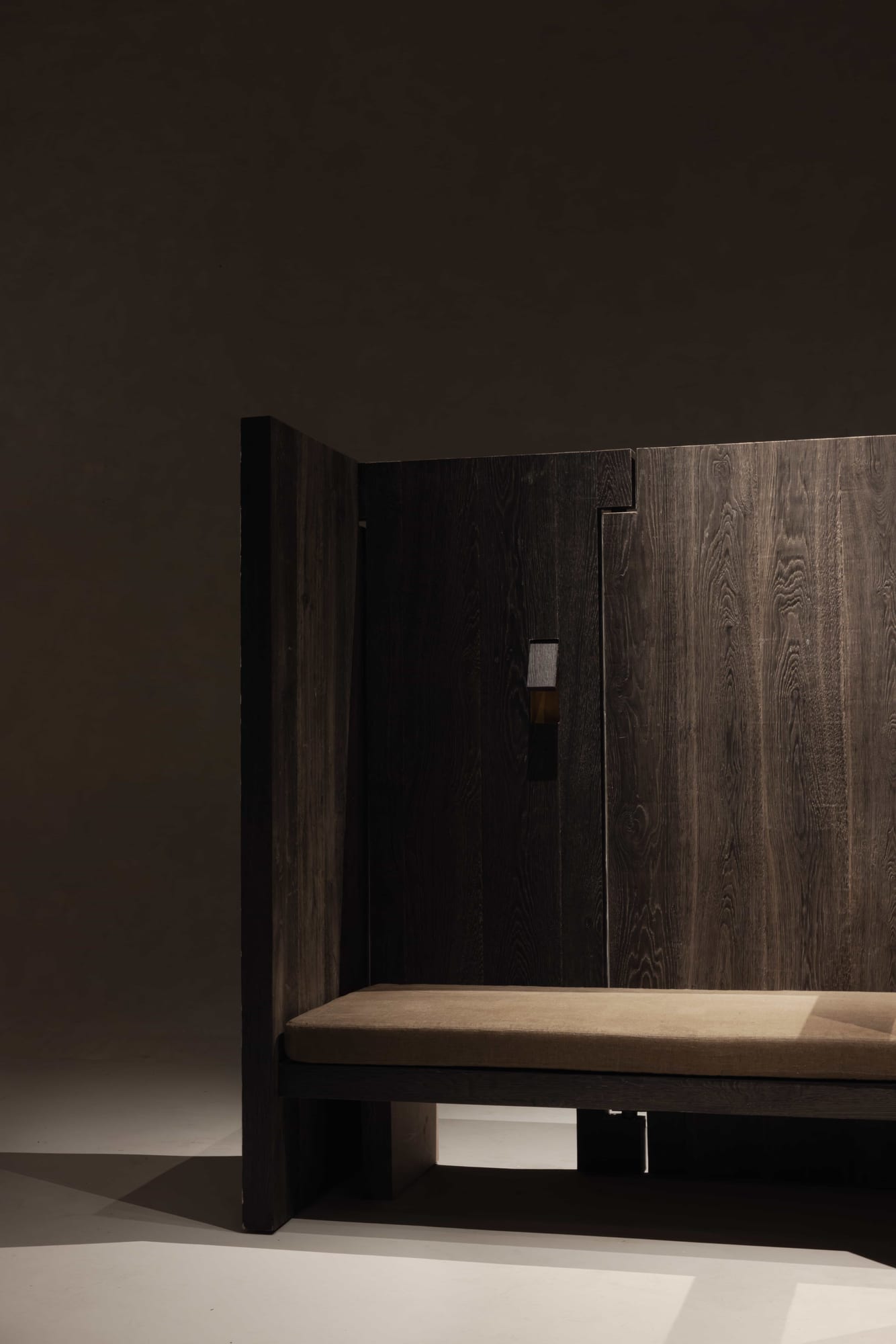
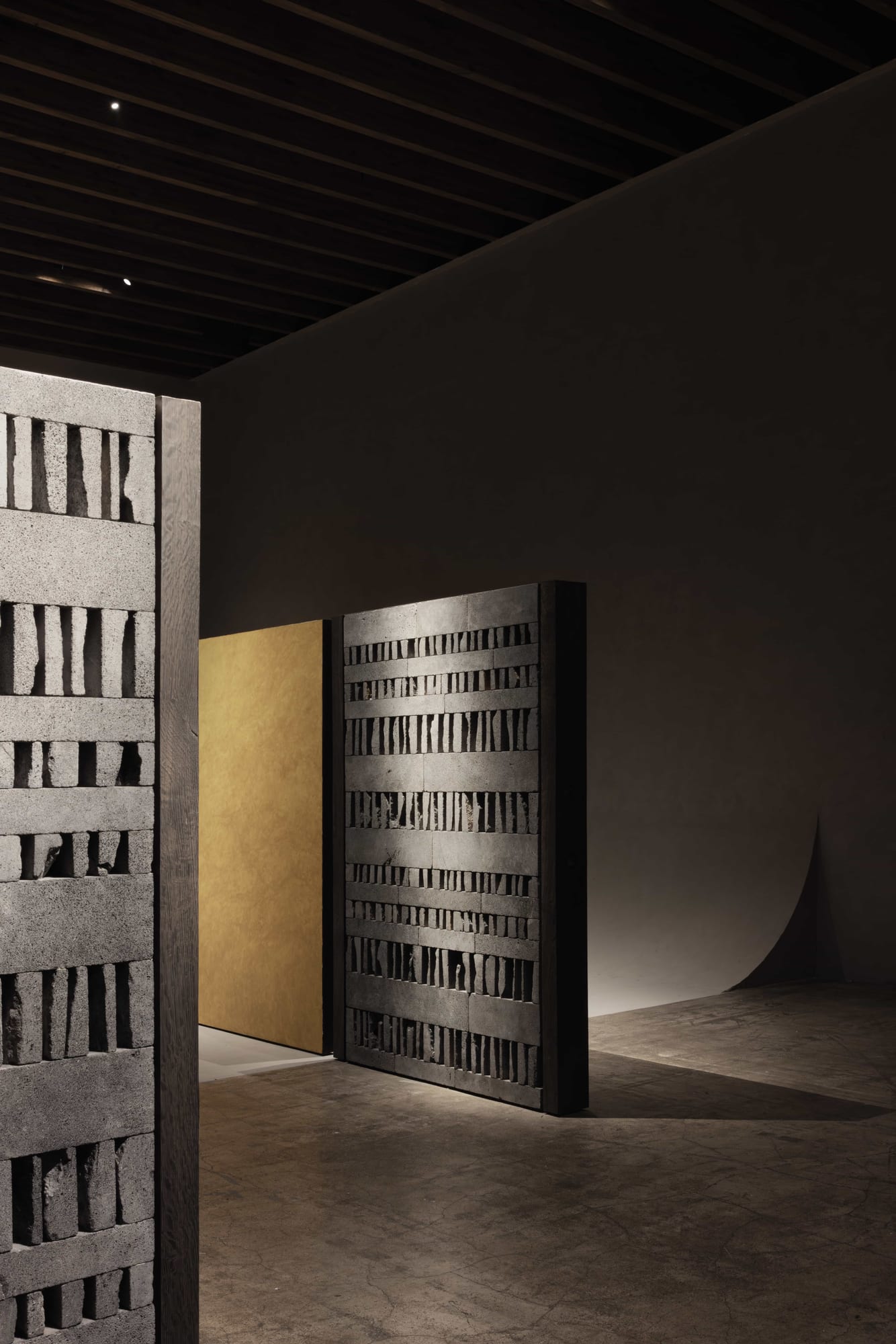
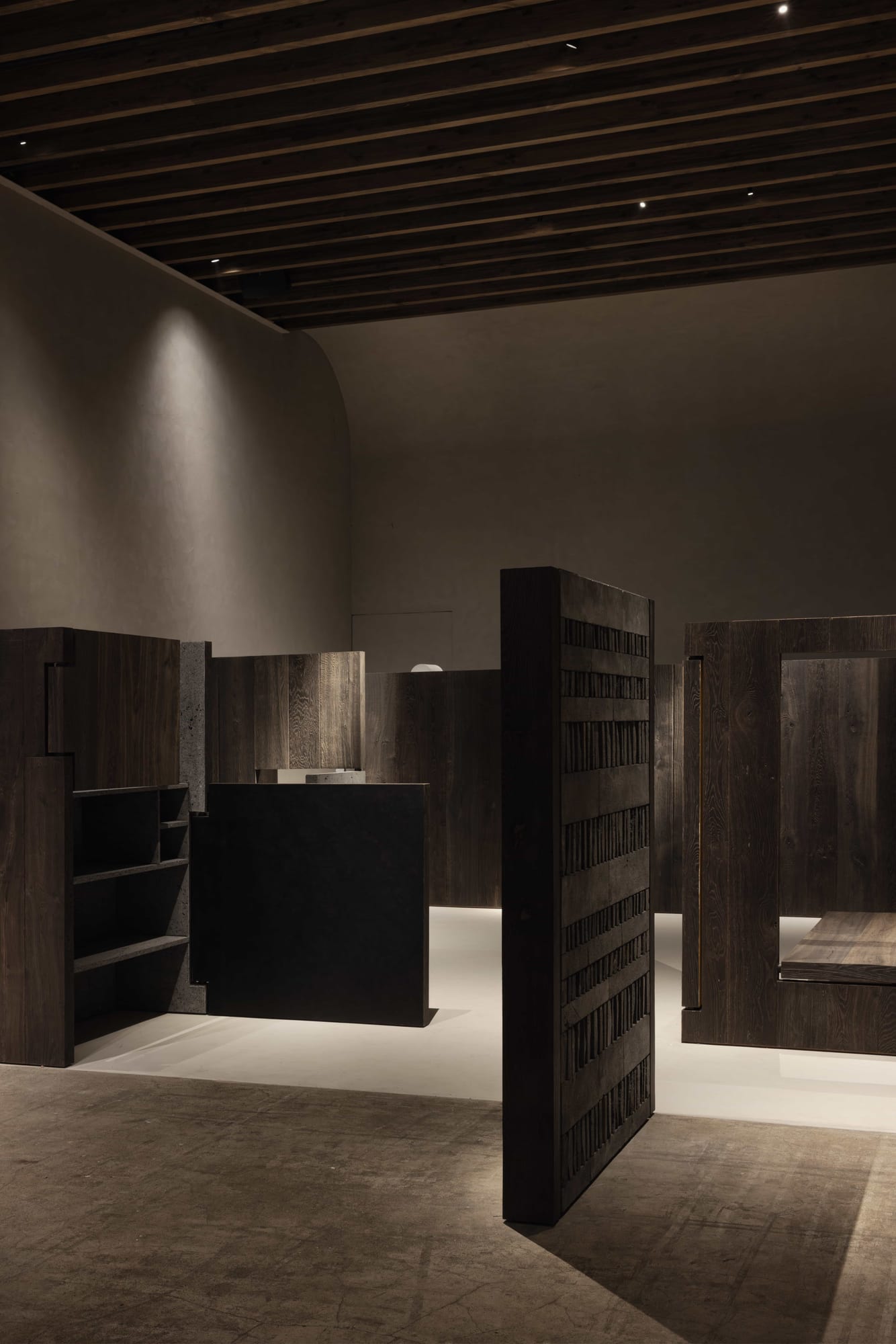
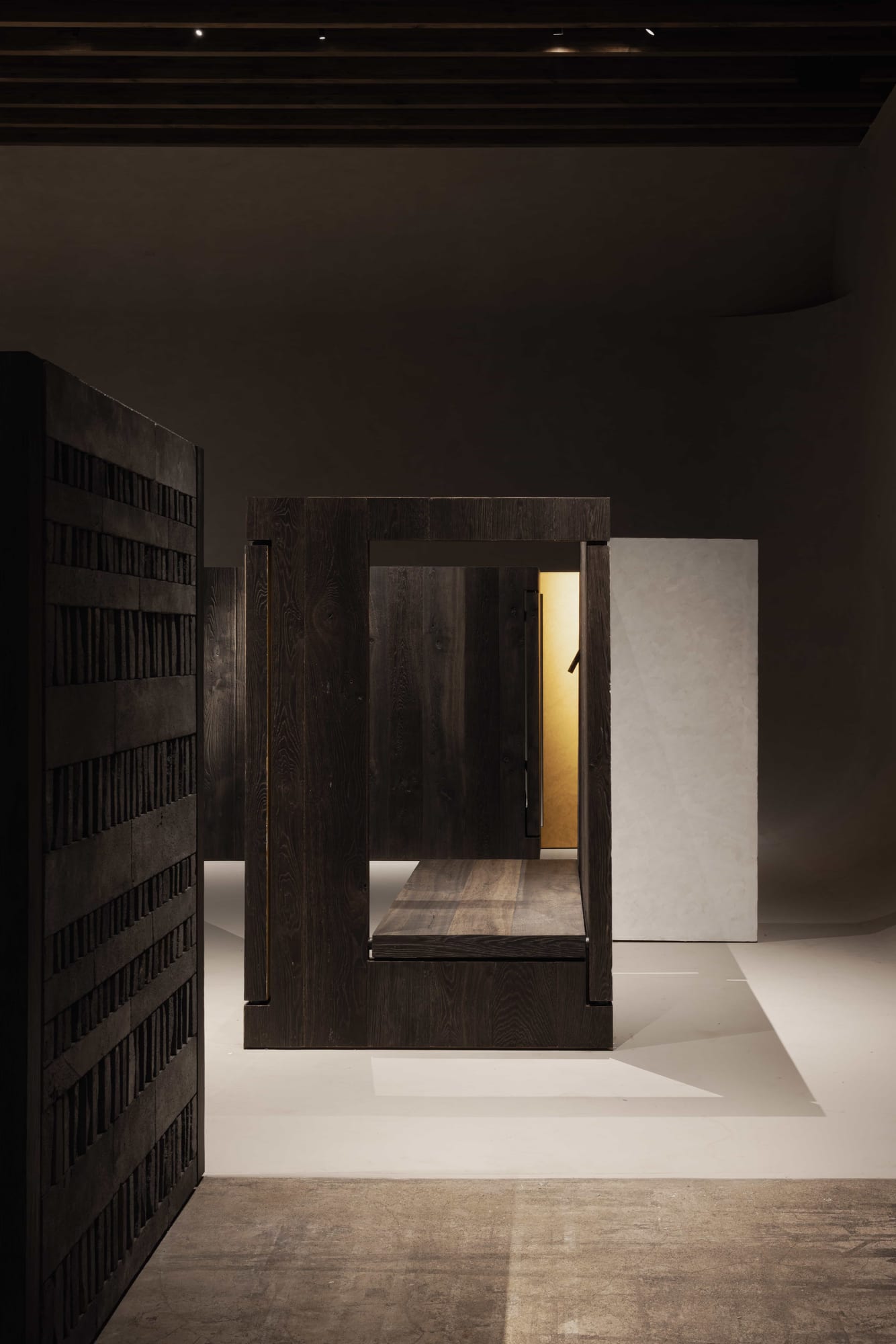
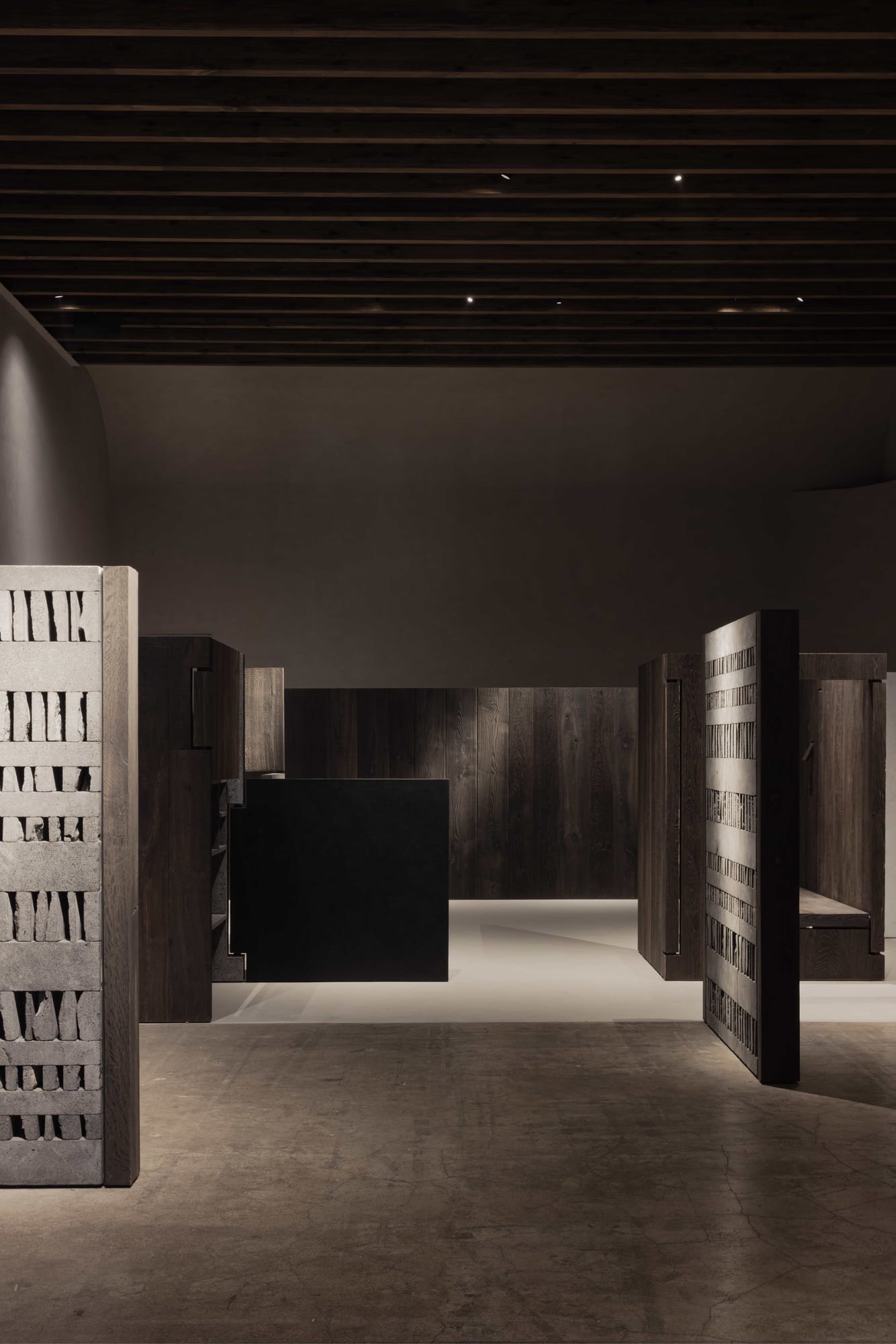
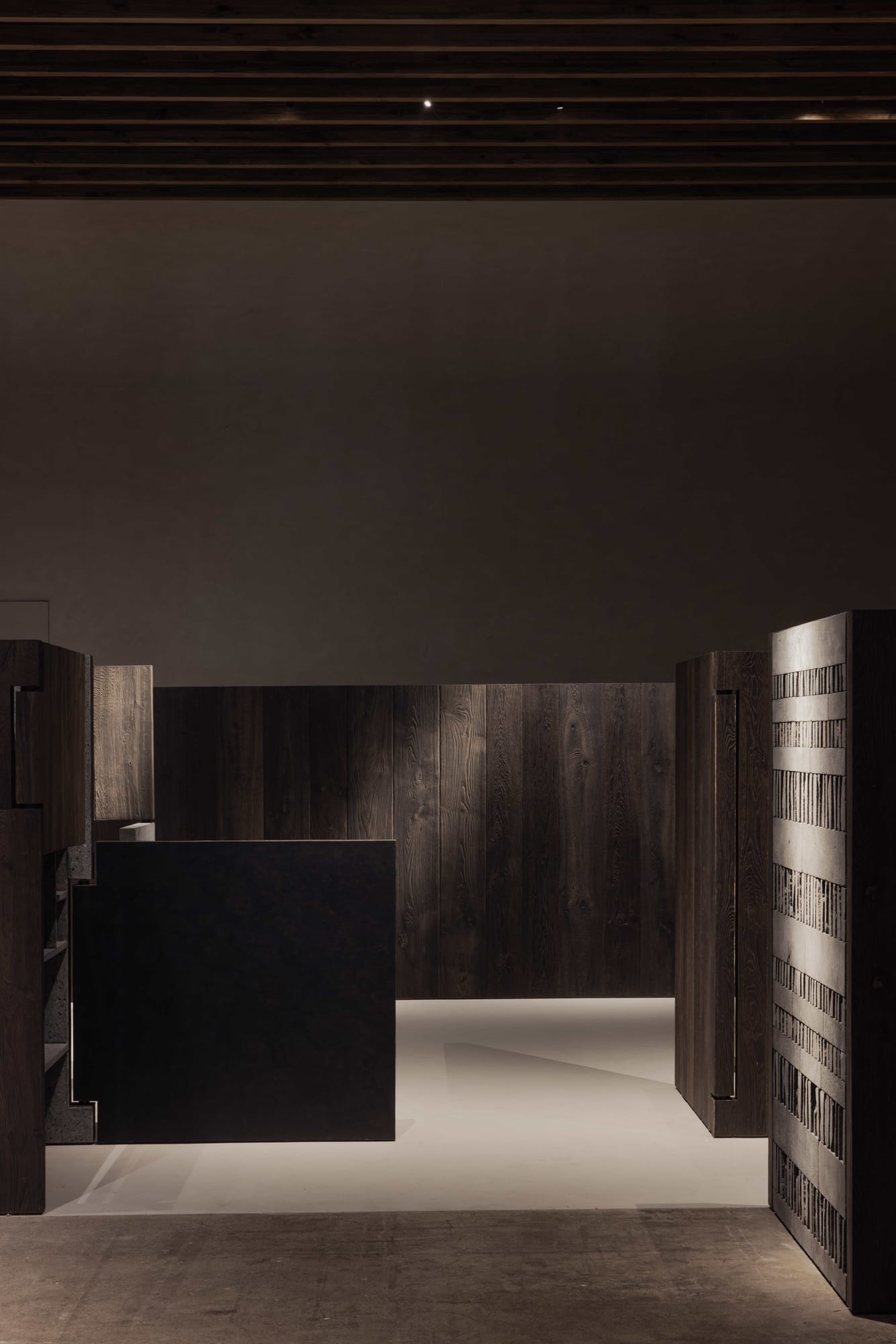
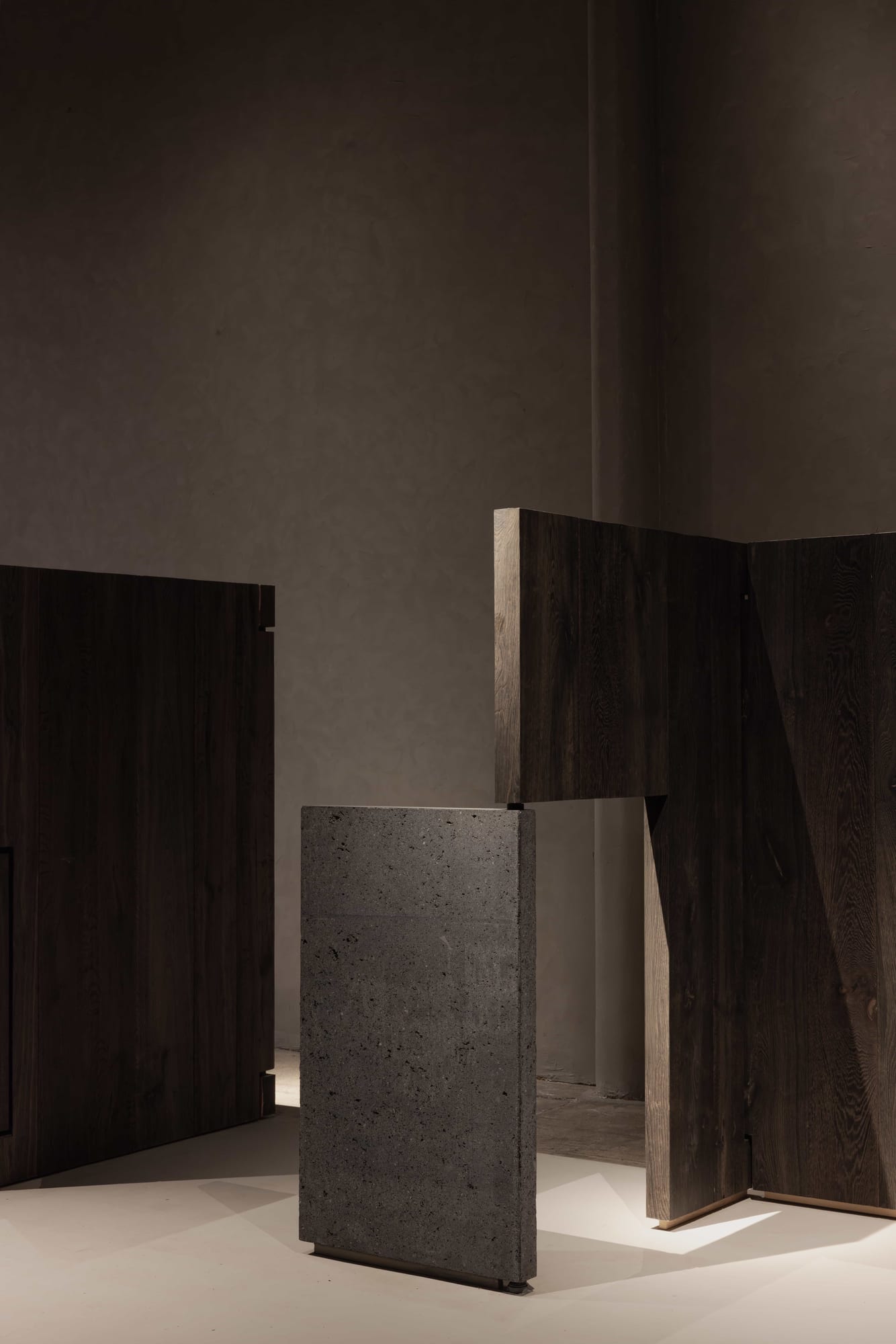
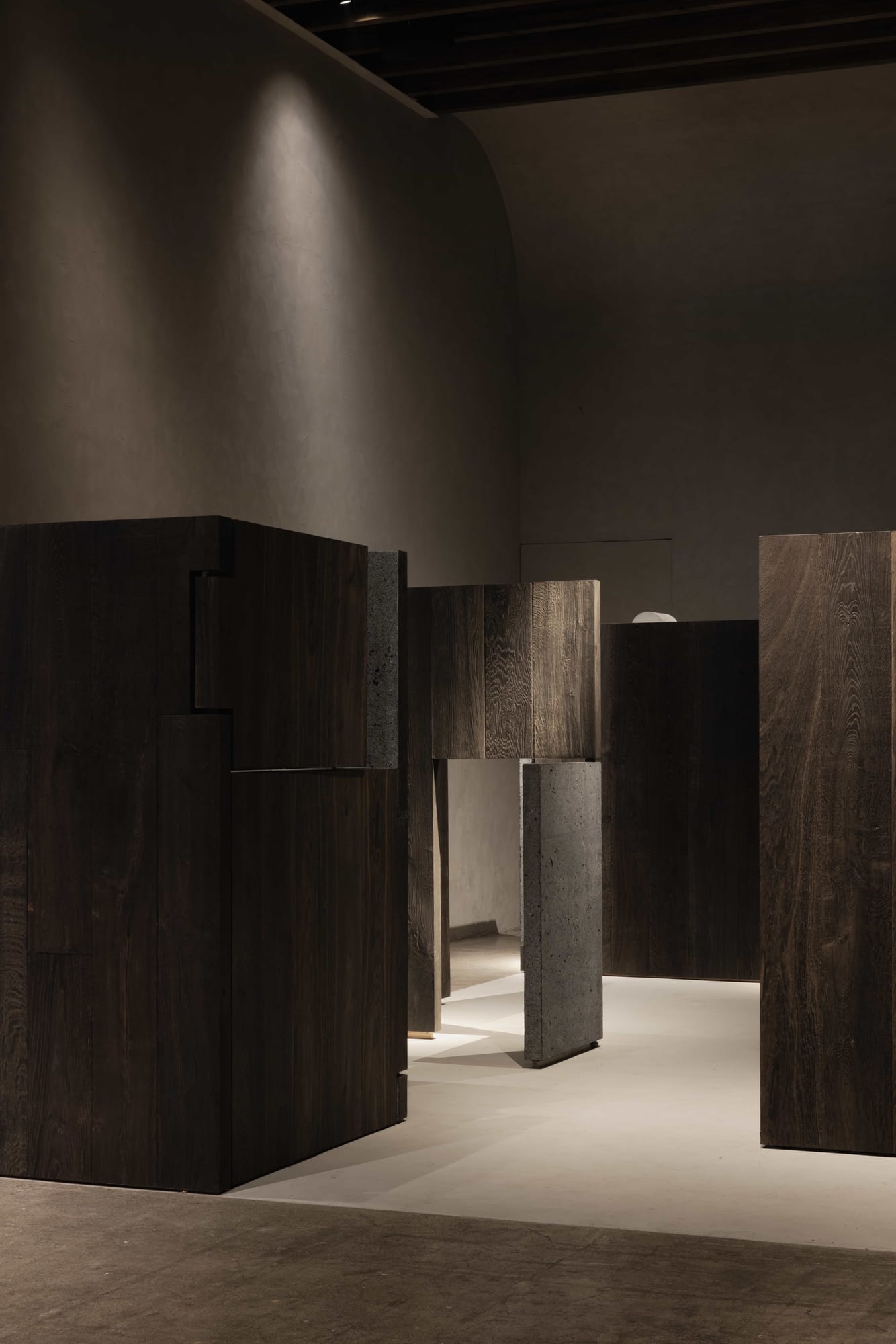
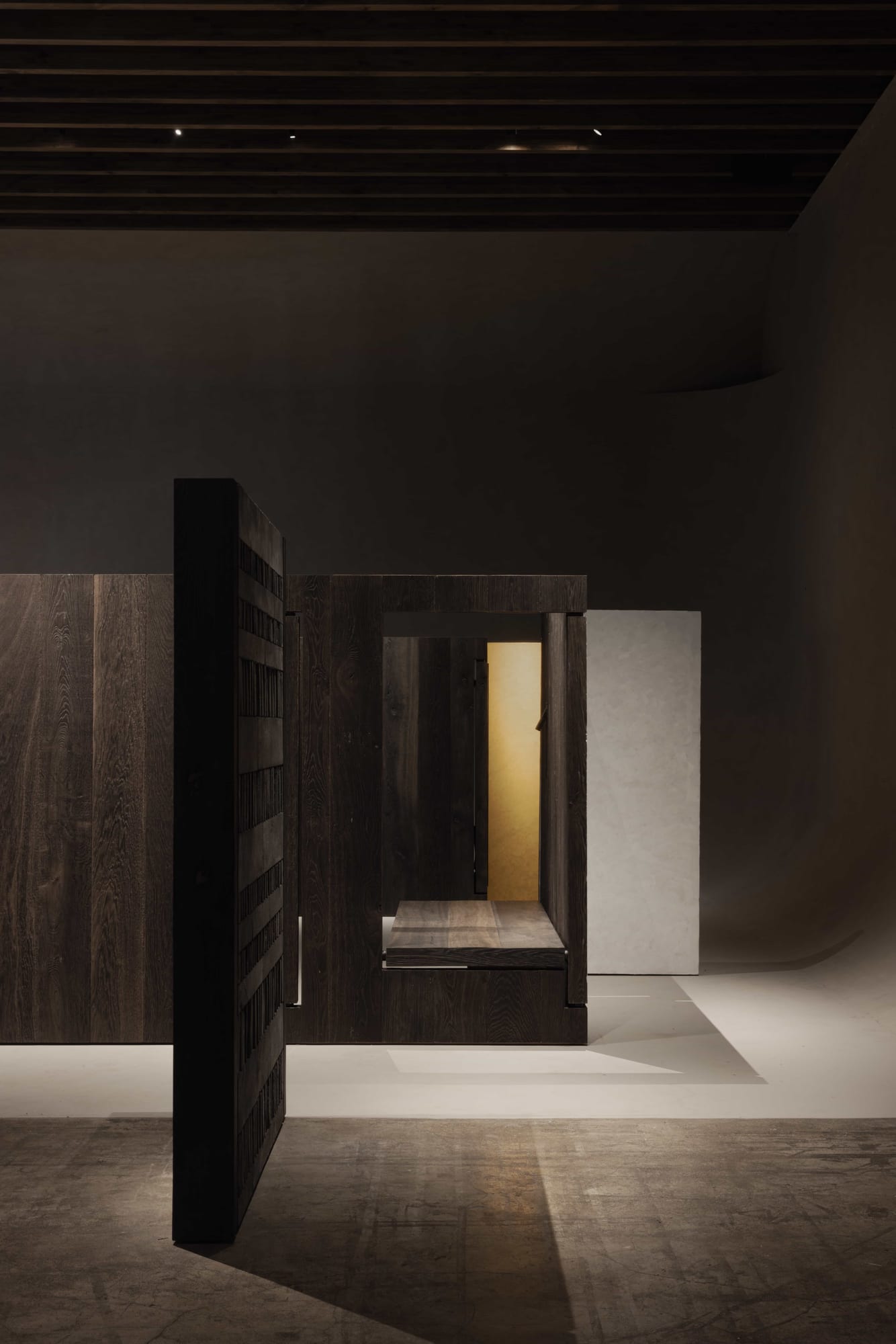
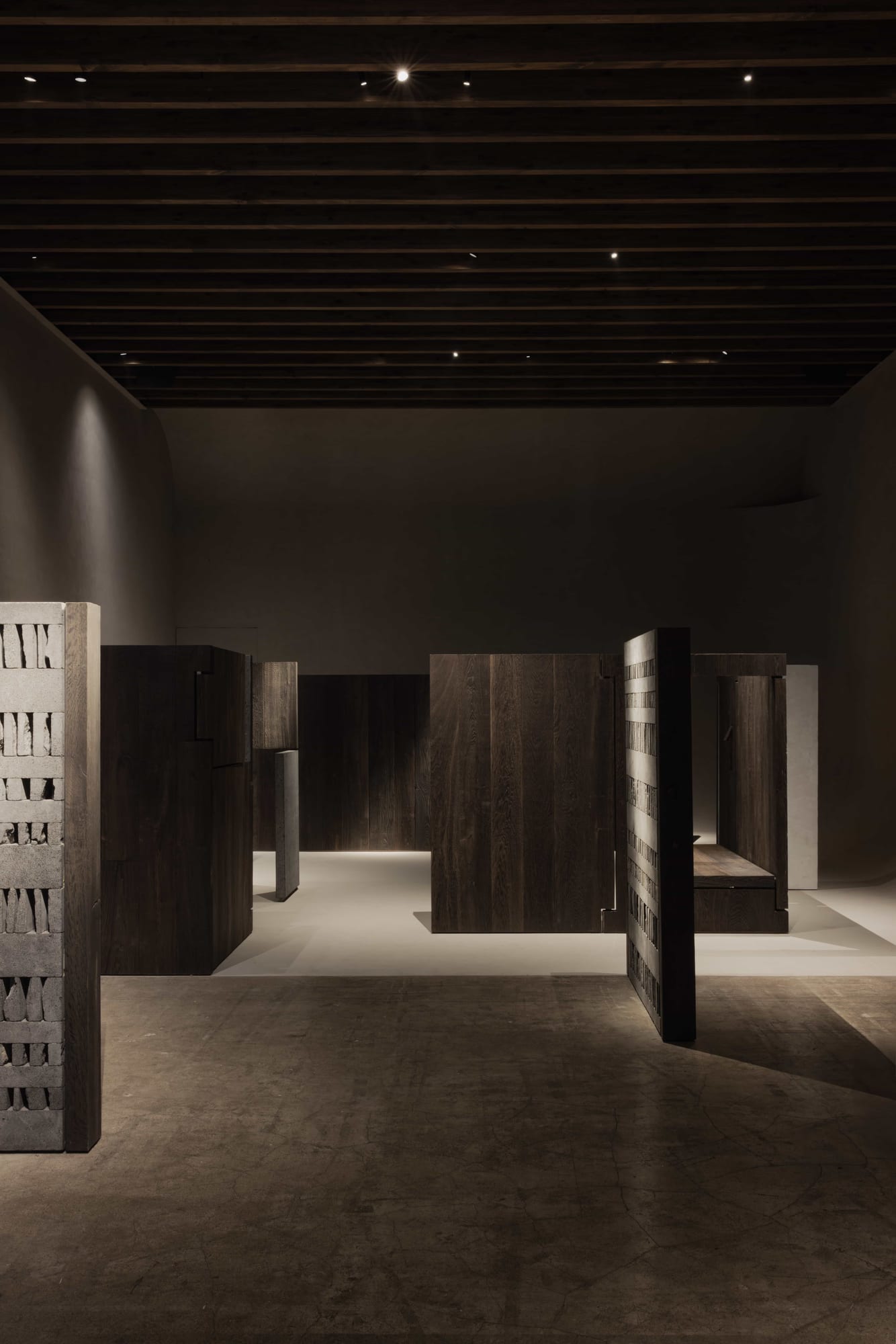
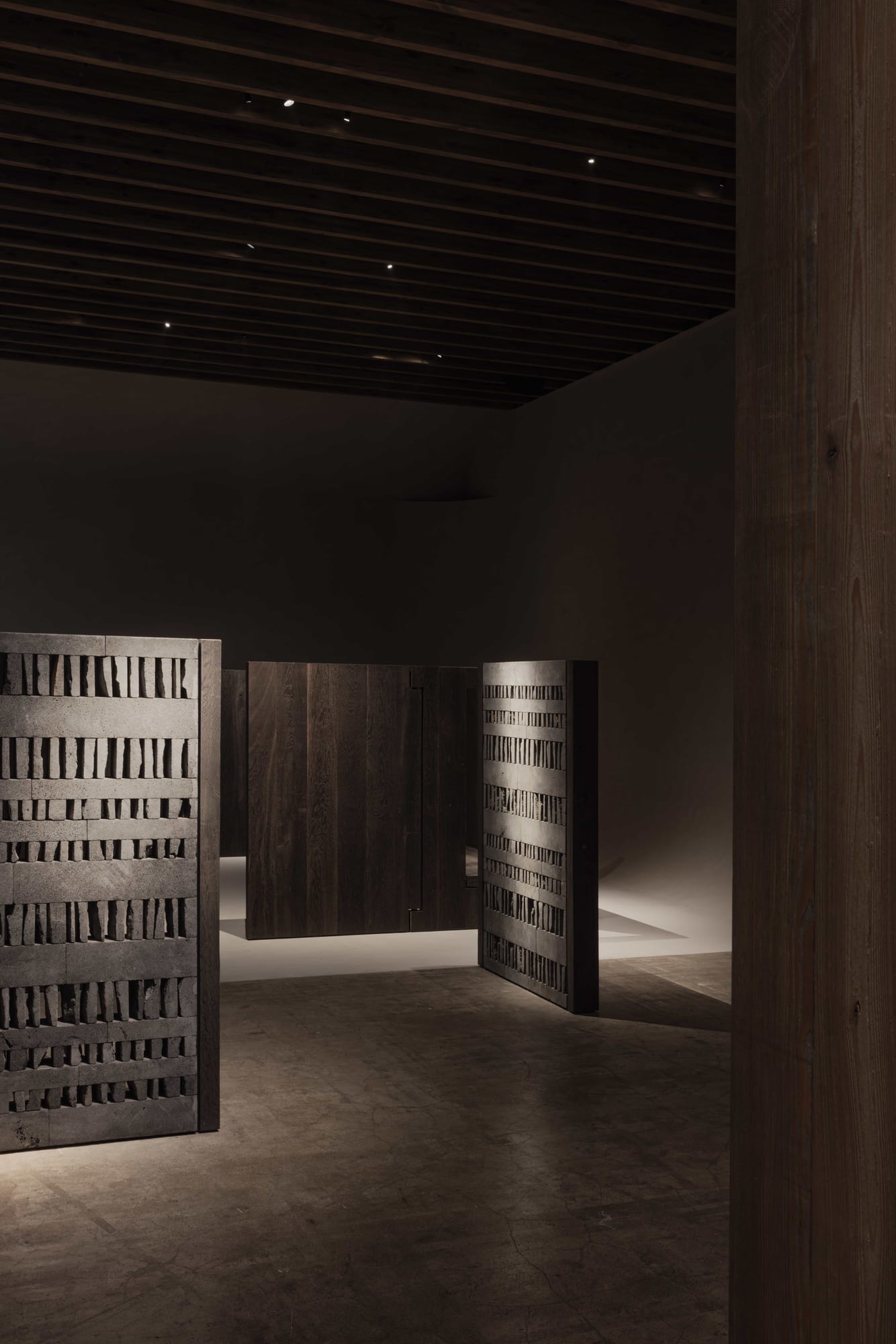
Enclave: a space that redefines its boundaries through the interaction of its elements, creating a place of continuous transformation and adaptation.
Enclave is an exploration of architecture within architecture—a series of spatial interventions that reveal how architectural elements inhabit, transform, and articulate the spaces they occupy. As a continuation of the long-standing collaboration between Habitación 116 and Estudio Manuel Cervantes, this project arises from over 15 years of shared work into the relationships between architecture, furniture, and spatial flexibility. Together, they present a system of mobile structures that rethink how architecture divides, organizes, and activates domestic spaces.
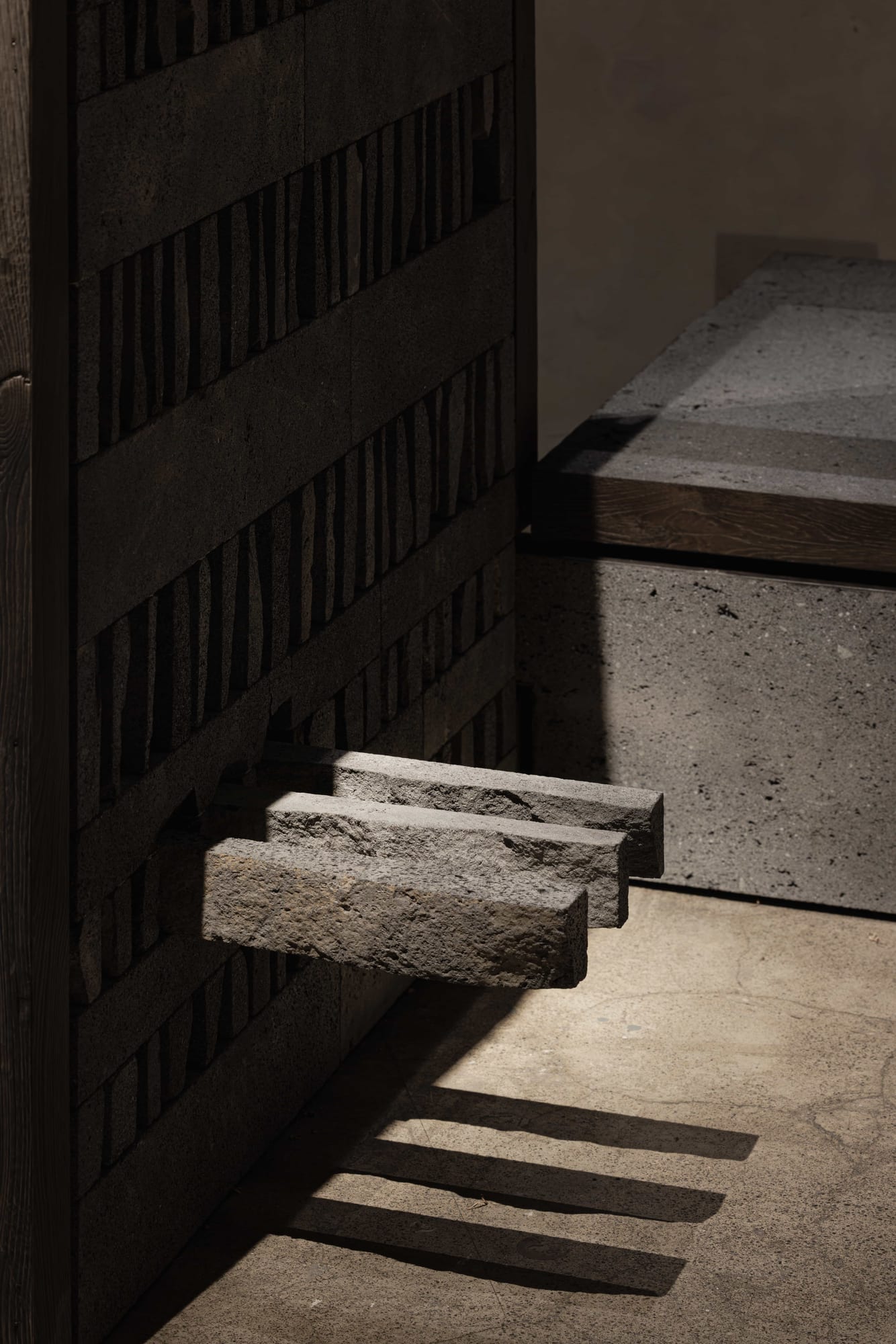
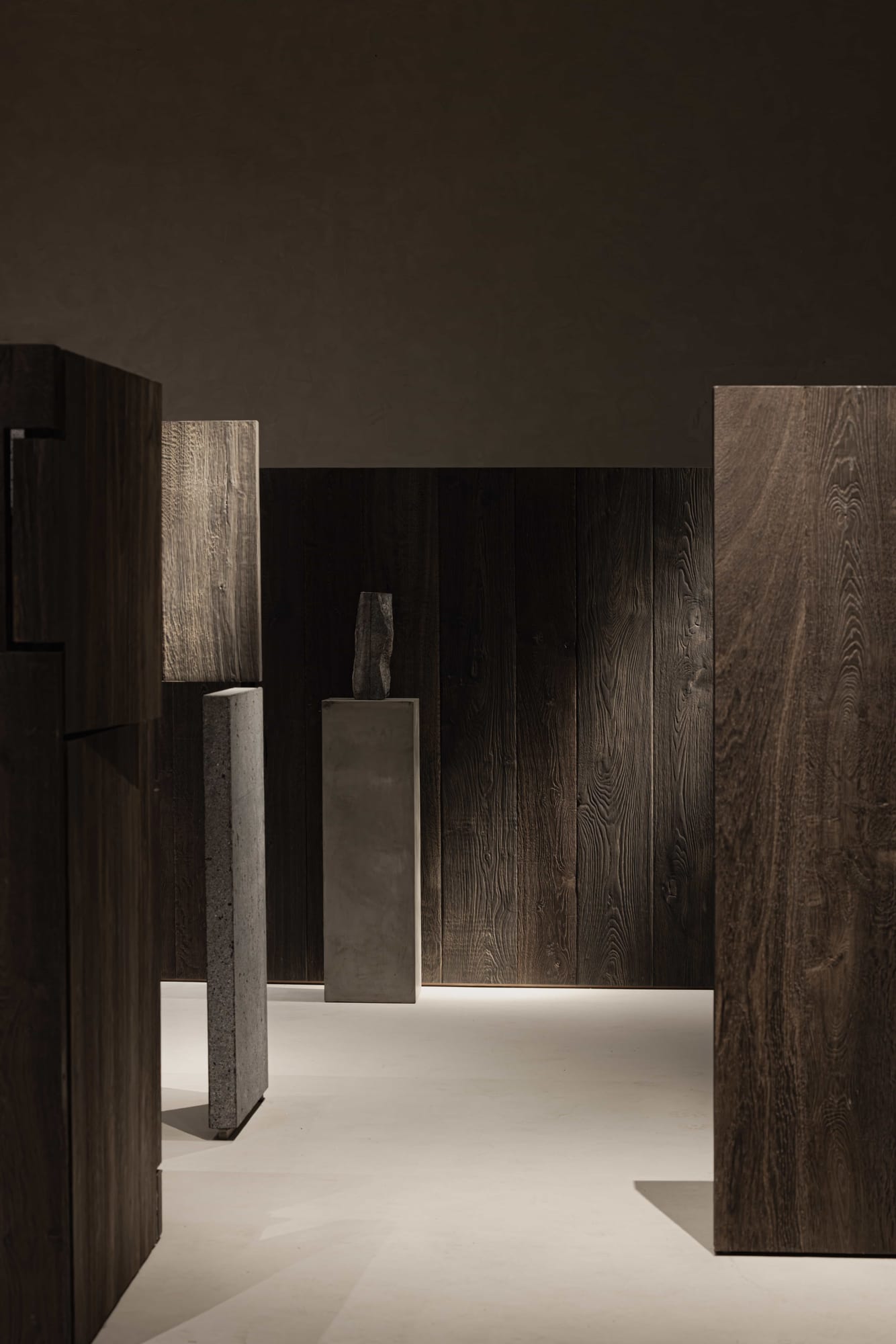
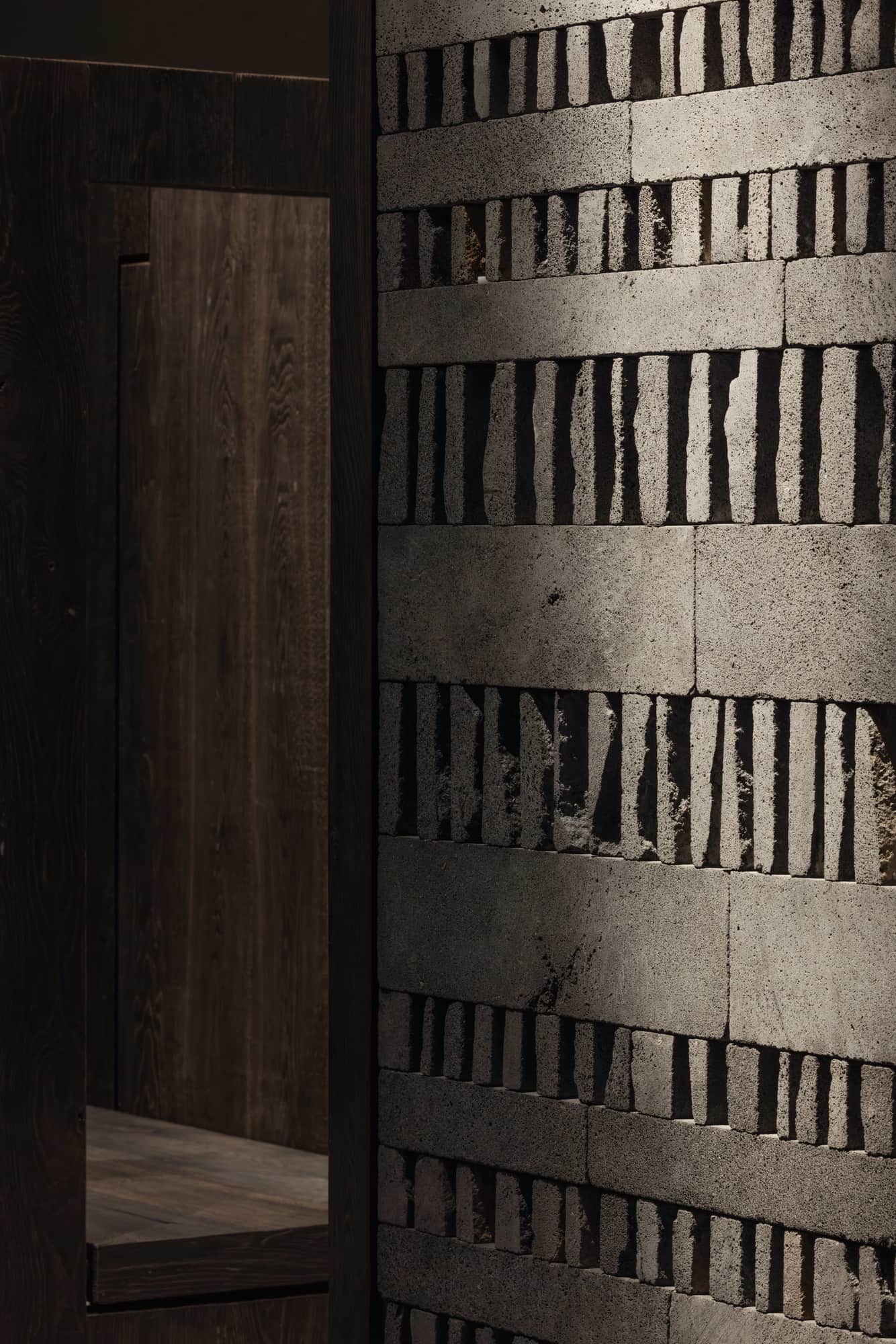
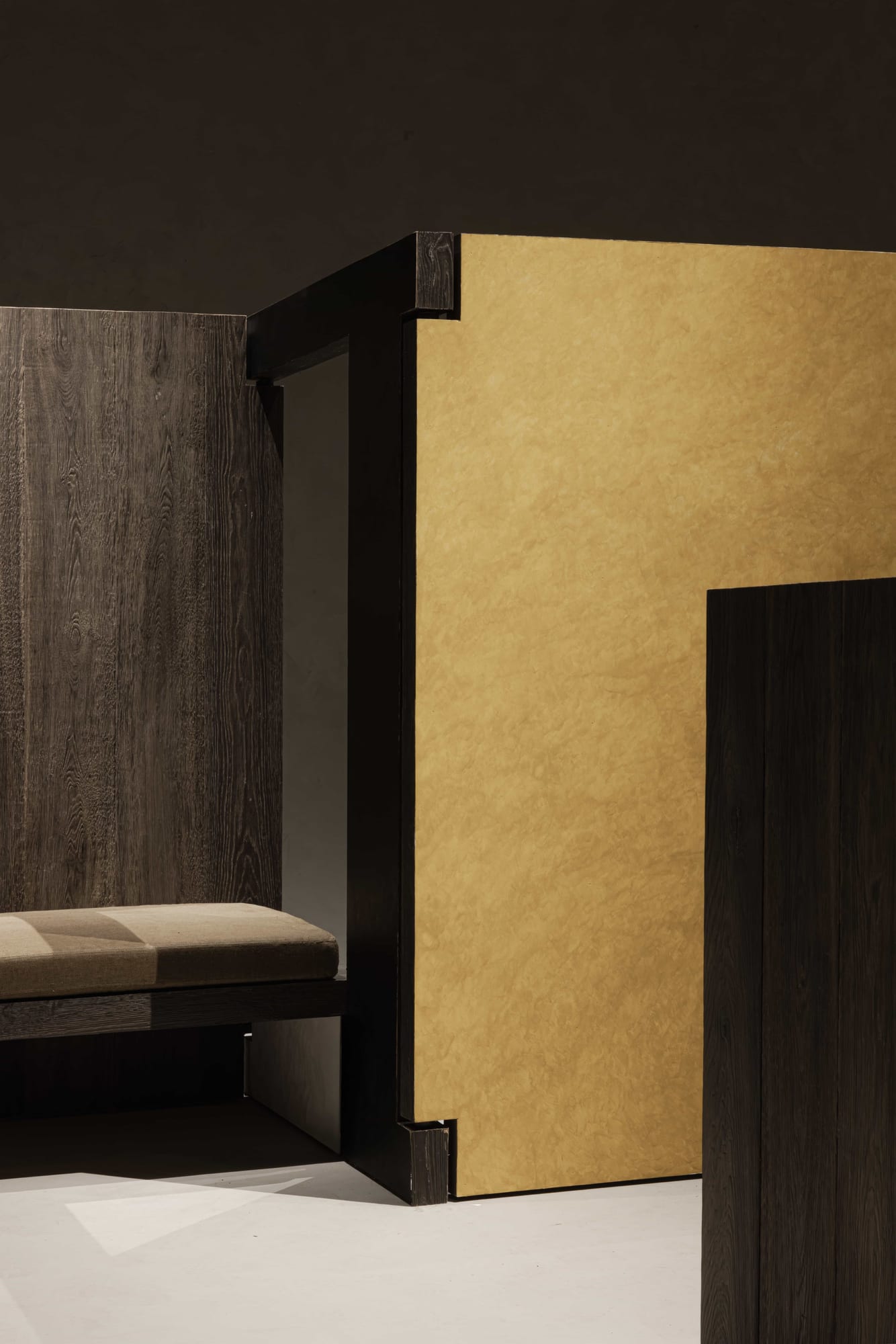
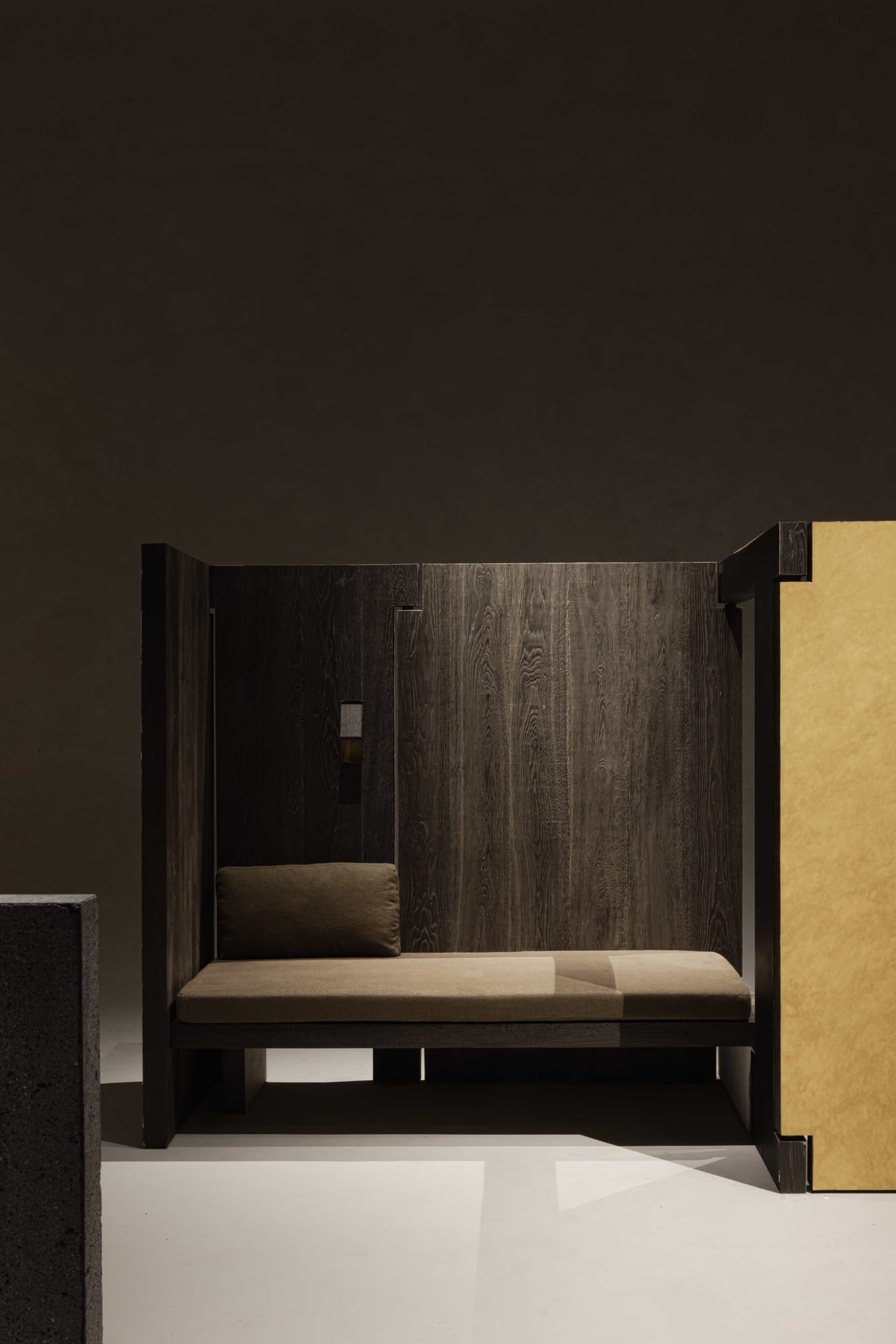
At its core, Enclave proposes a series of six groups of panels. Constructed from volcanic stone, wood, and primed boards, each panel merges tactile materials with precise craftsmanship. Through thresholds, storage spaces, furniture, and transitional elements, the exhibition proposes a new way of experiencing space—a choreography of planes, hinges, and voids that function simultaneously as boundaries and passages, structure and transformation. This living system of adaptable architectures invites us to rethink domestic space not as a series of fixed enclosures but as a dynamic whole, attuned to the rhythms of each specific room.
The panels in this exhibition are individual “enclaves” that introduce architectural elements into an existing space, creating a dialogue between them. Each panel functions as an architectural unit in itself, with an articulated system that transforms the space it occupies. These movable elements not only divide or contain, but also become integral to the architecture, shifting and adapting to new uses and perspectives, allowing the user to experience a space that is both defined and limitless. Thus, Enclave emerges as a dynamic, ever-evolving interaction between materiality, movement, and the surrounding architecture.
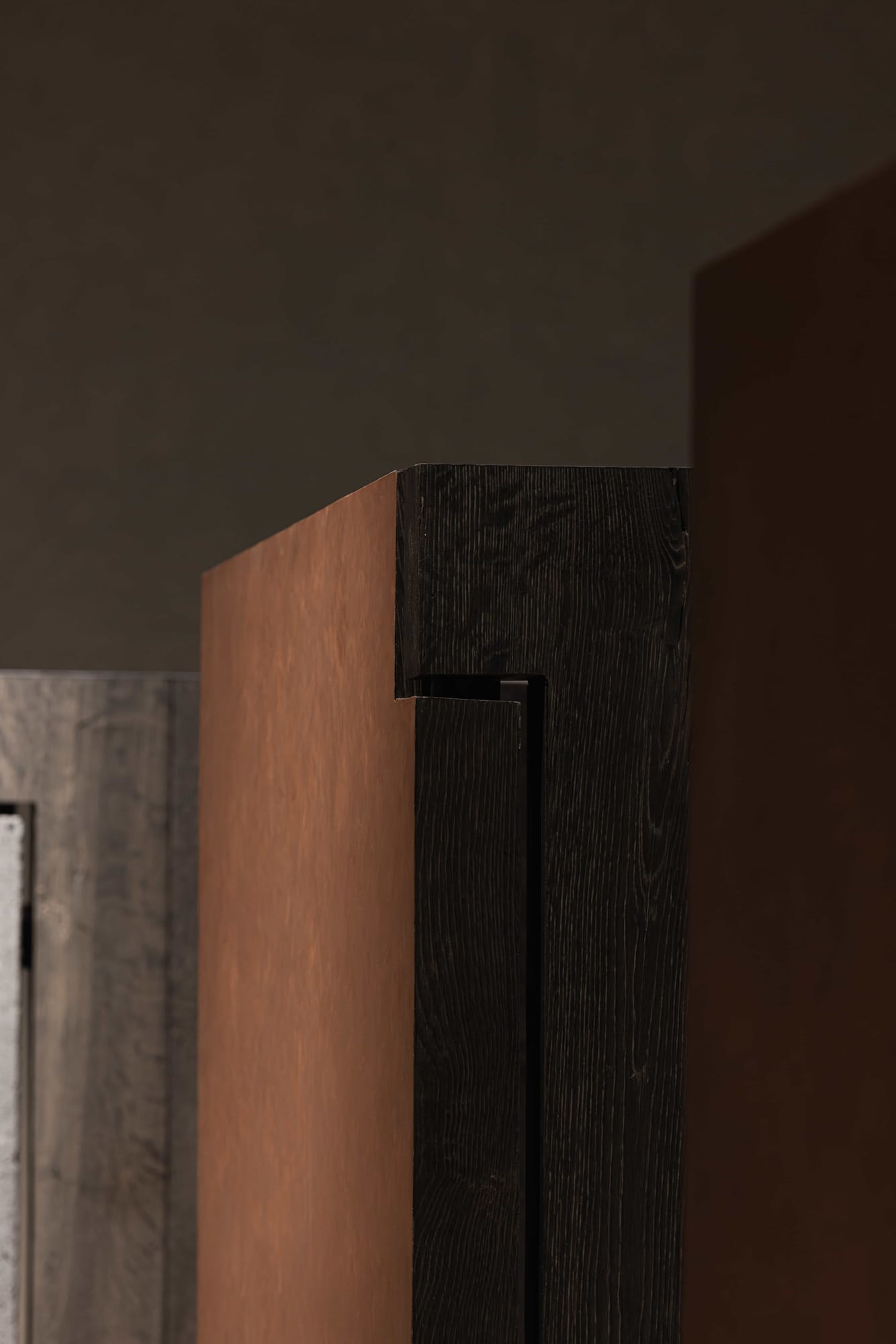
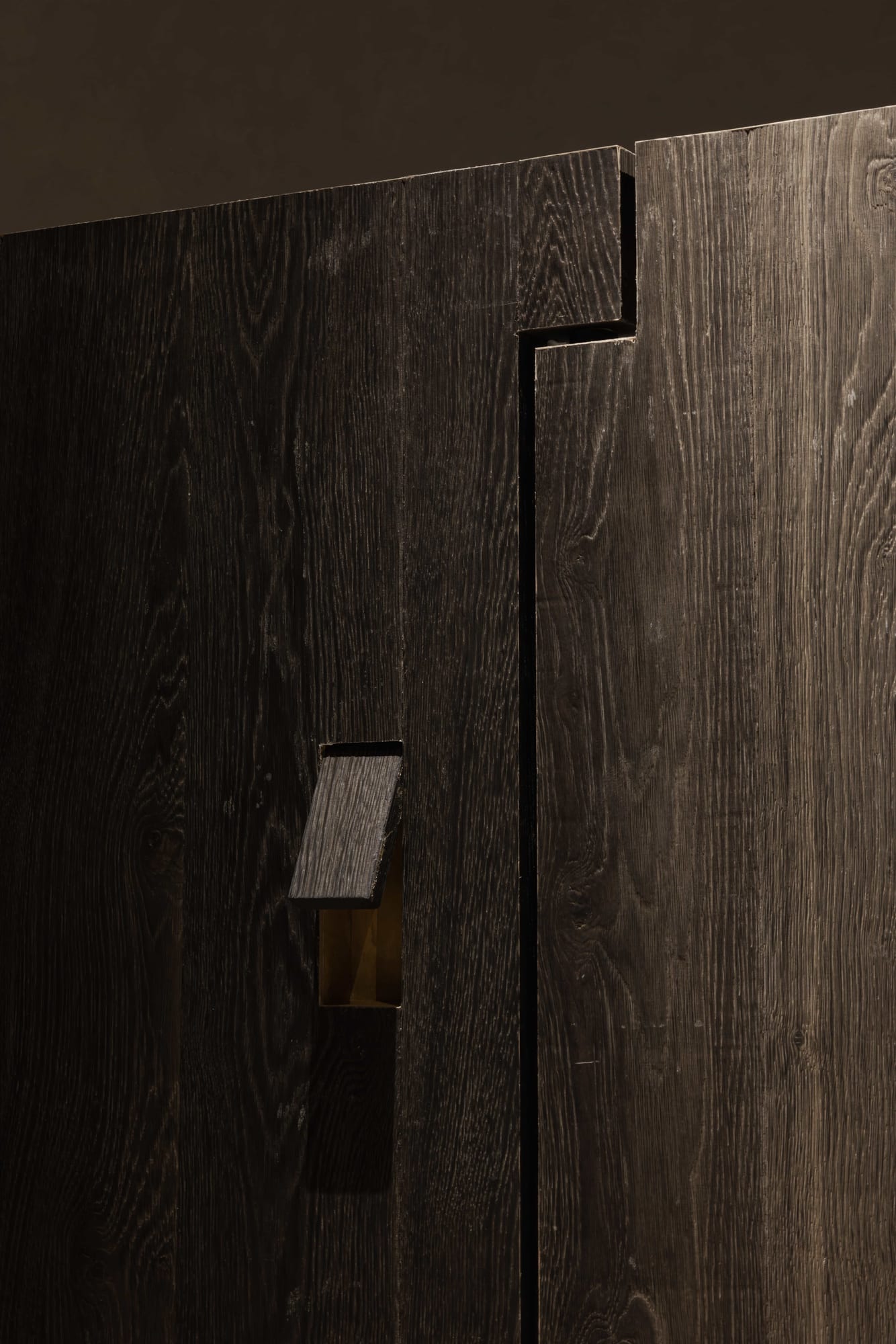
The panels modulate light, depth, and circulation, offering porous divisions rather than rigid separations. The hinge, integrated into the panels, represents a model of interconnection. Here, the hinges are not merely functional; they merge disparate architectural components into a continuous whole, allowing each piece to maintain its unique identity while becoming part of a greater, dynamic composition. Each hinge, acting as both an articulating and structural connecting mechanism, transforms the space in ways that enable variation, movement, and flexibility.