
Curated and produced by CO,MA, Valley of the Dolls is an overtly theatrical, site-specific installation that explores how themes of decay, loss, pain, addiction, and nostalgia can be embodied through sculptural form. Throughout the exhibition, sculpture serves as a means for Julia Thompson to examine her personal archive and its relationship to materiality, translation, and preservation.
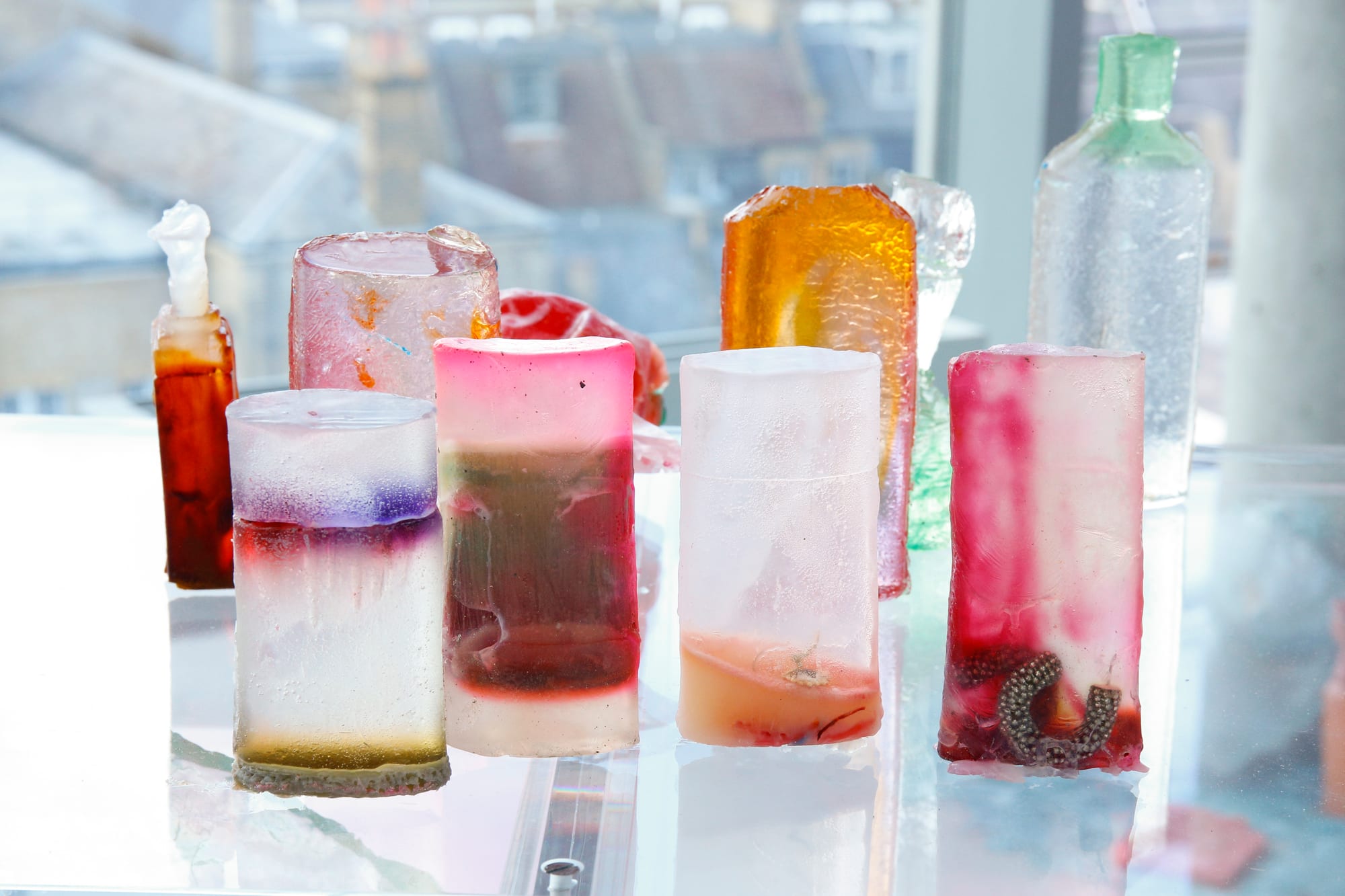
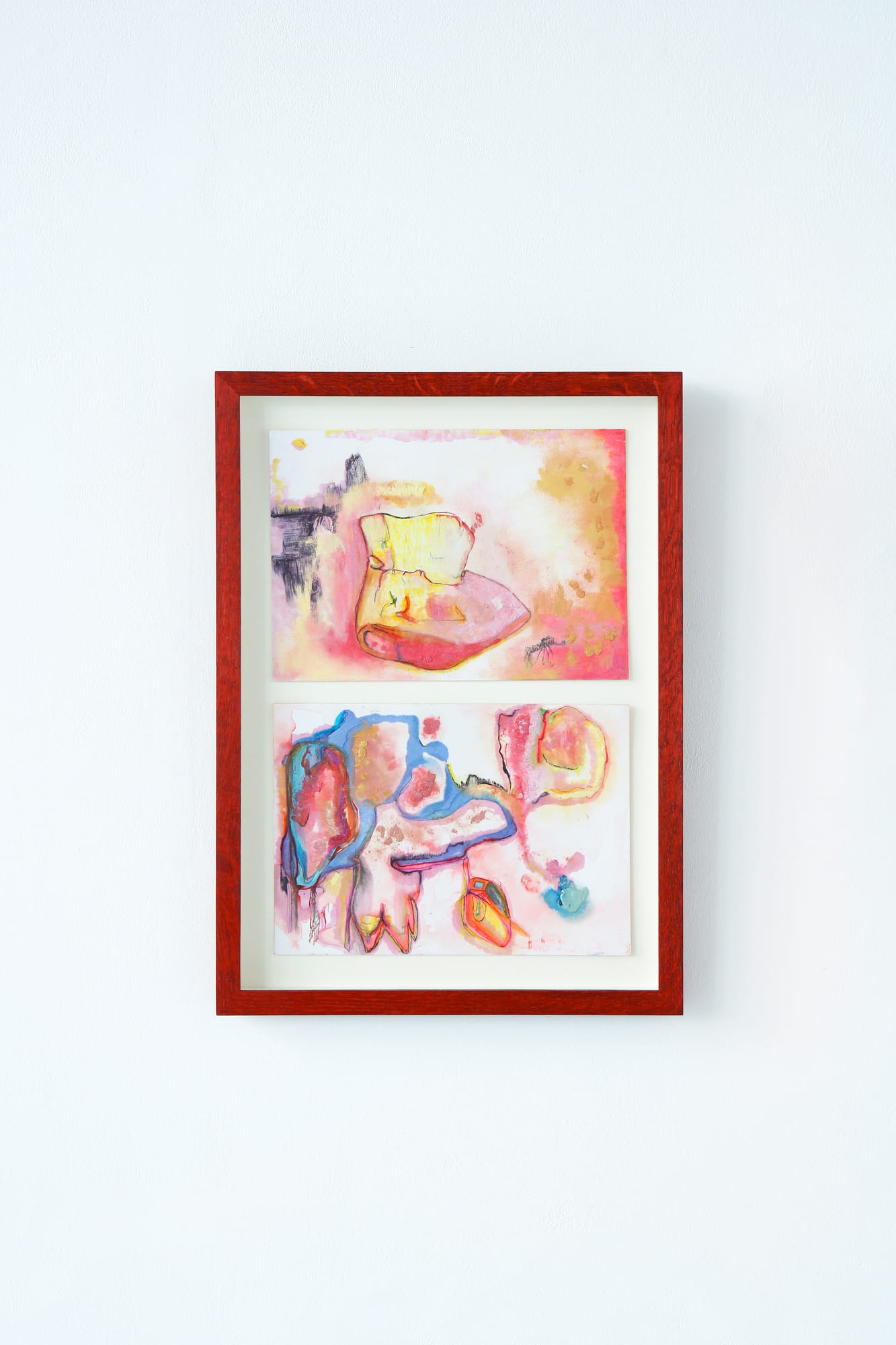
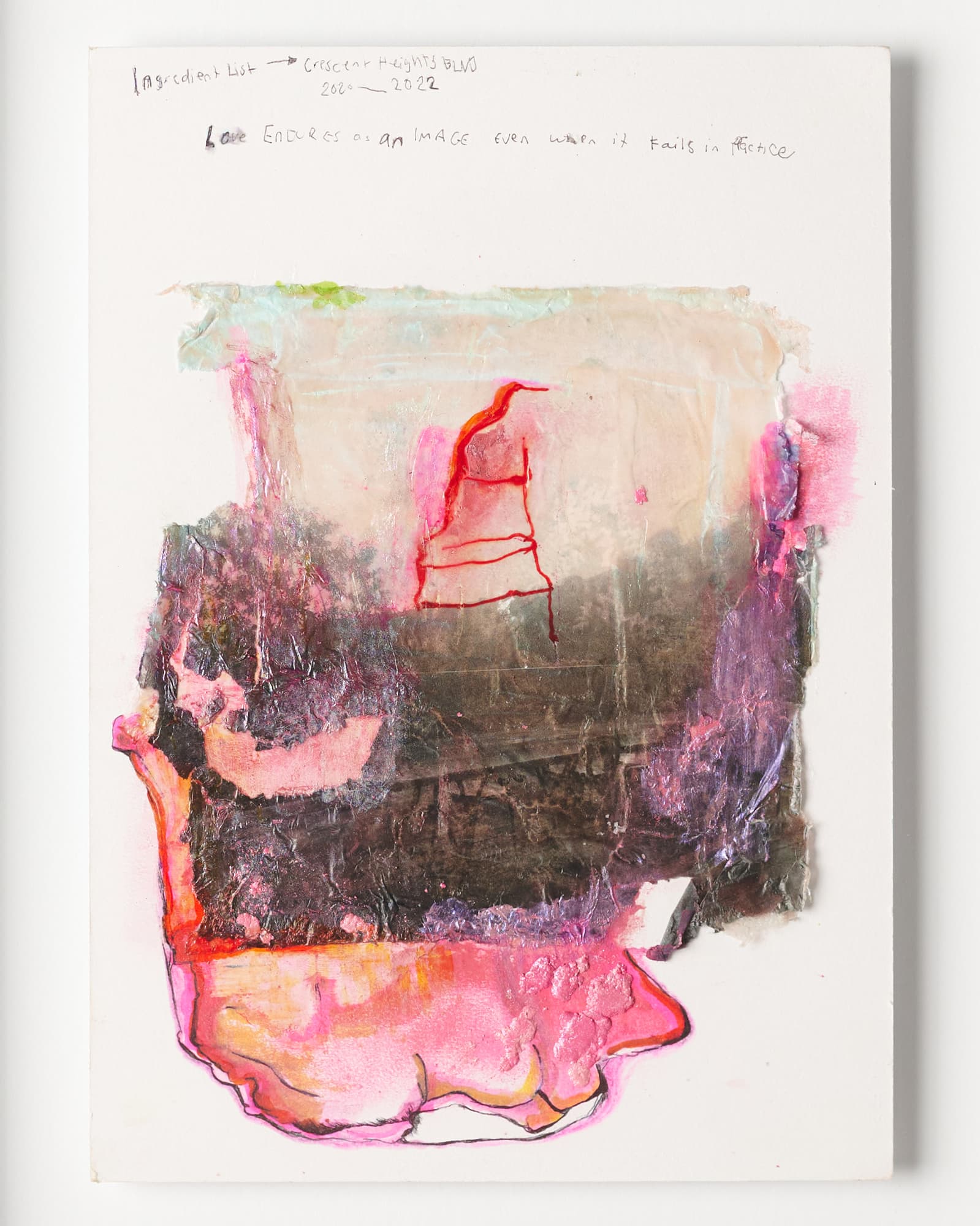
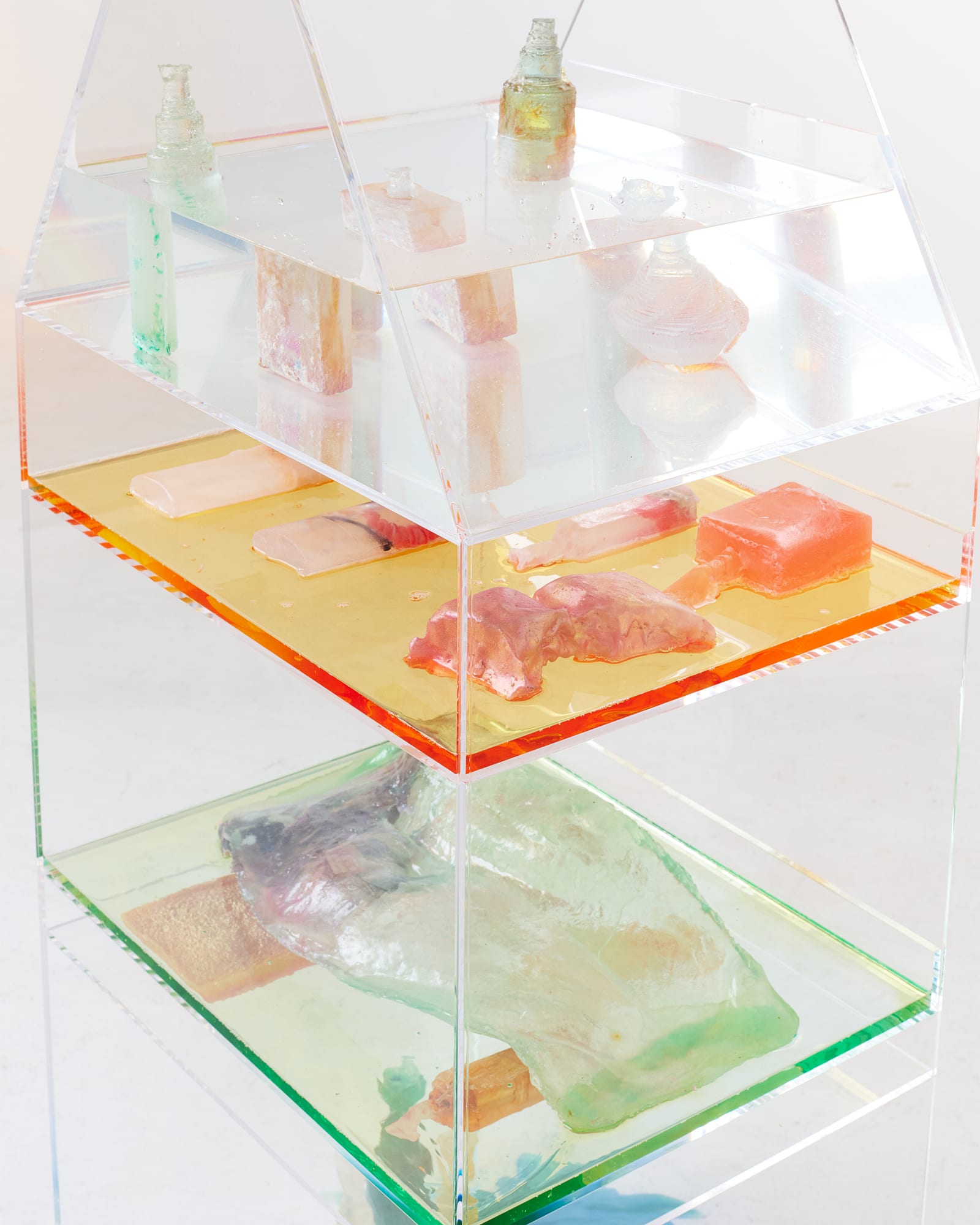
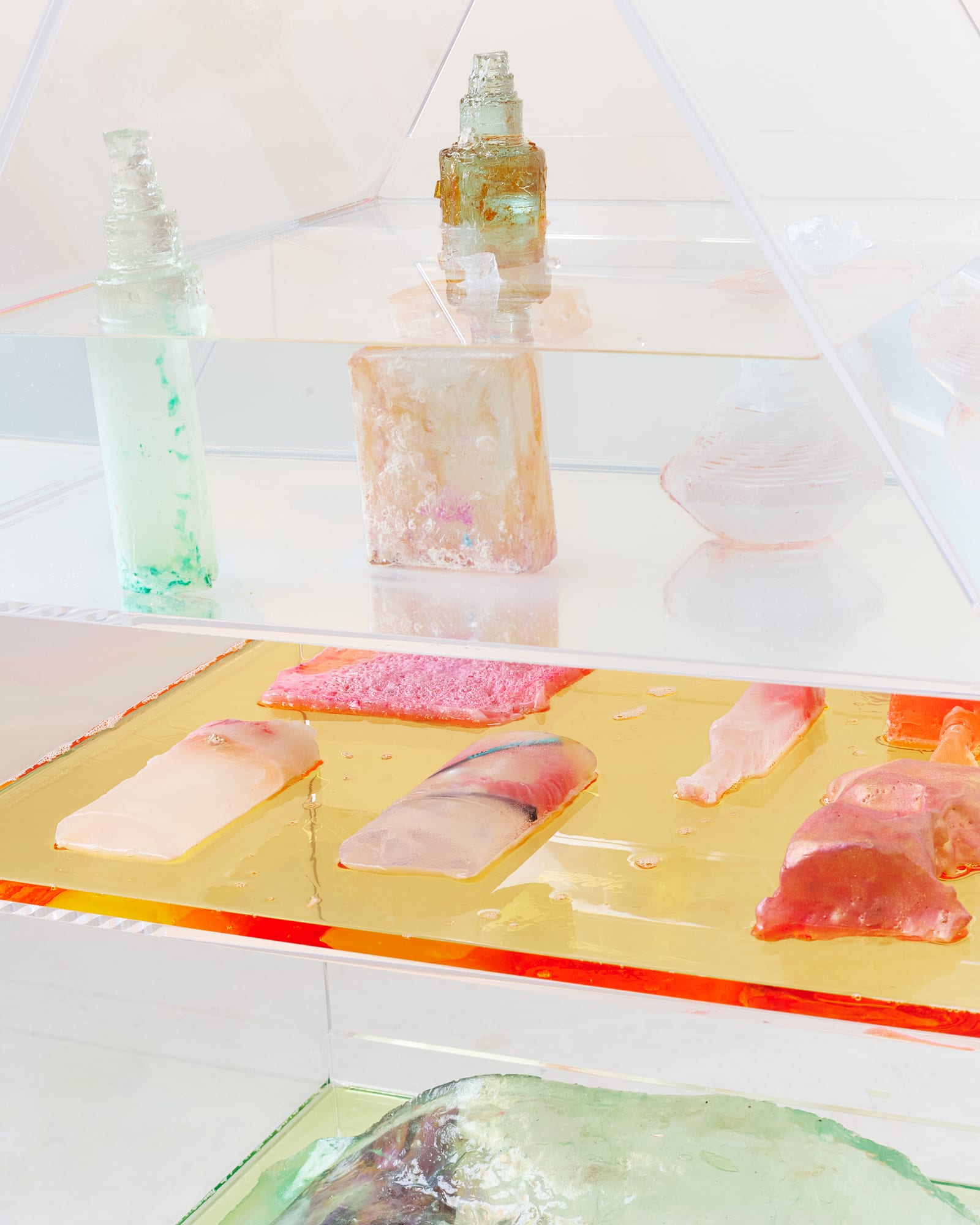
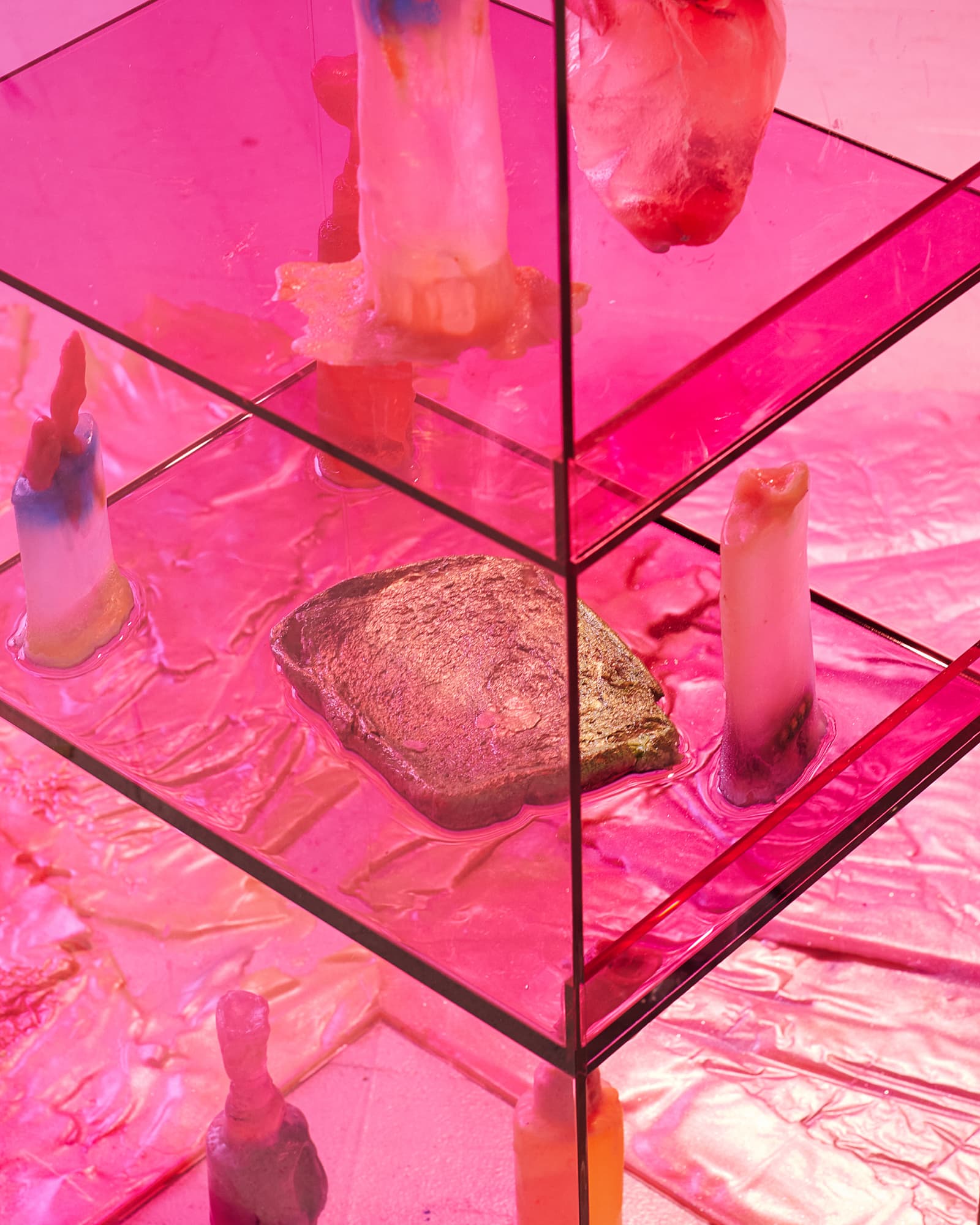
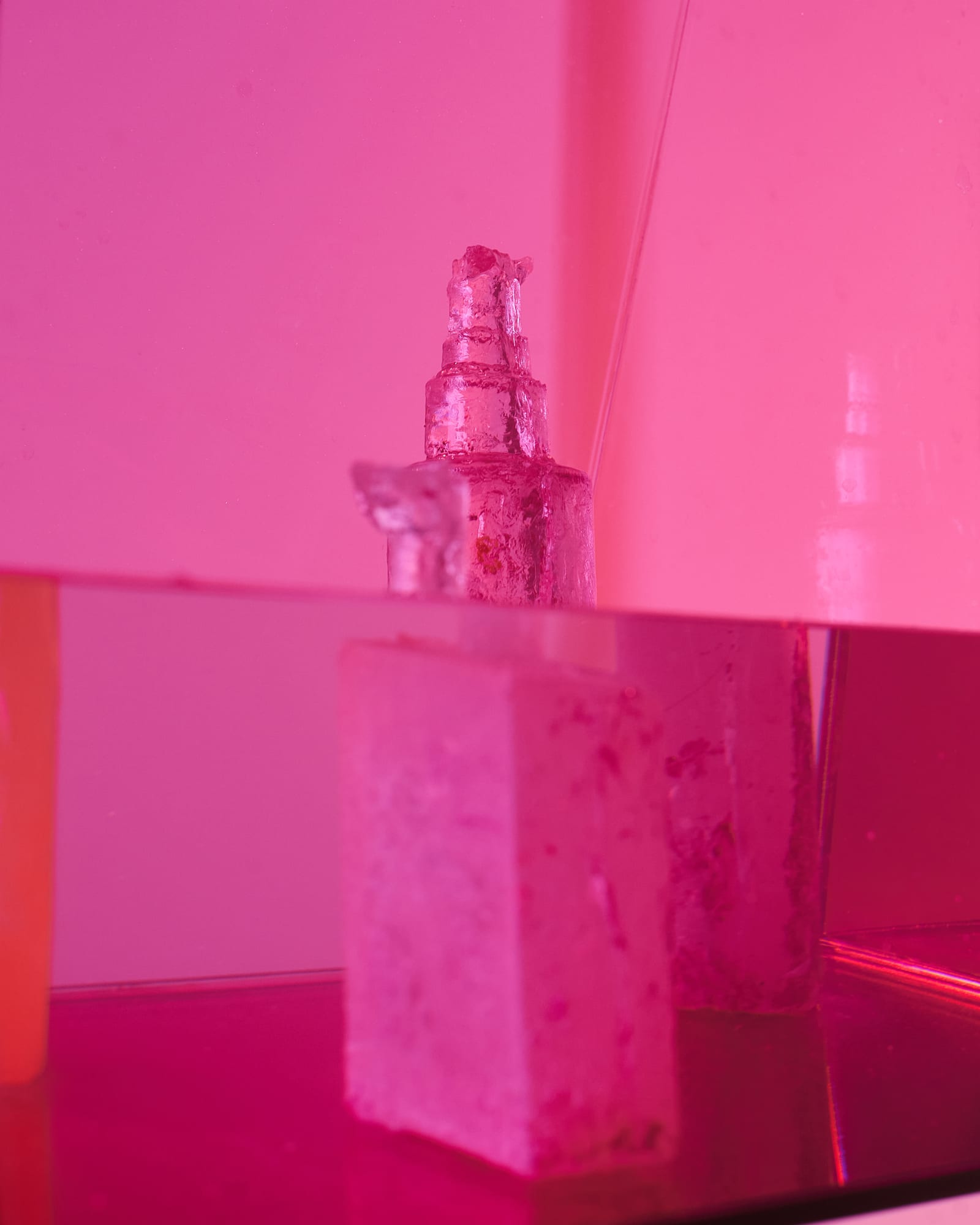
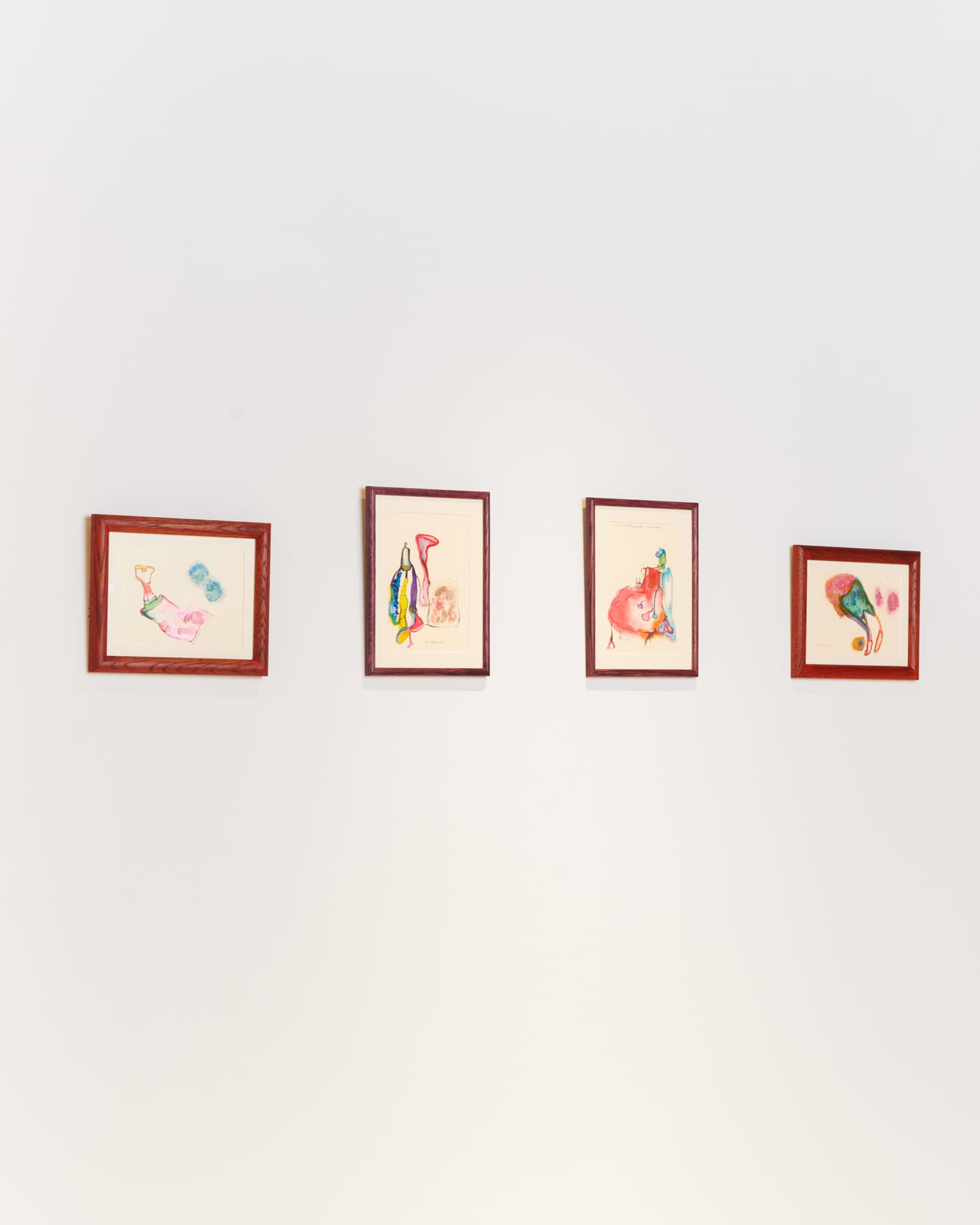
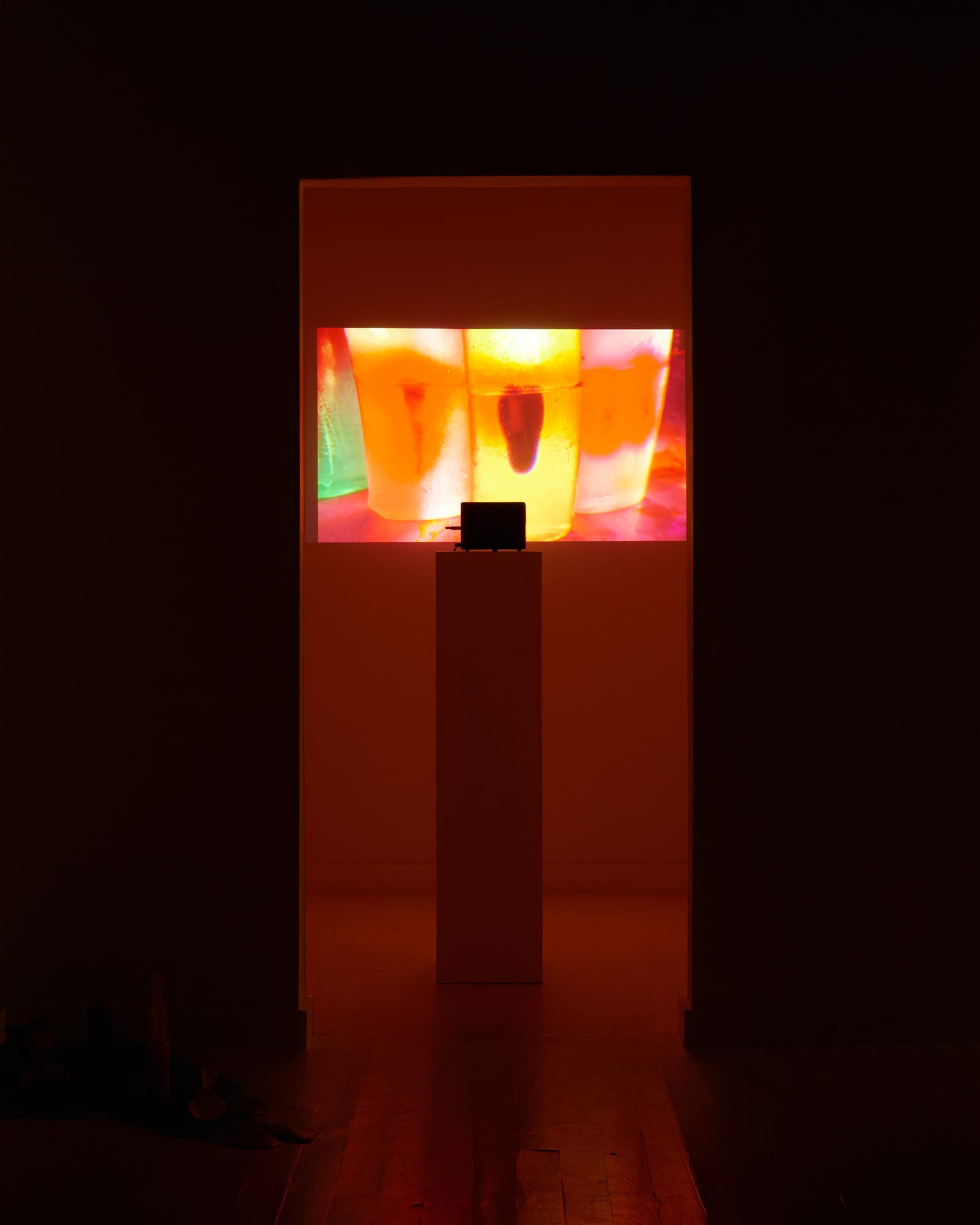
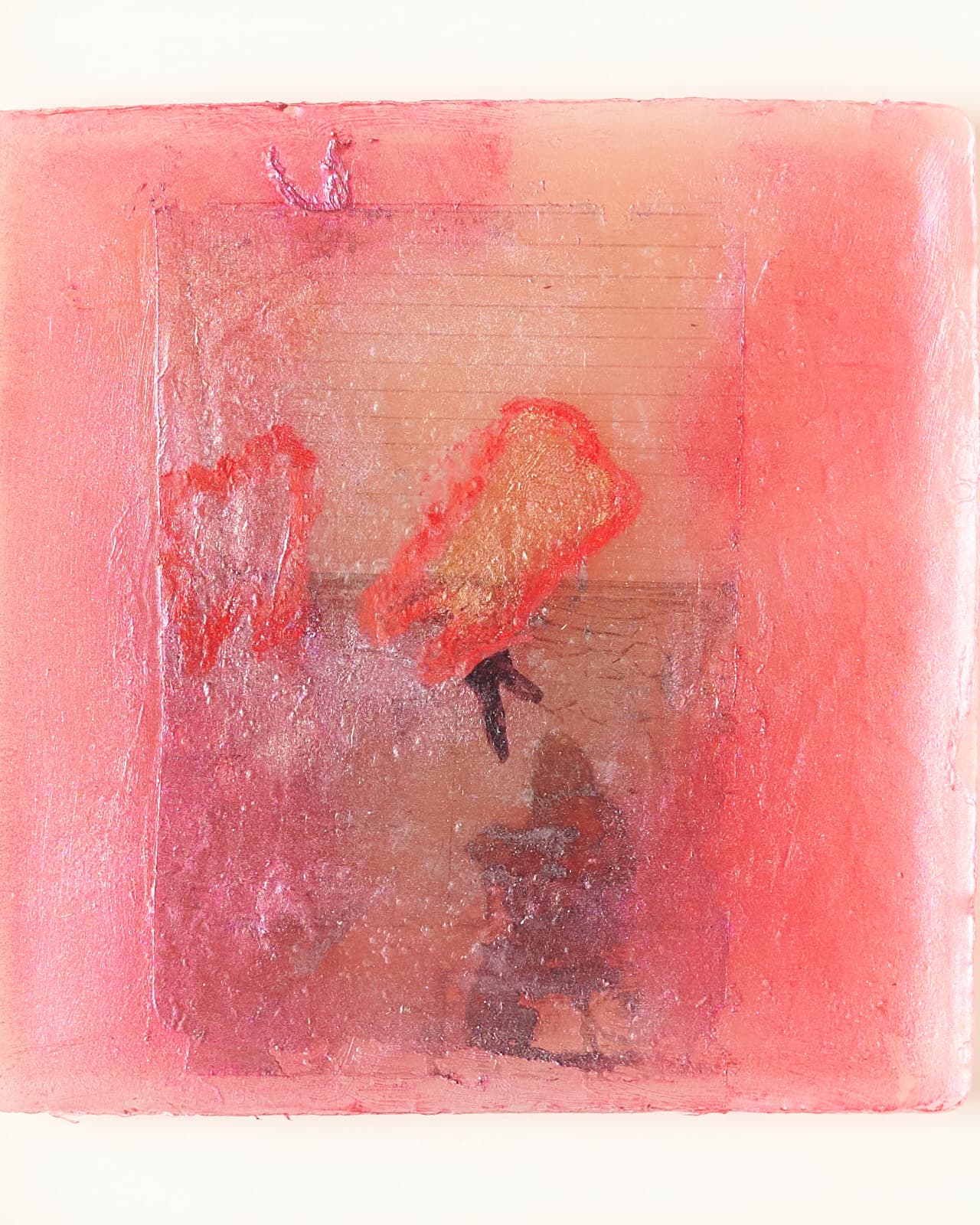
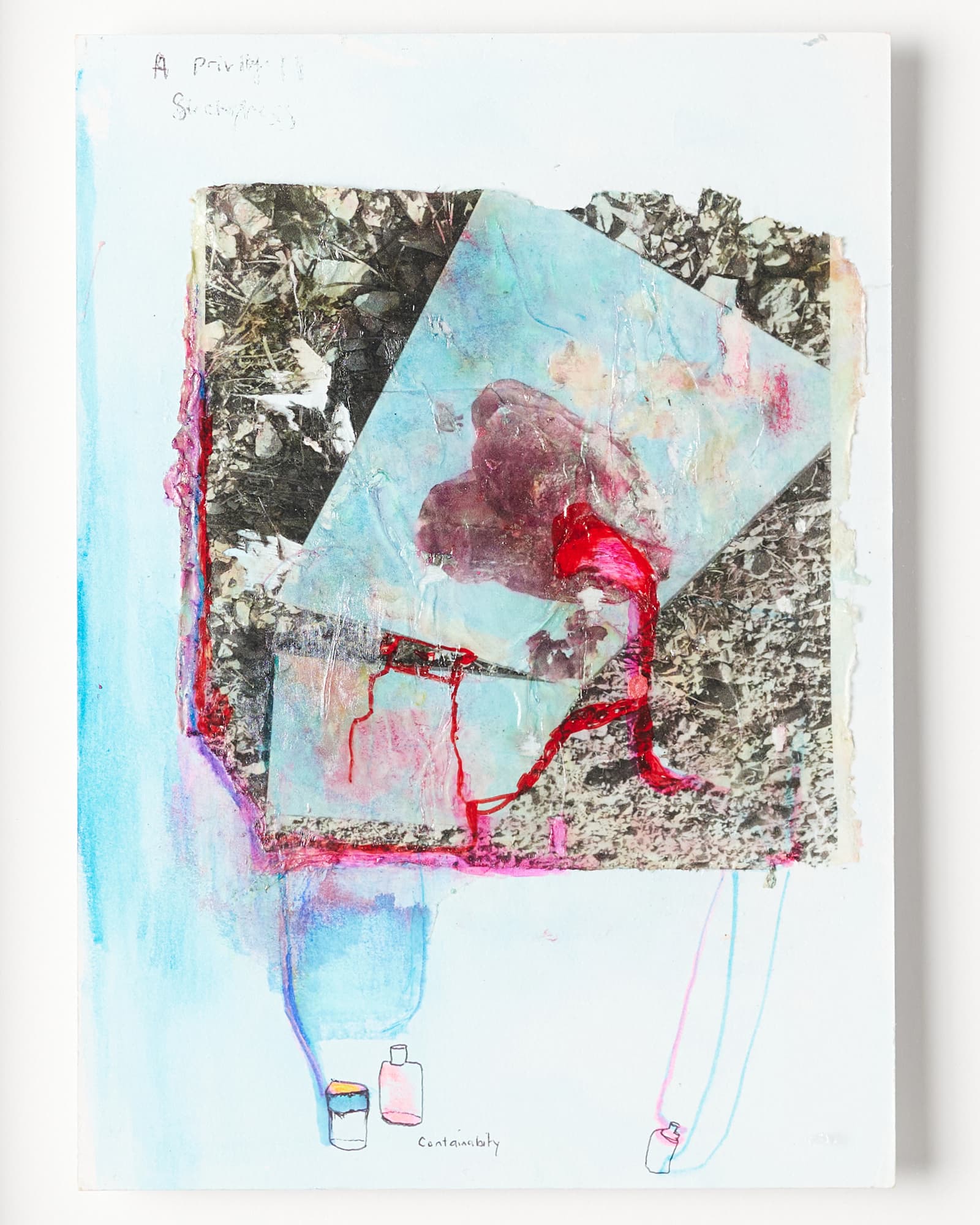
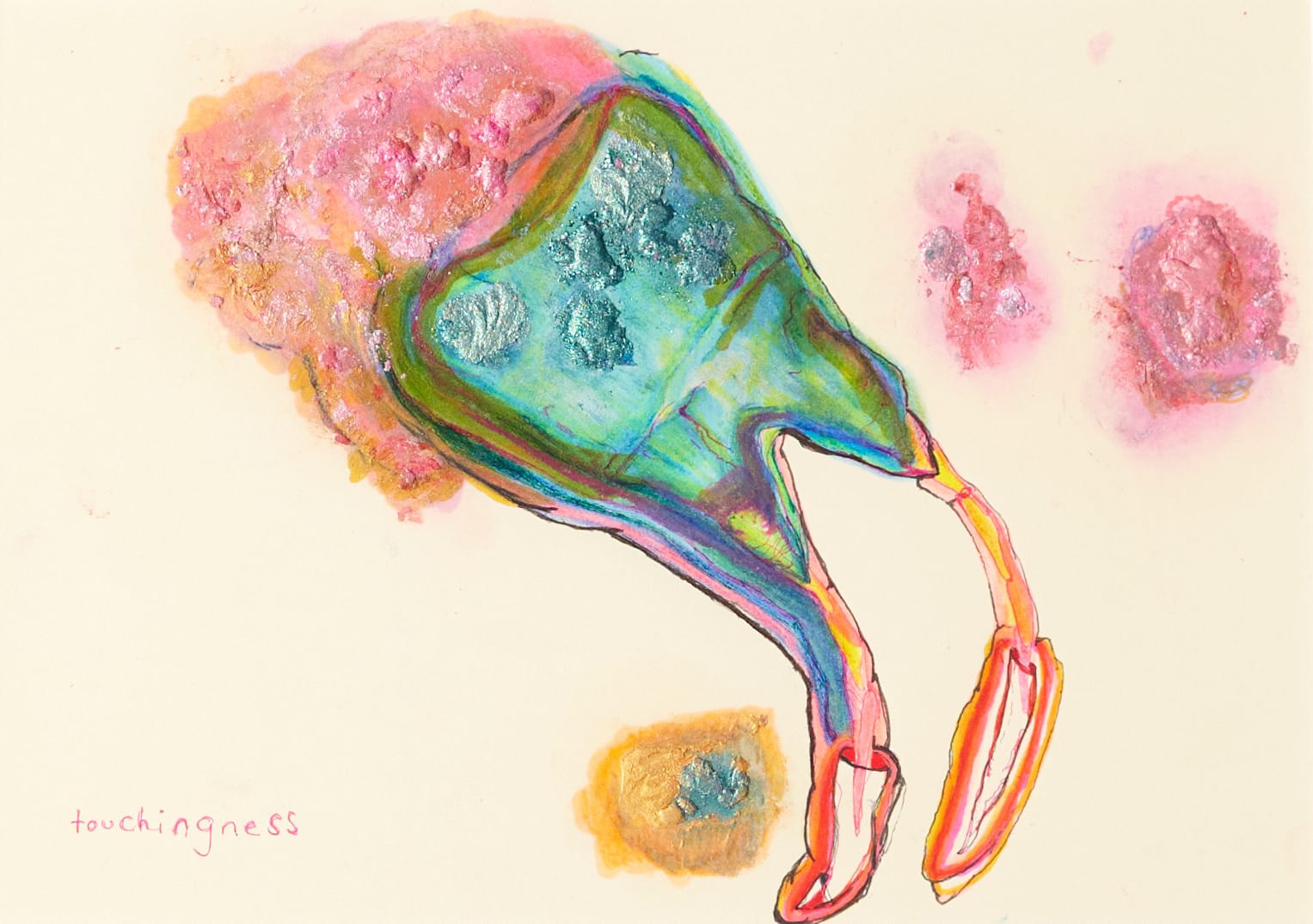
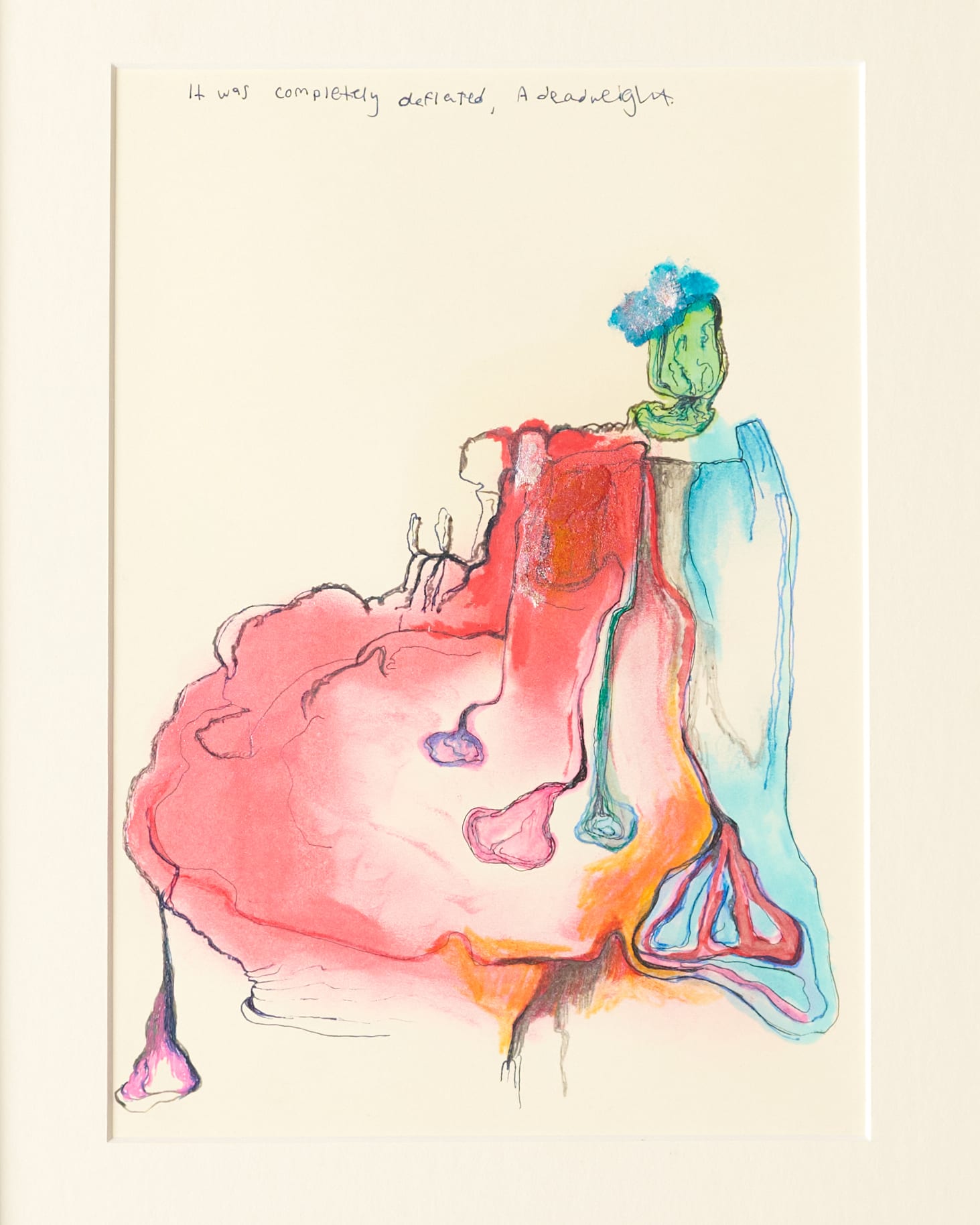
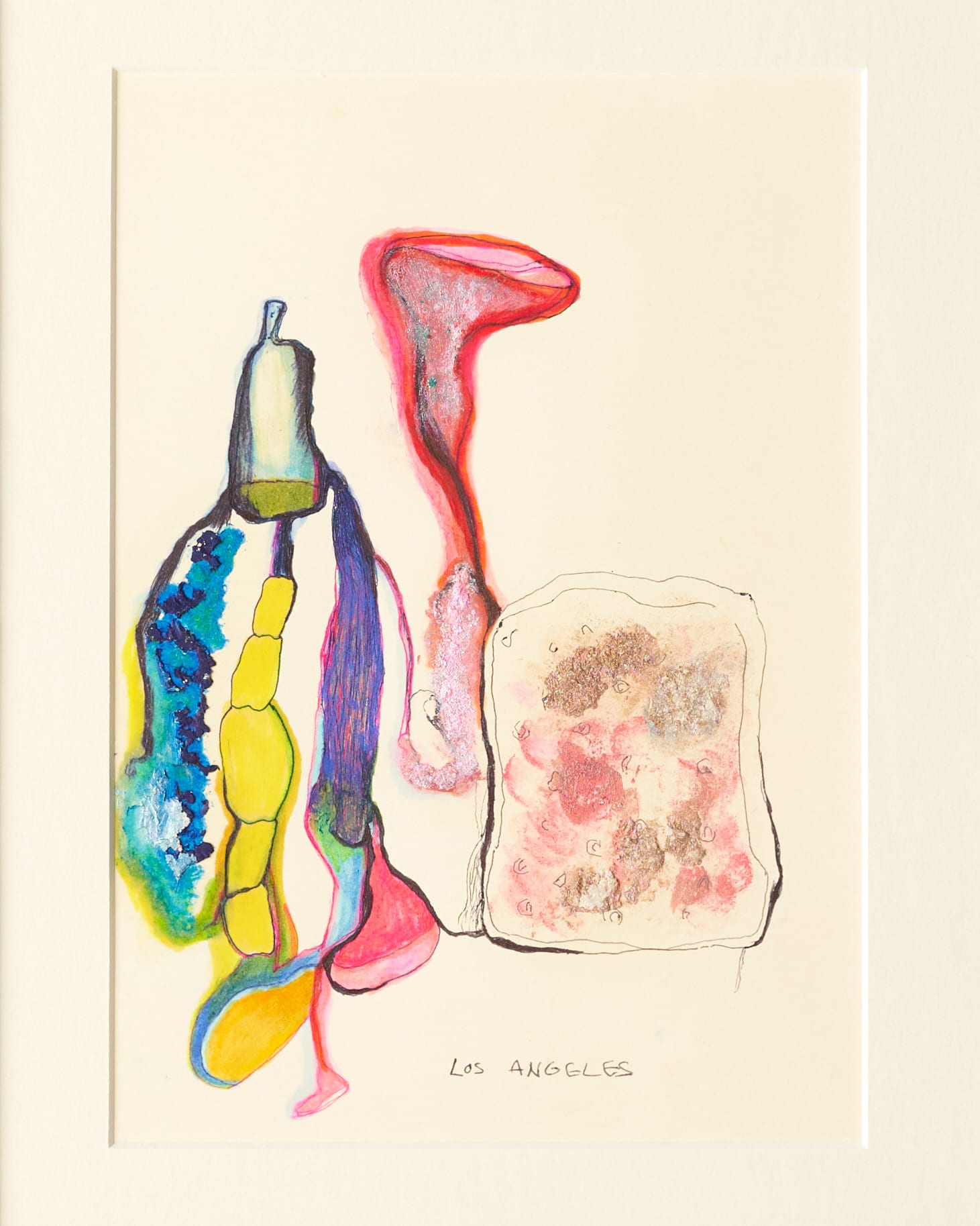
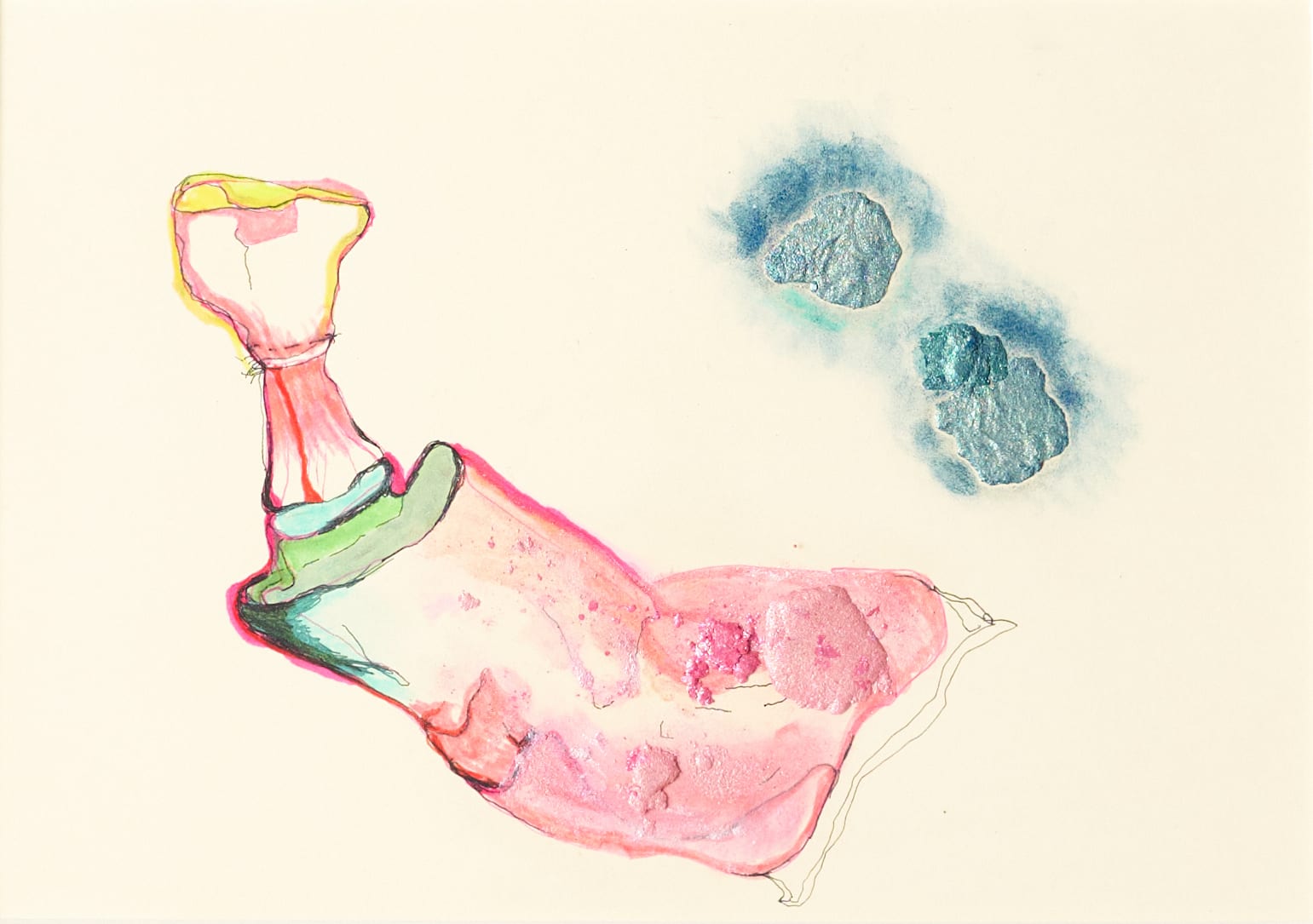
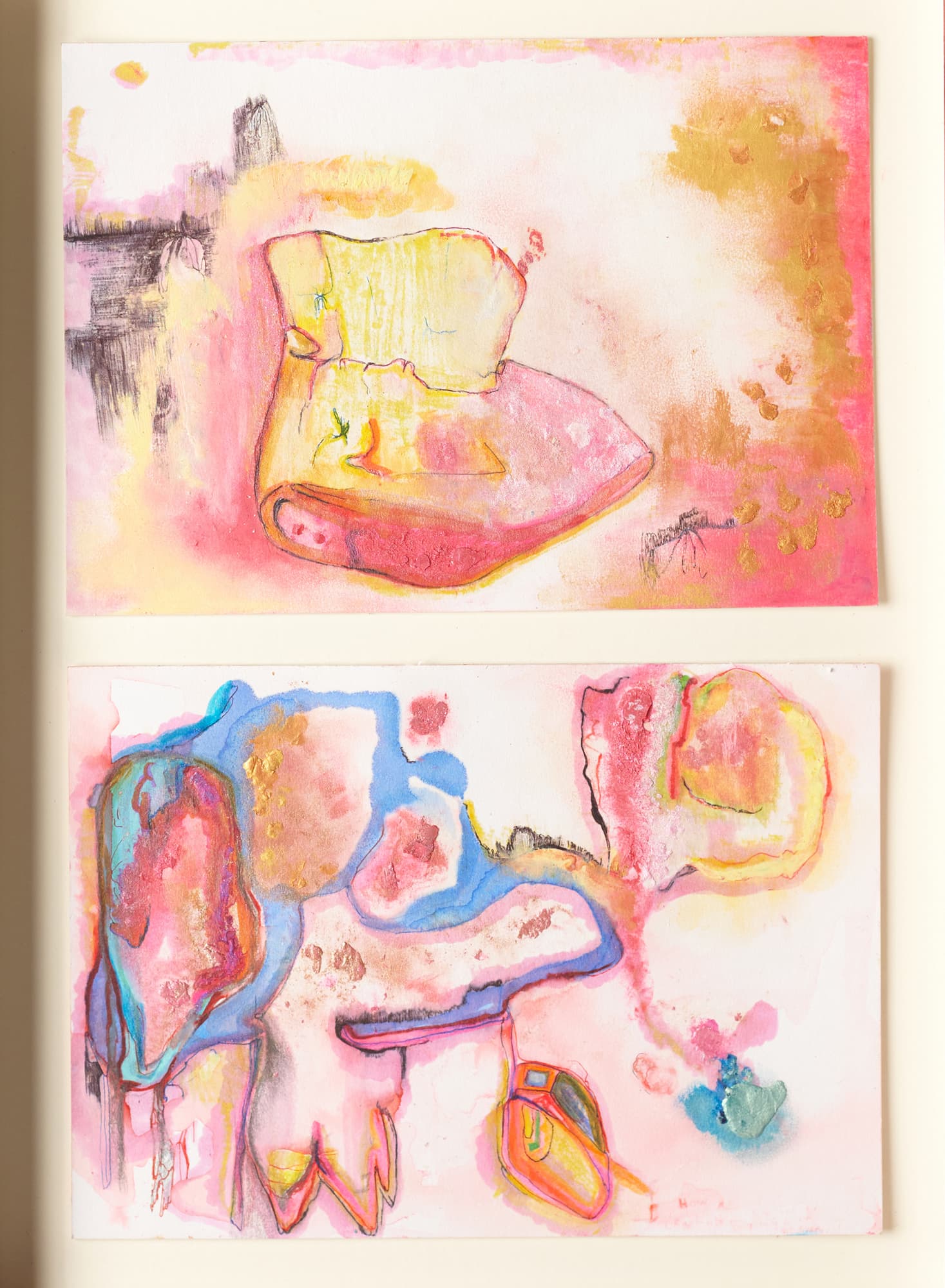
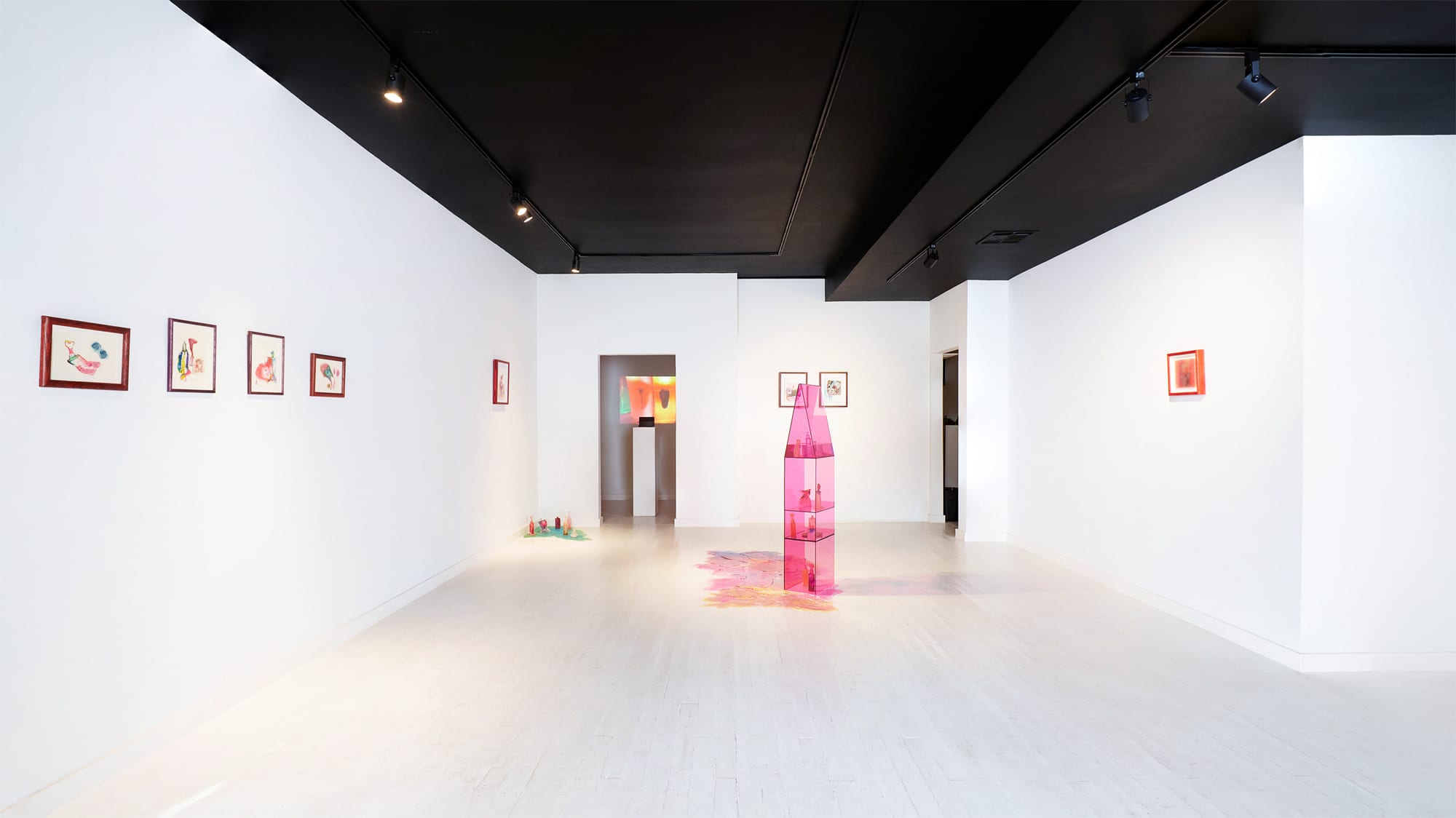
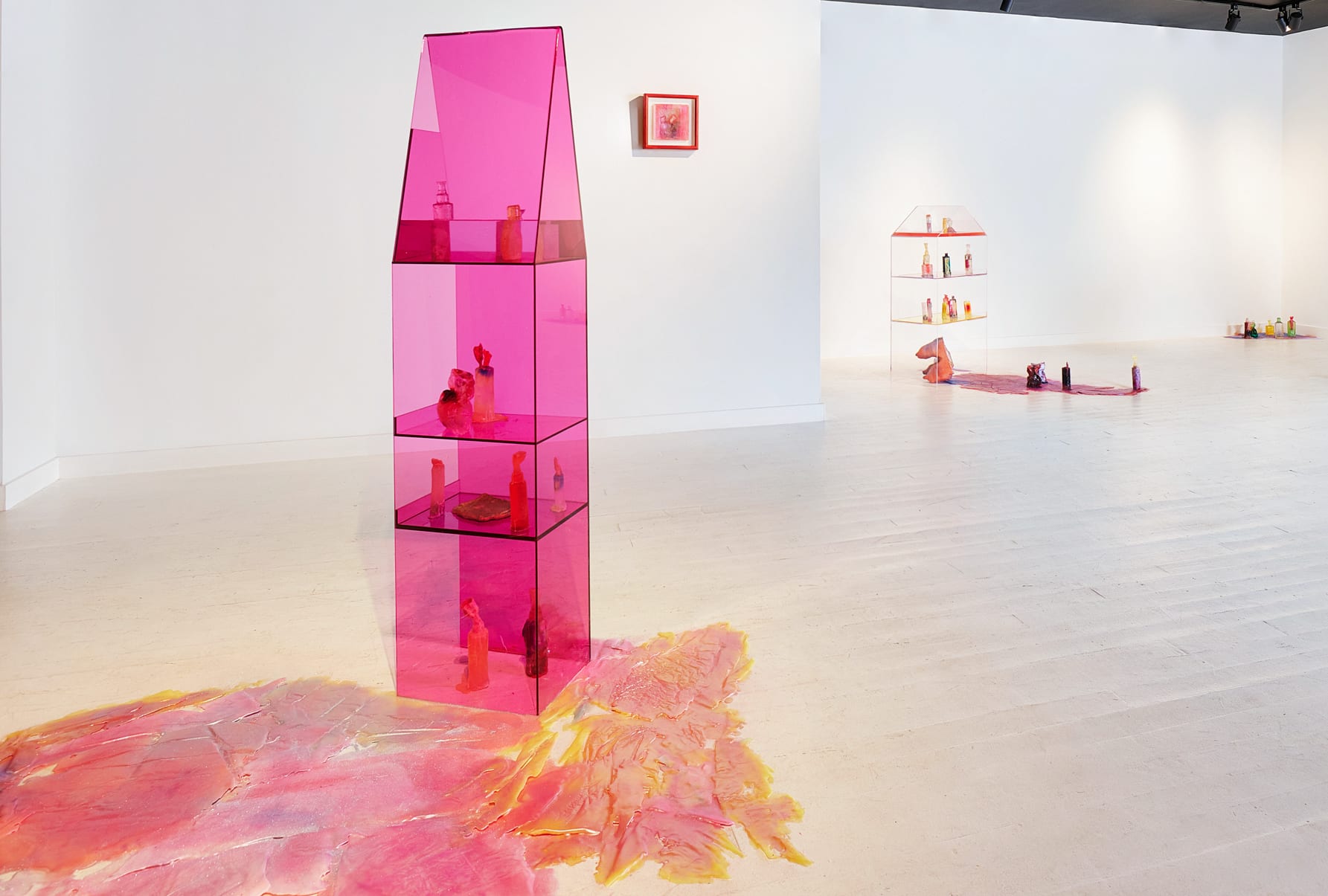
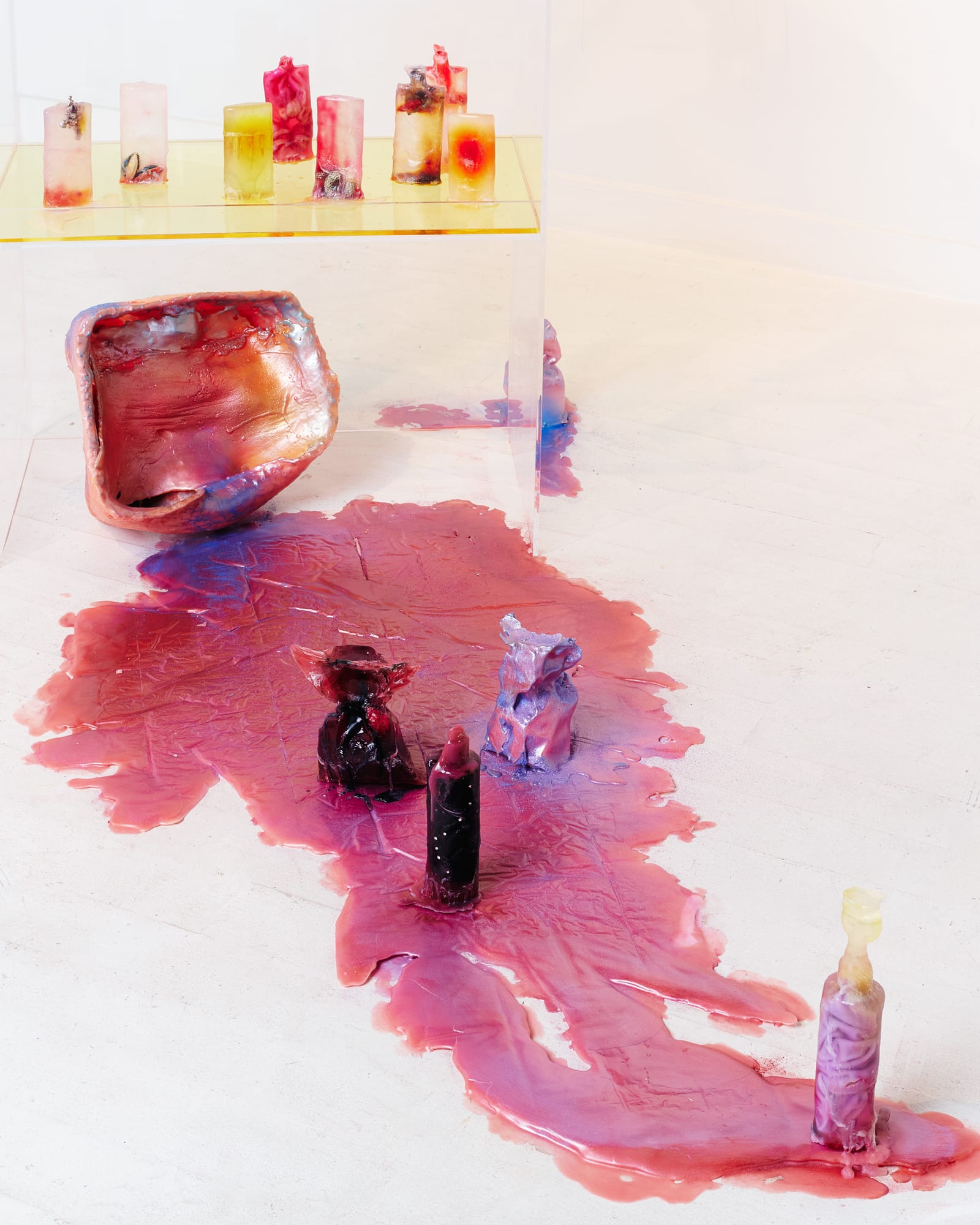
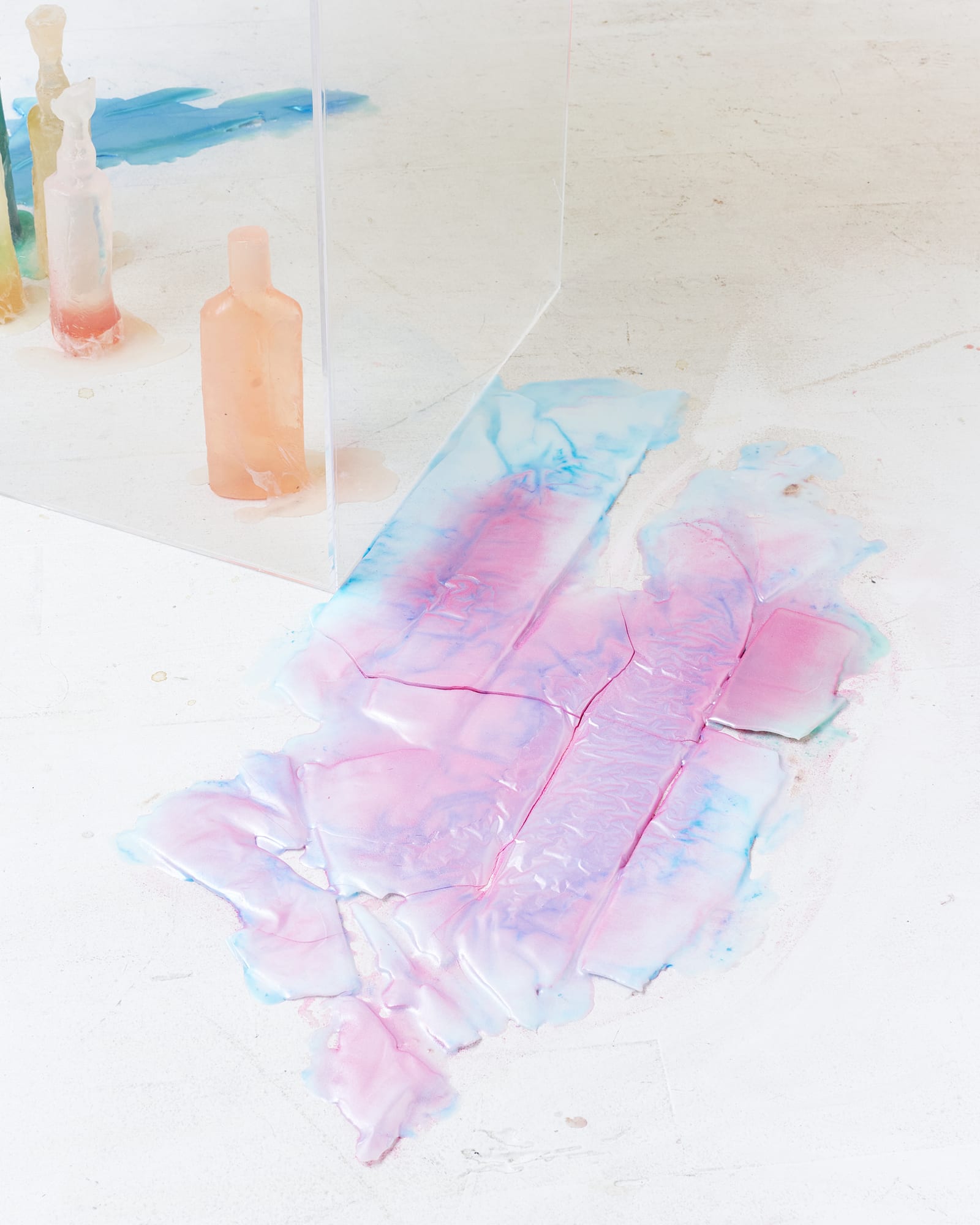
Julia uses candy, syrup, soda, perfume and vodka, decomposing, degradable materials. Things that we know are prone to slippage, unfixed in space, lacking the defence of a definitive barrier to their environment — and repetitive allusion to the mechanism of memory and its stimulants, smell and sound. The porosity of Julia Thompson’s work undermines the reliability of the deixis on which the intelligible lived experience depends. Hers is a Valley wherein then is a past made ever-present via its exhumation, all time pregnant with the rest of itself. This mixed metaphor is intentional, and imagery which seems at first to be opposing is not so: the very business of remembering involves either a grave-digging or a bringing (back) to life of an experience whose bizarre status we lack the grammar to describe, that which has passed, which is not now — to use that word which pulls the rug from under one’s feet and leaves one breathless and grappling — and in other words, is closer in its condition to being dead.
Julia has referred to the obsessive nature of nostalgia, the affect which renders time a monolith, that makes the present concomitant with all its pasts, as a “memory disease”, and much of her work is a struggle against the impossibility of getting outside of a moment in time while existing in the shadow of this notion. Derrida expresses a similar sentiment in his Archive Fever (the original title of which is Mal d’archive, translatable as pain, sickness, or illness of the archive): that to engage with archives, containers for the material evidence of lived experience and of memory, is to fetishise them. This fetishisation seems to presuppose a subject-object relation in our favour, archive passive and we active, but he suggests, as does Julia in her own way, that what occurs is the obverse of this coin: that we are seduced by the archive.
The ensuing fever, characterised as the insatiable, endlessly regressive reaching back in time is addictive, compulsive, engendering a spiralling through and ultimately past information. Derrida presents the inability to arrive at that which, temporally, would be an end point, in reverse: as a search for a beginning, an initial, elusive trace, an urtext that can never be located. Speaking then of birth, death, burial and exhumation, this articulation of the end point of archival research (or of attempts at tracing a memory back to its genesis) as a beginning highlights the aporia inherent in the exercise itself, the detection of a trace always begetting a predecessor, inaccessibility inherent to notions of origin. What this reveals is the archive’s — and the memory’s — status as epistemological desert, unable to furnish us with that which it claims to provide, no instance of information, no feeling, no sense of the atmosphere of a moment in one’s life able to serve as point of arrival.
Julia of course knows this (in the sense that she feels it), and with this work is parsing it out, each sculpture an experiment in marking time. She is attempting to form an anatomy of memory, and that this is a doomed enterprise does not matter. She is not left empty-handed. The attempt itself constitutes the work, and its impossibility is pre-installed within her practice: it is only by building something concrete as a stand-in for the unreachable that she can make her own reaching visible.
–Moffy Gathorne-Hardy