
Abogado is an intervention specifically designed for the central plaza of the Anahuacalli Museum by the artist FOS (Thomas Poulsen, Denmark, 1971). As individuals in society, we tend to construct structures composed of institutions and ideologies that allow us to organize and frame the multiple interactions among ourselves. Laws are one of the manifestations of this sense of social order, which can be seen as a guide to how relationships between people can and should be in different aspects of social life. The law is the institutional form of life, interpreted from the understanding of people’s interests, ideals, and identities, which in turn give meaning to institutions. And although laws are our collective creations, from a secular point of view, we tend to see them as immovable and immutable, as if they were a natural phenomenon that precedes us in history.
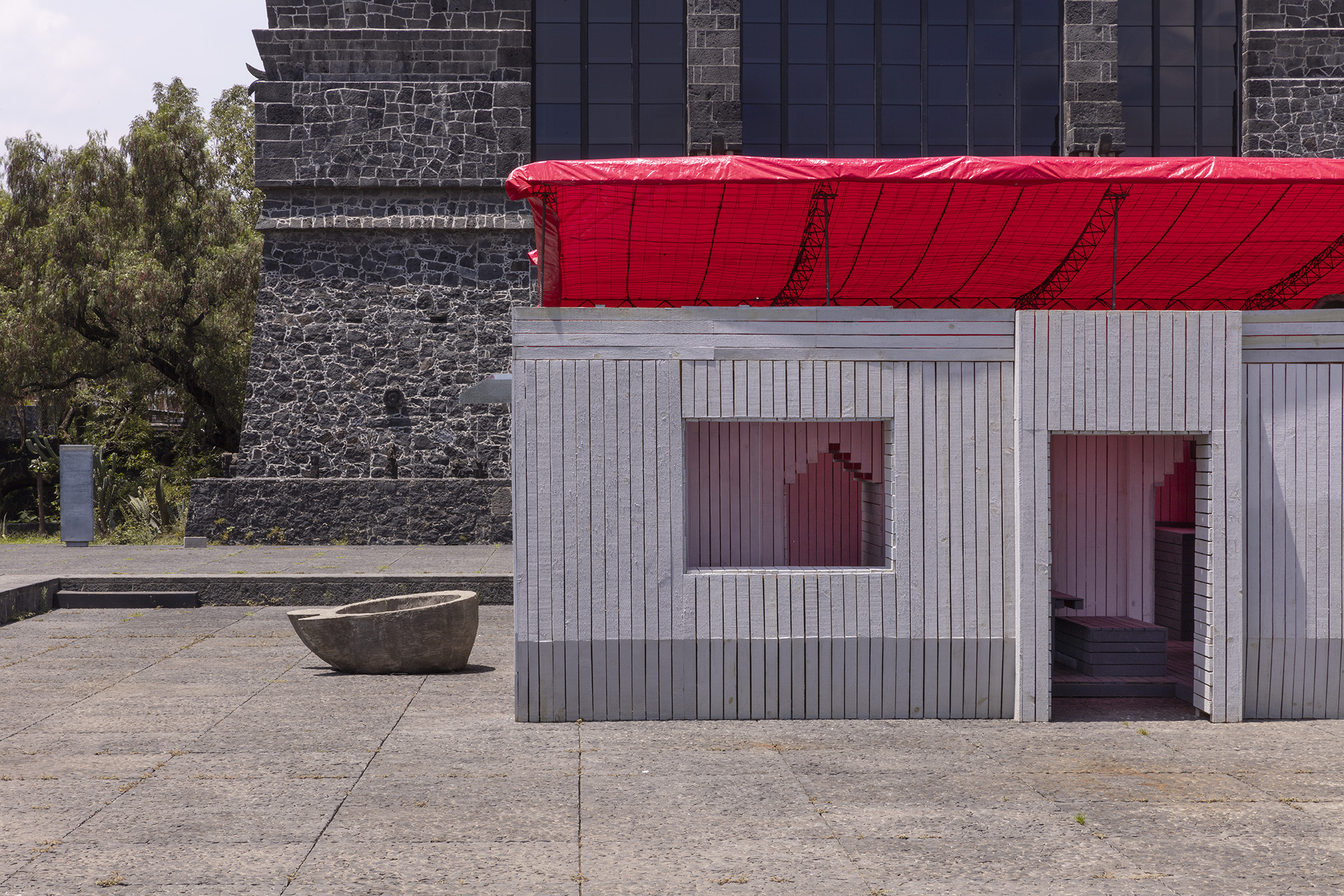
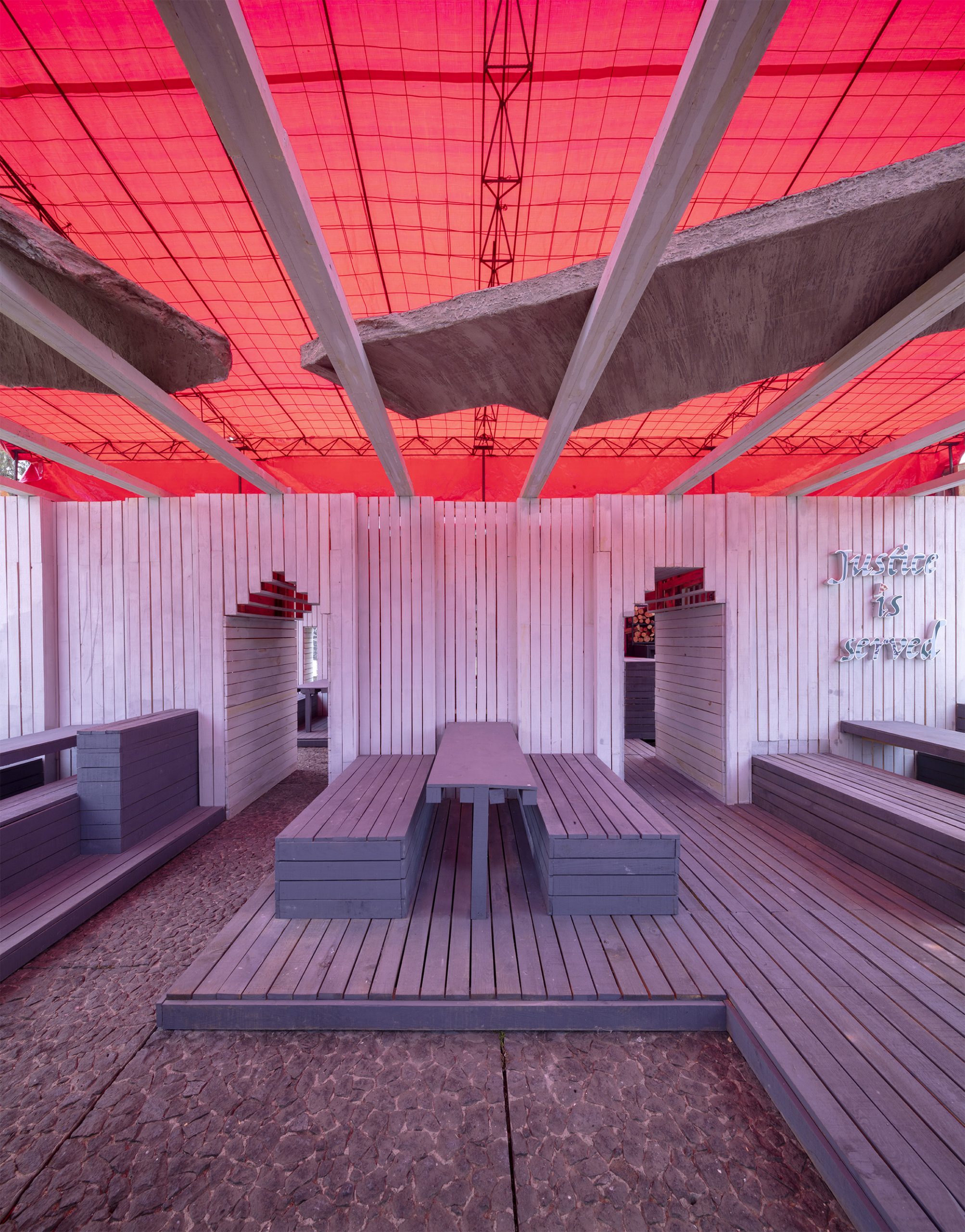
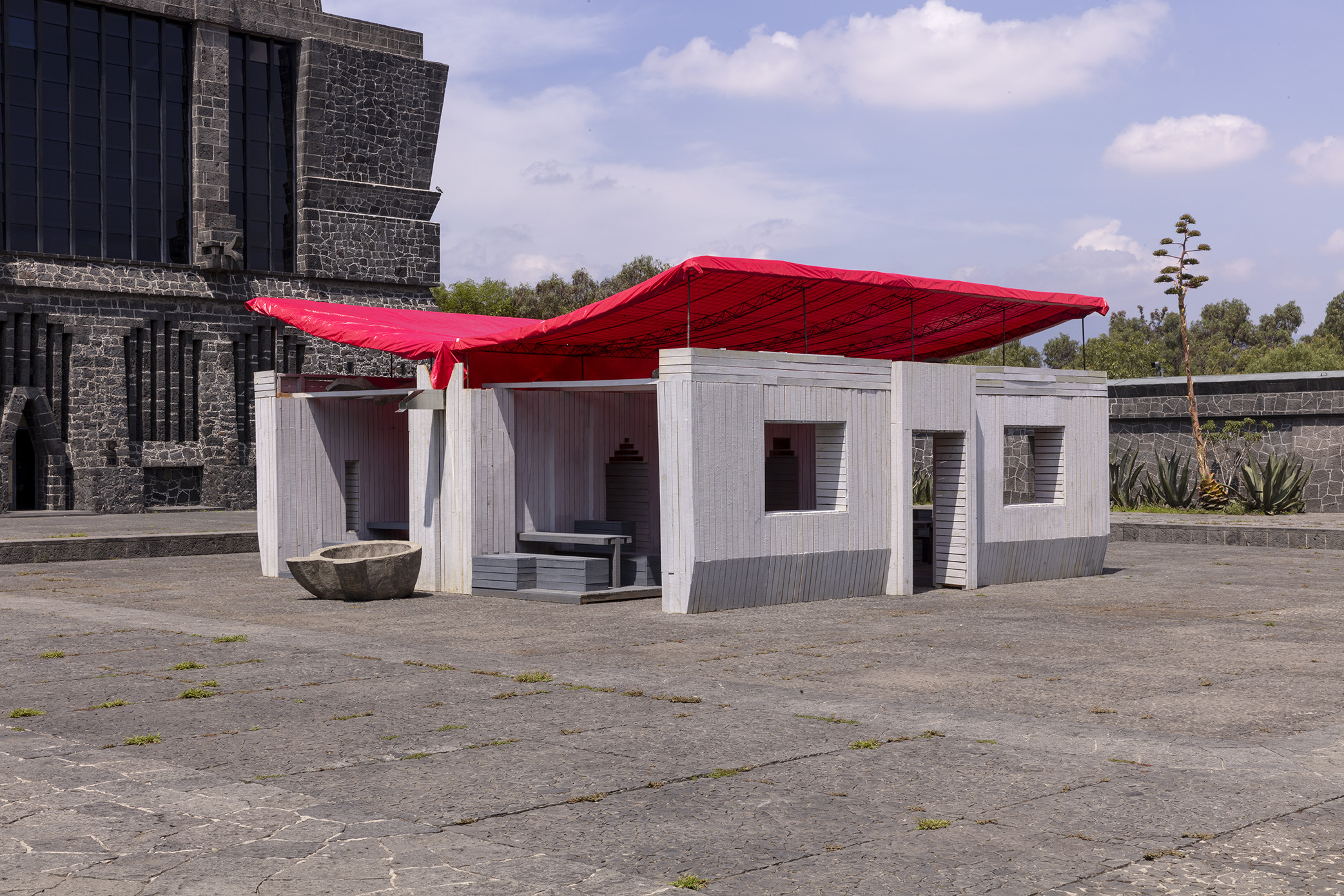
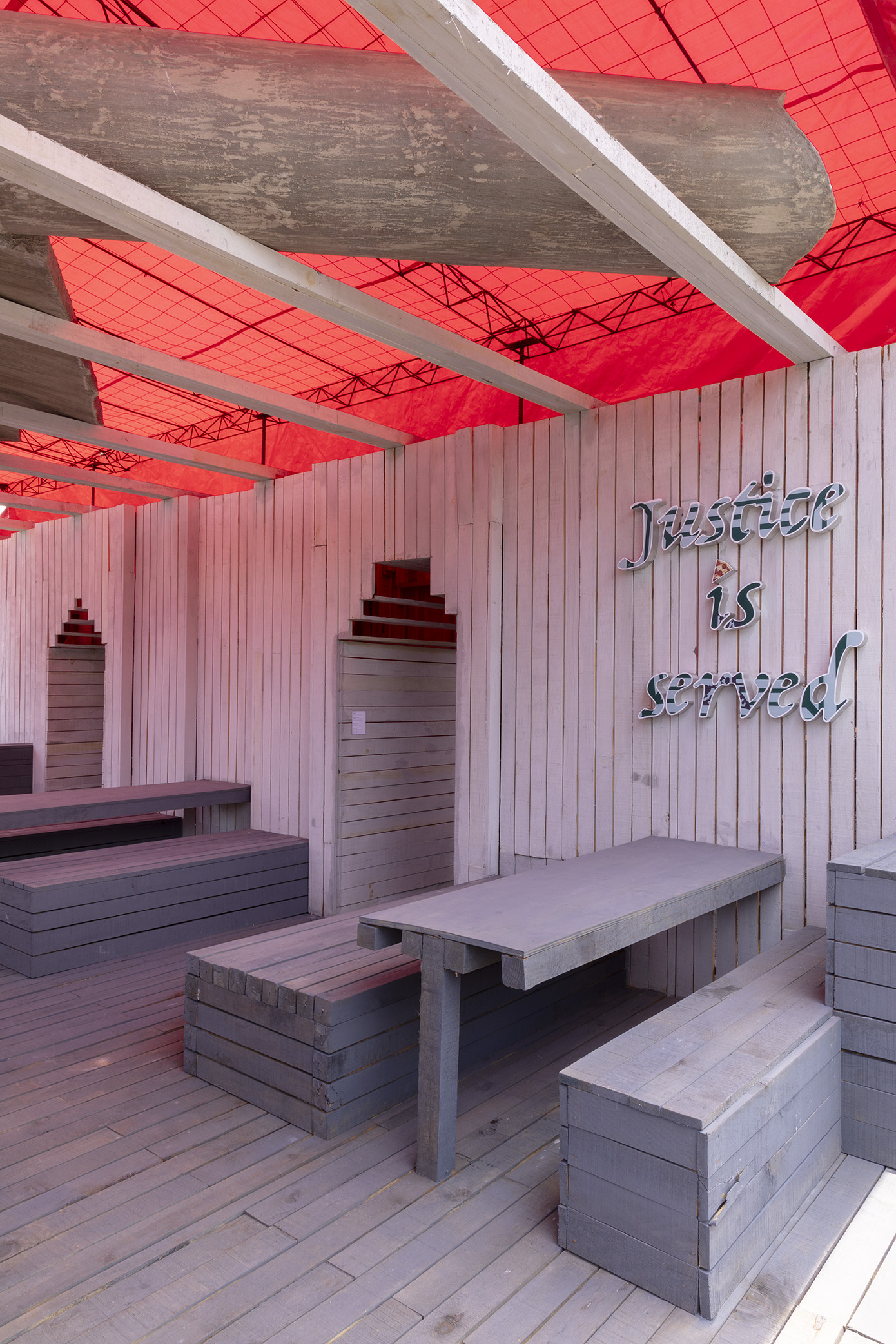
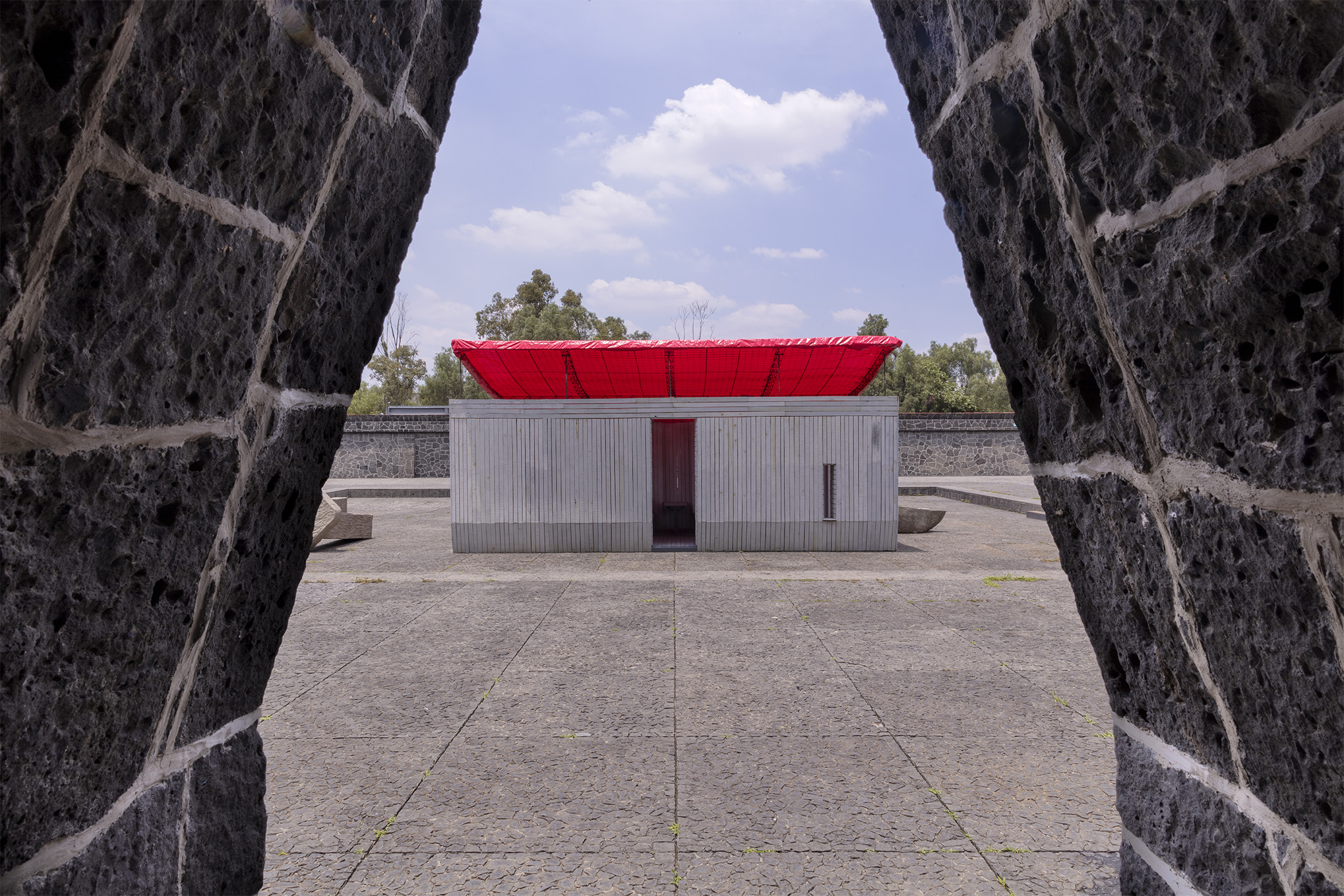
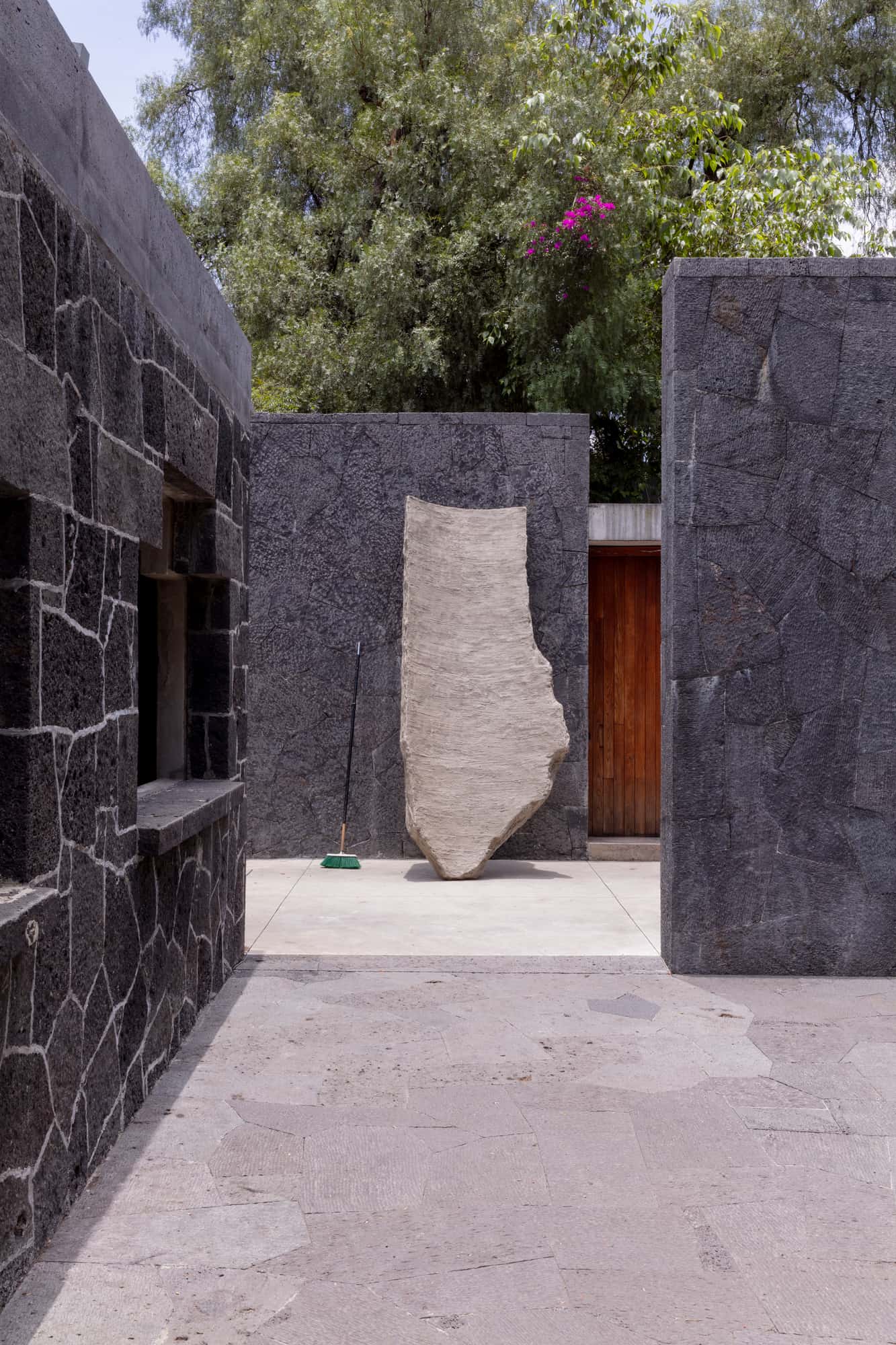
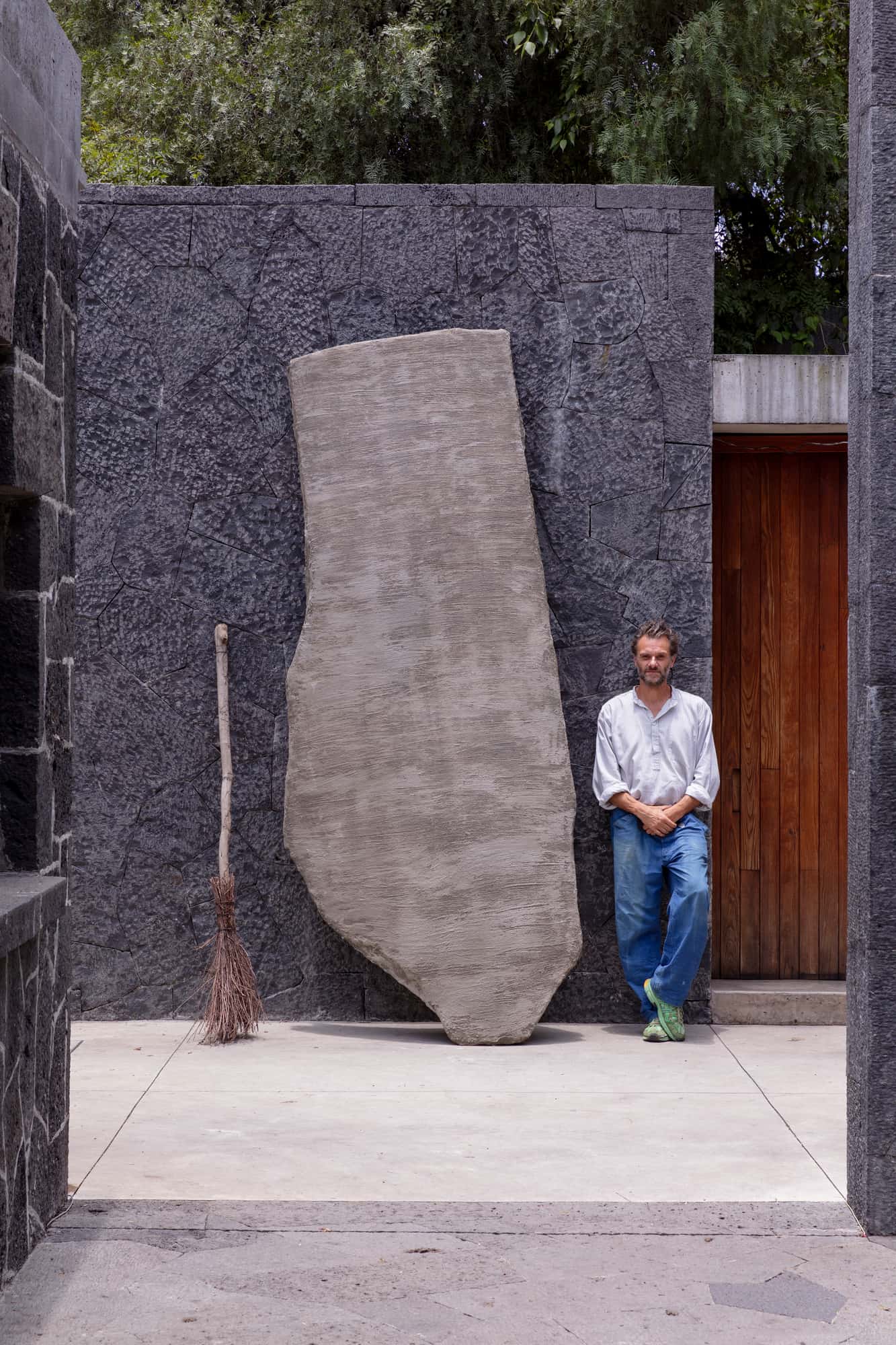
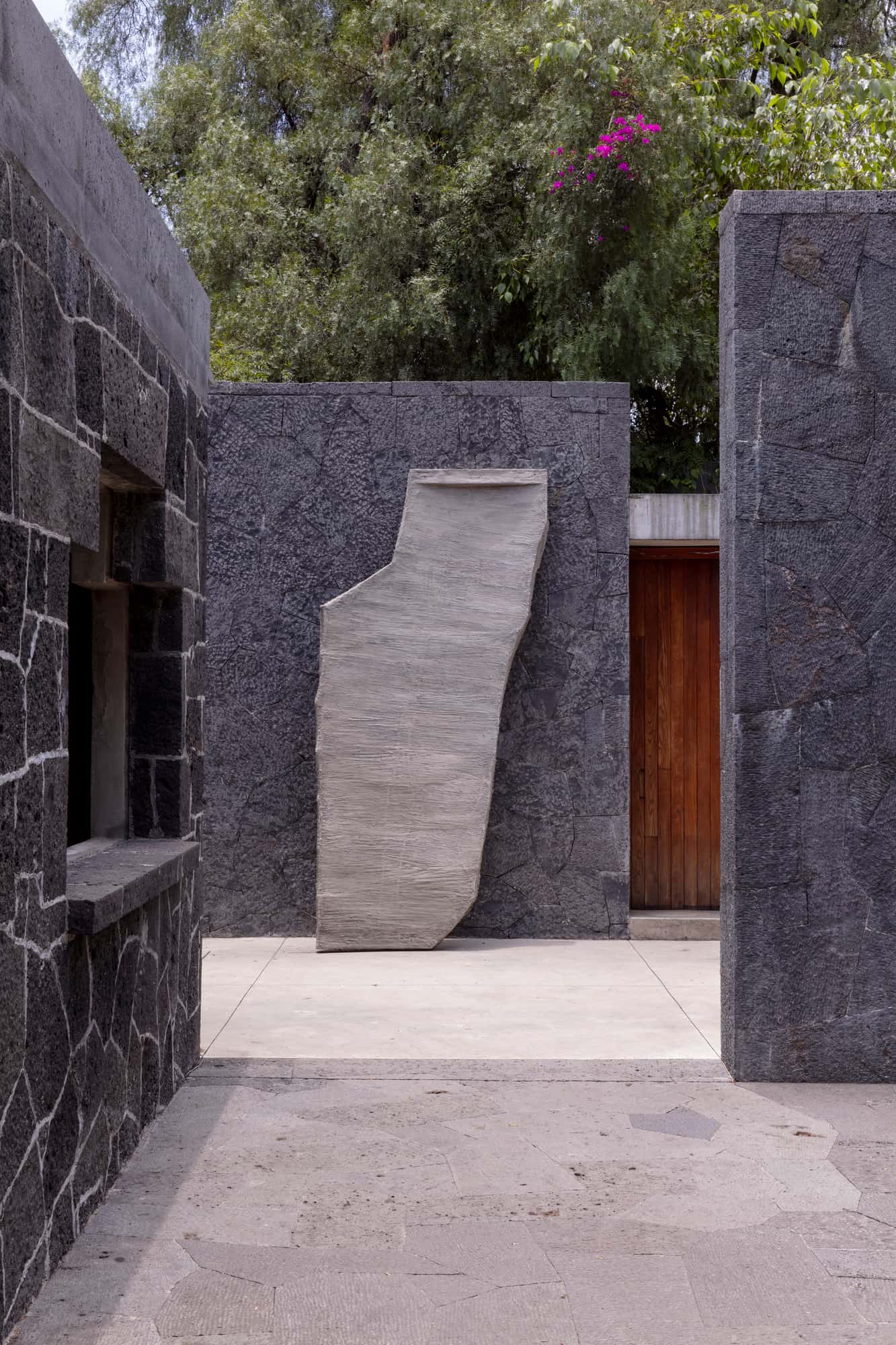
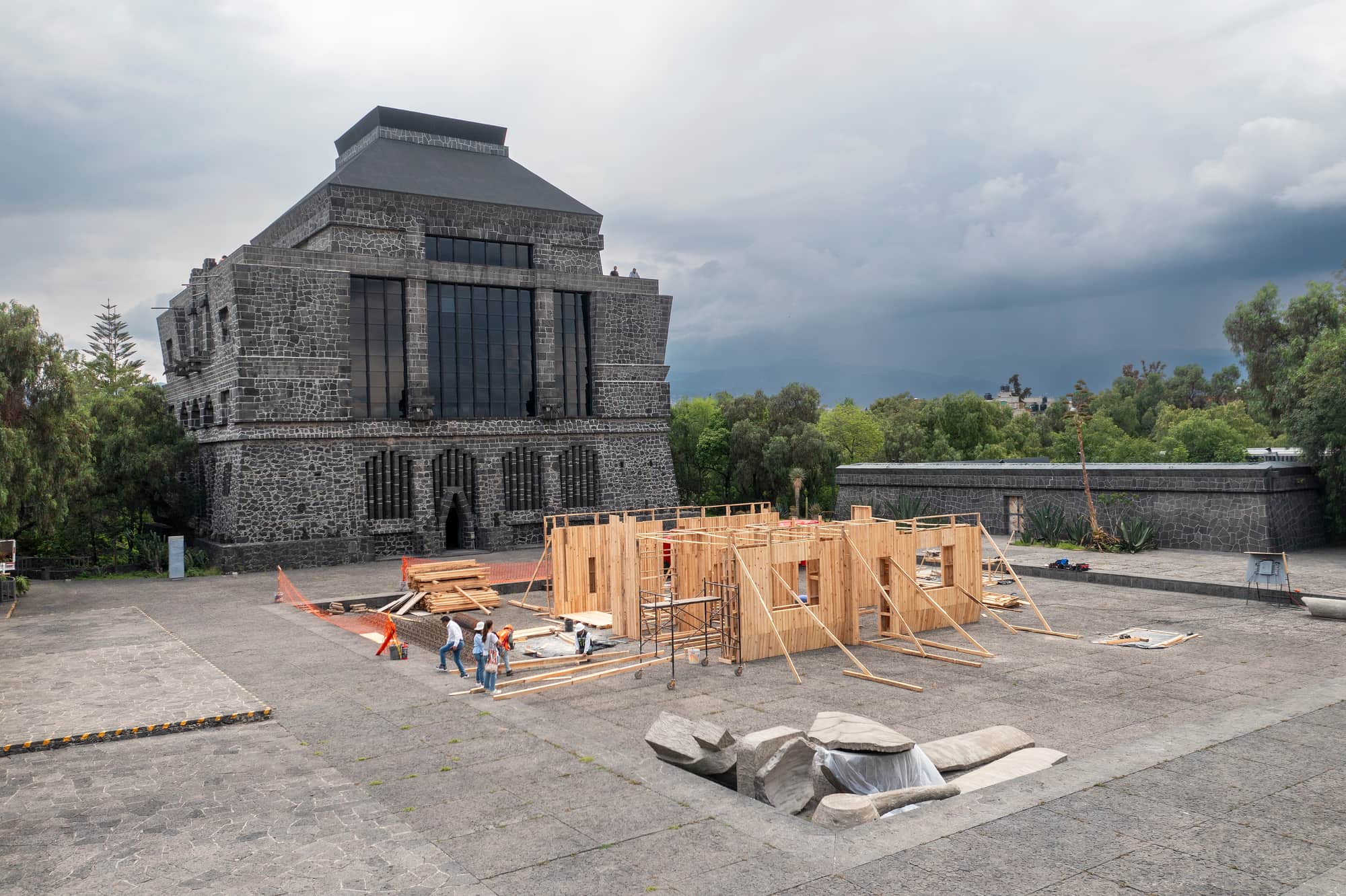
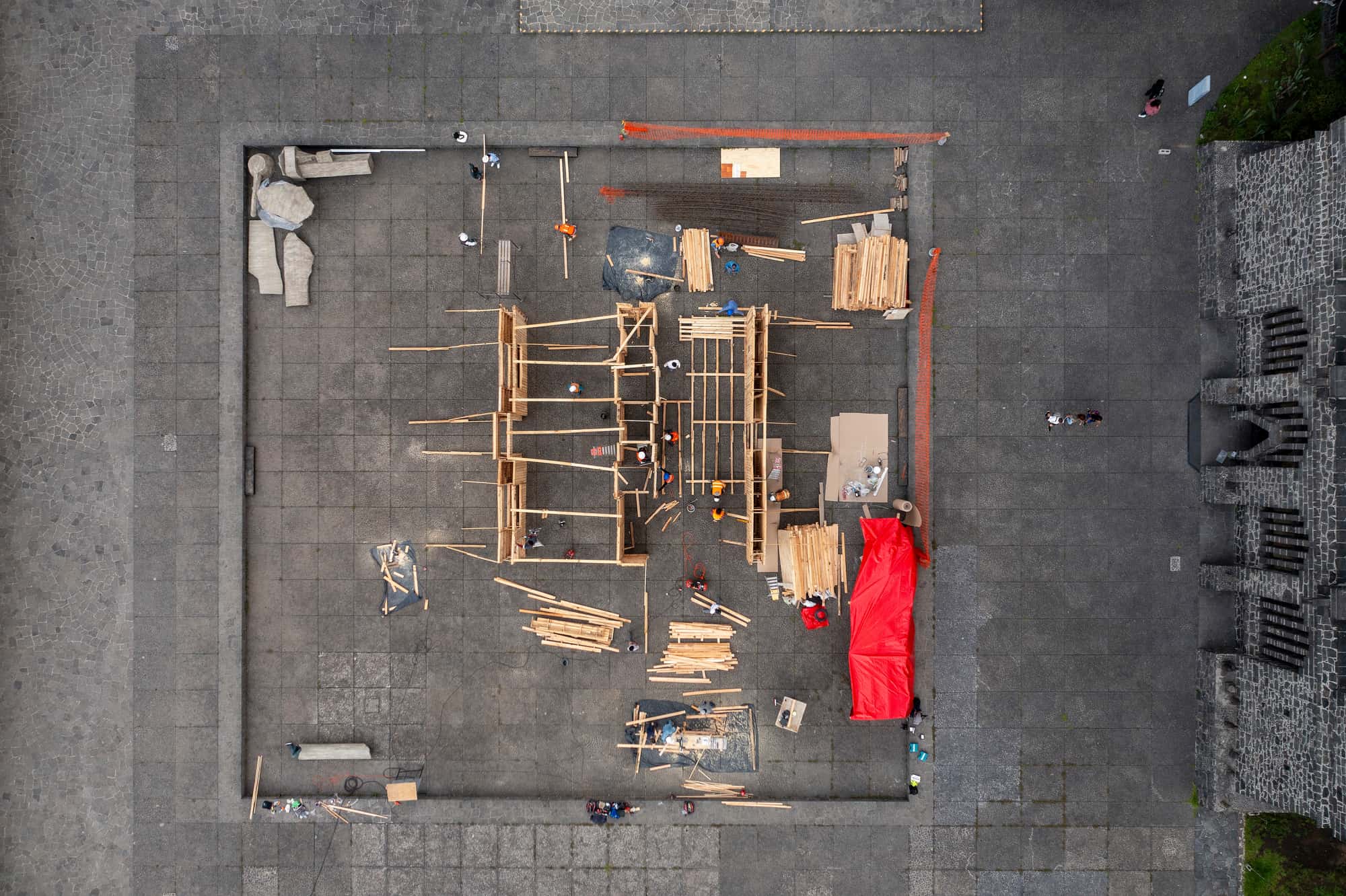
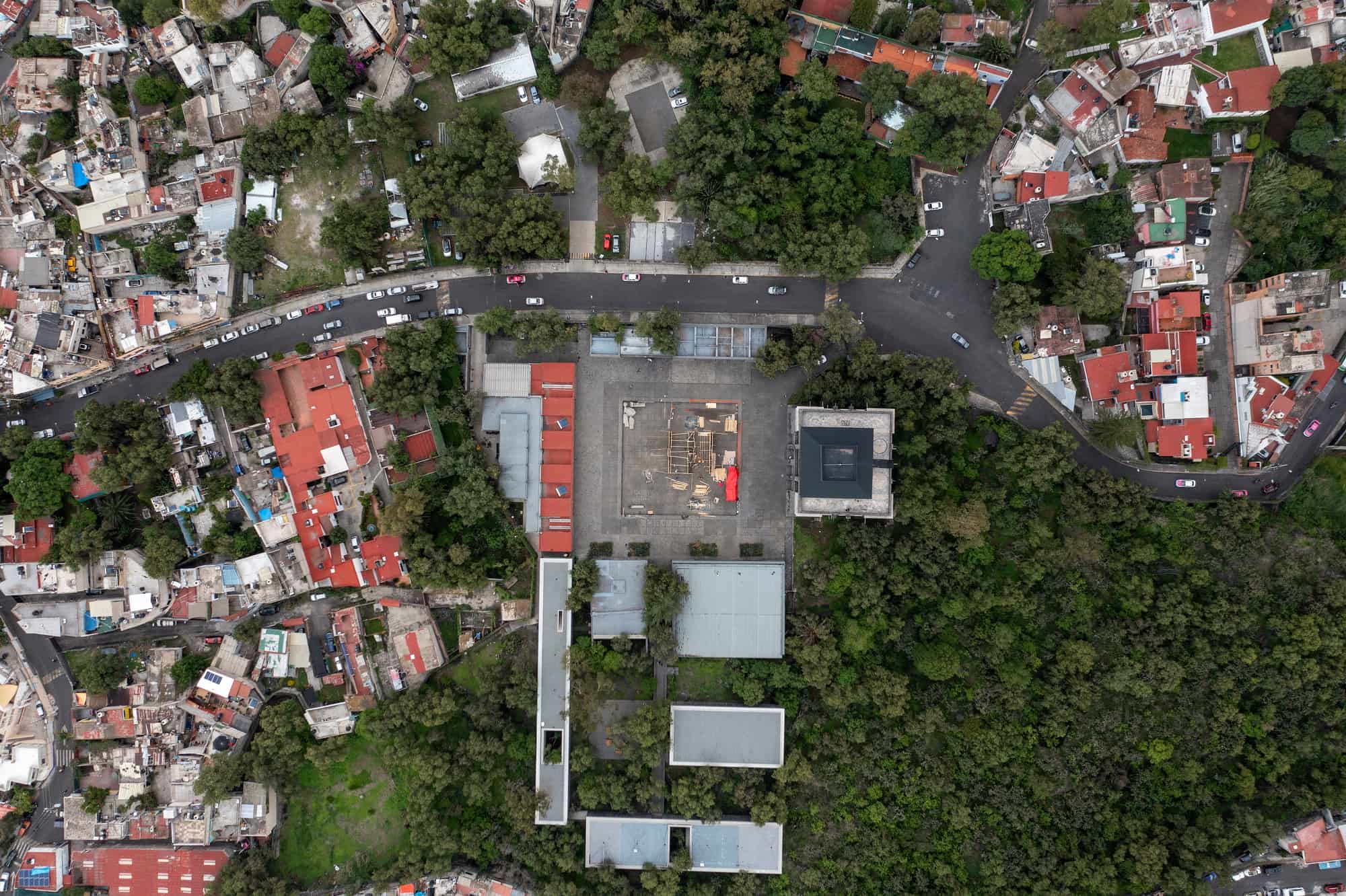
Conceived as a pavilion combining sculpture, architecture, and design, Abogado aims to create a space that stimulates reflections and discussions around the concept of Justice and the creation of laws as manifestations of social cooperation: a place to think about our coexistence in freedom under the law, as well as our ability to re-imagine and redesign a future based on our past and present, maintaining ourselves as a free society.
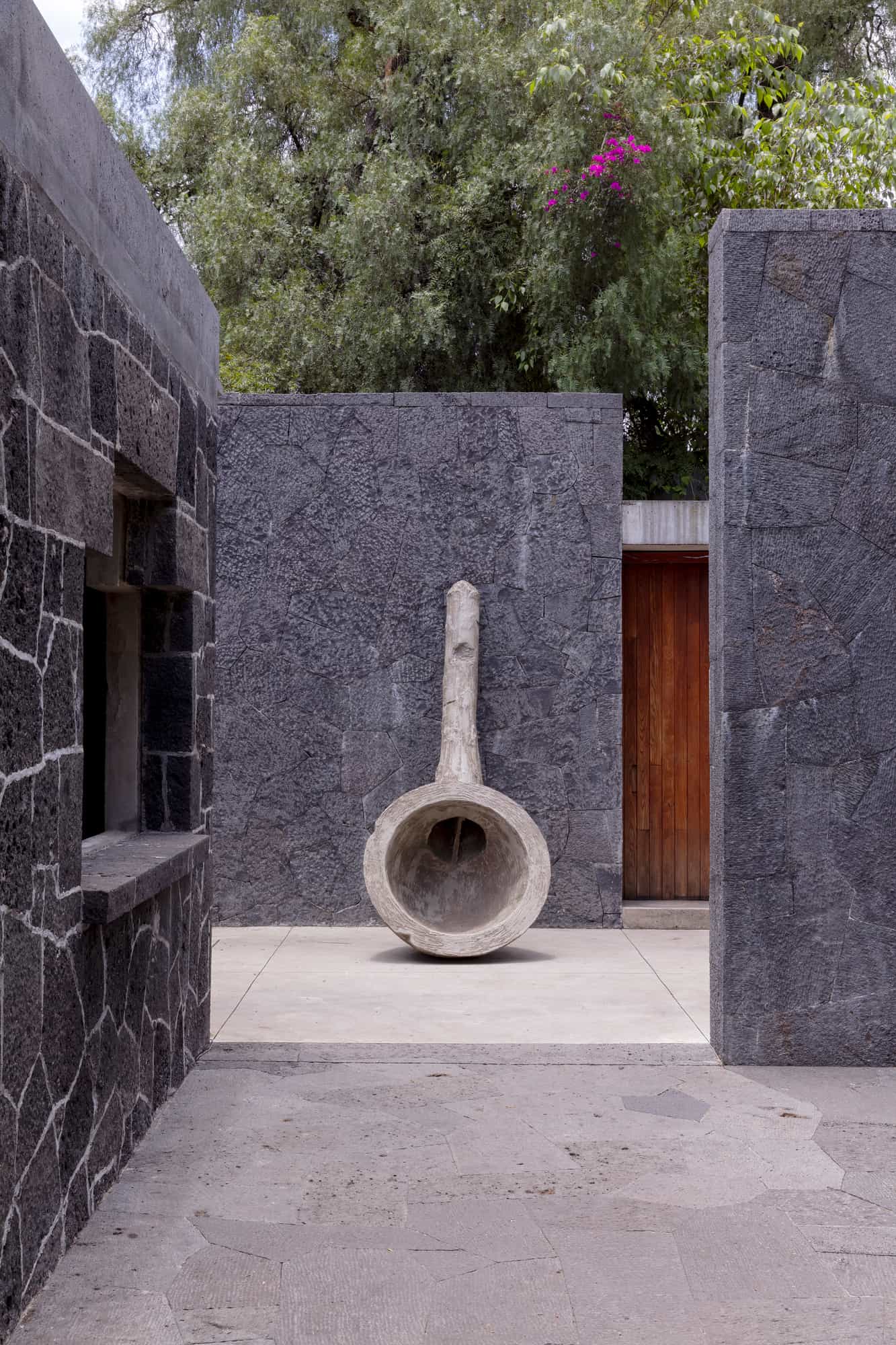
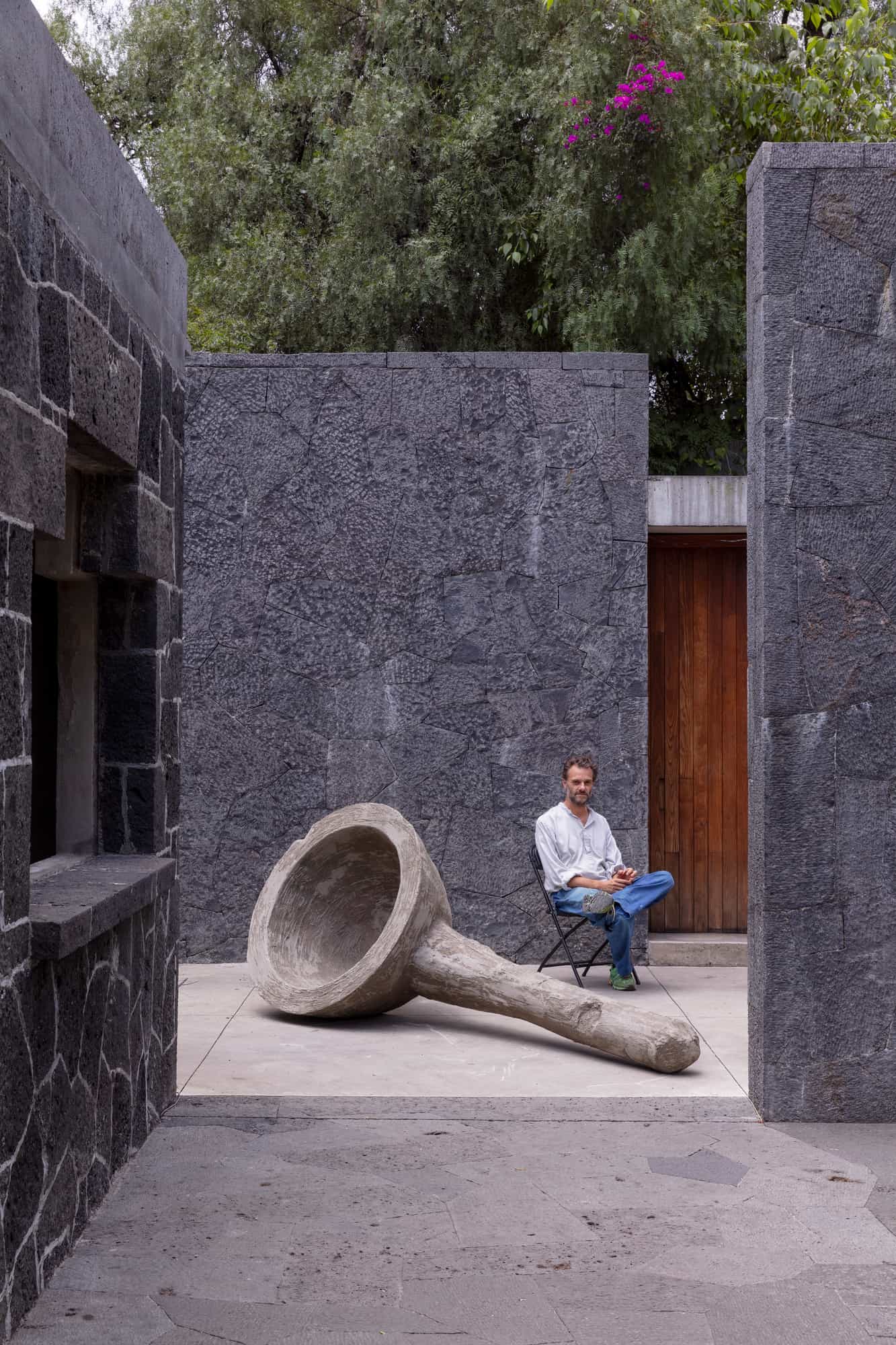
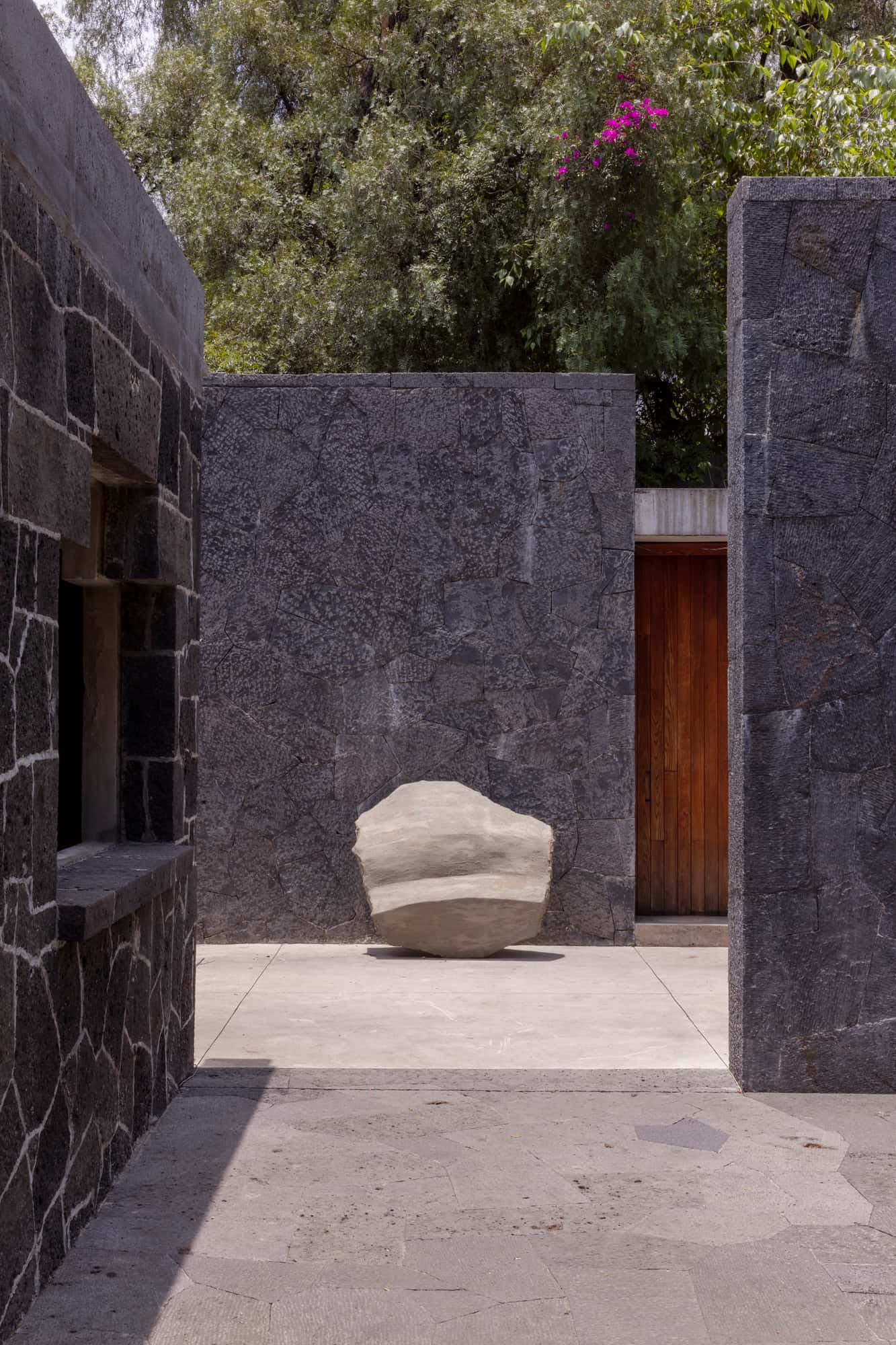
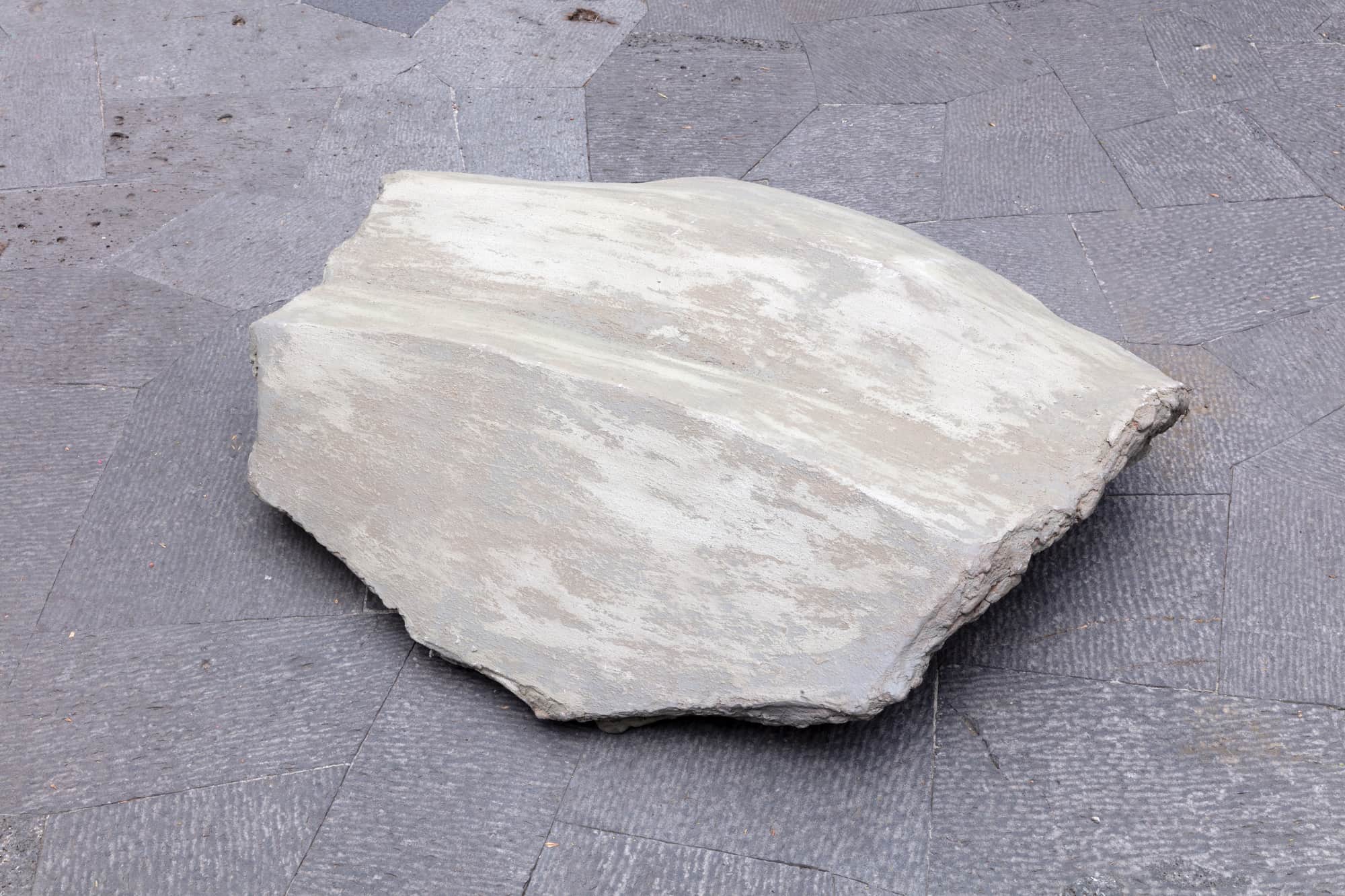
The pavilion is inspired by one of the multiple facets that the Anahuacalli project had in its origins, that of accommodating relevant themes and artistic and cultural expressions of the contemporary world, as well as bringing together different crafts and disciplines in one space. Architecturally, Abogado is conceived as a 10 x 10-meter plan volume that symbolizes the structure within which we organize ourselves as a society. Inside, it houses tables and a pizza oven, and has enough space to carry out activations through the public program and the presence of visitors. The pavilion is oriented in the space in relation to the Anahuacalli museum building. The entrance of the pavilion welcomes the public entering the esplanade, and the exit coincides with the main entrance of the museum, connecting both buildings. The roof of the pavilion is composed of magnified fragments of Mesoamerican pieces belonging to the Anahuacalli museum collection, integrating the history of the place and the original vocation of housing Diego Rivera’s collection. As in most of FOS’ works, this space conveys the history of the place through signs and references. The piece representing the fragment of a flute contains a sound piece by the multidisciplinary collective xpan, which is activated at different times of the day and was made specifically for Abogado.
During activation hours, pizza is served to the public. Pizza has various connotations, including the fact that among the many types of popular food, pizza is the most common and perhaps the first globalized food of the modern era. It is also considered a democratic food, as it is eaten collectively, addressing the fact that people have diverse interests when eating.
This intervention represents a continuation of FOS’ practice of social design, where architecture, design, art, and various social phenomena are taken out of context and gain meaning through participation and the diverse ways in which the public uses the space. With this project, FOS opens up possibilities for different situations to coincide under the same space, provoking spontaneous and unexpected forms of social interaction.