
A collaboration with UNNO Gallery for the exhibition Reverberaciones, presented during Mexico City’s Art Week 2024 at H116 Studio, alongside Max Cetto and Luis Barragán’s Building for 4 artists (1939). This project involved research into the history of the building and the main influences that shaped Porset’s iconic designs. We provided the curatorial text and international press release.
Mi espacio,
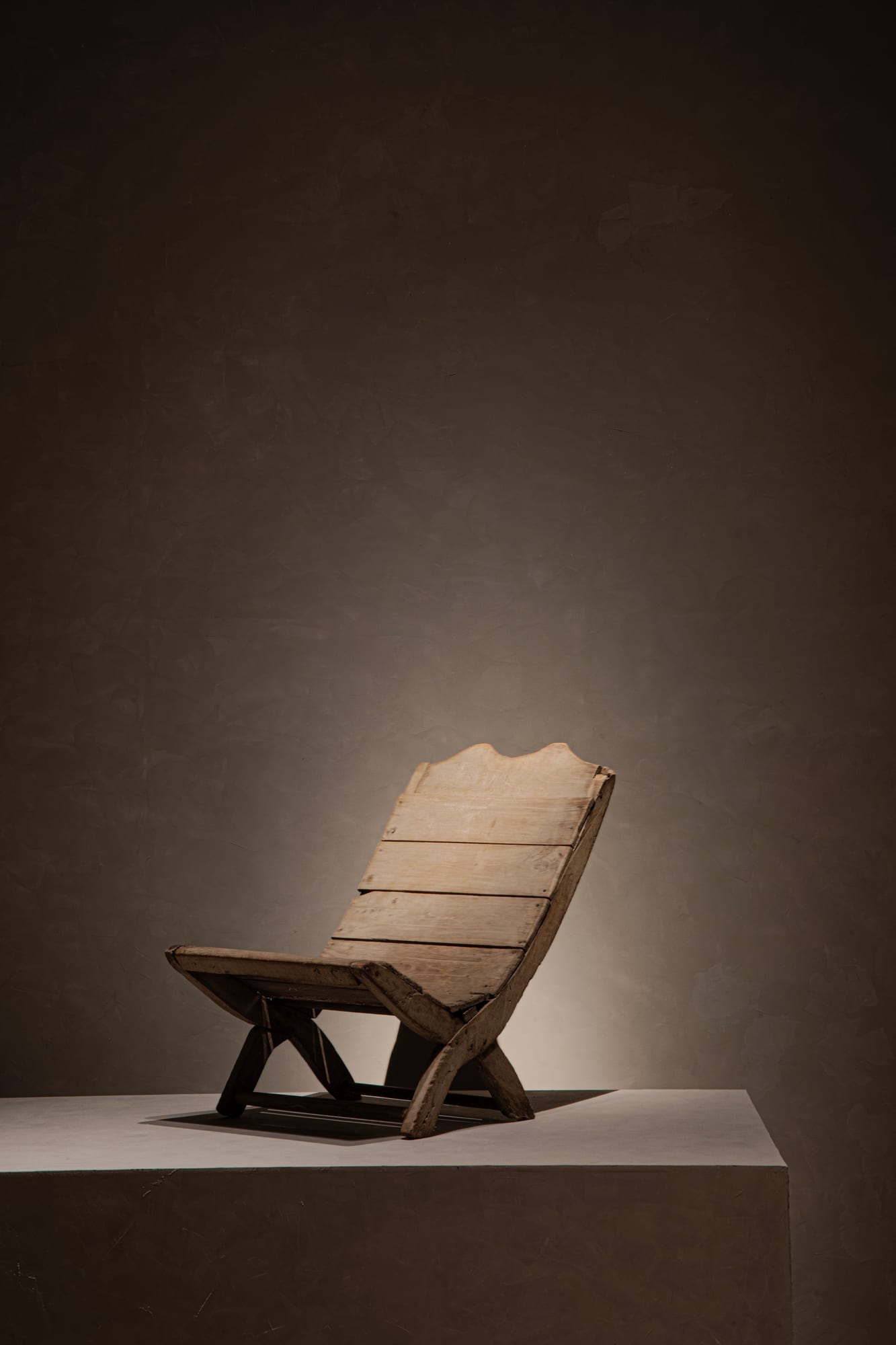
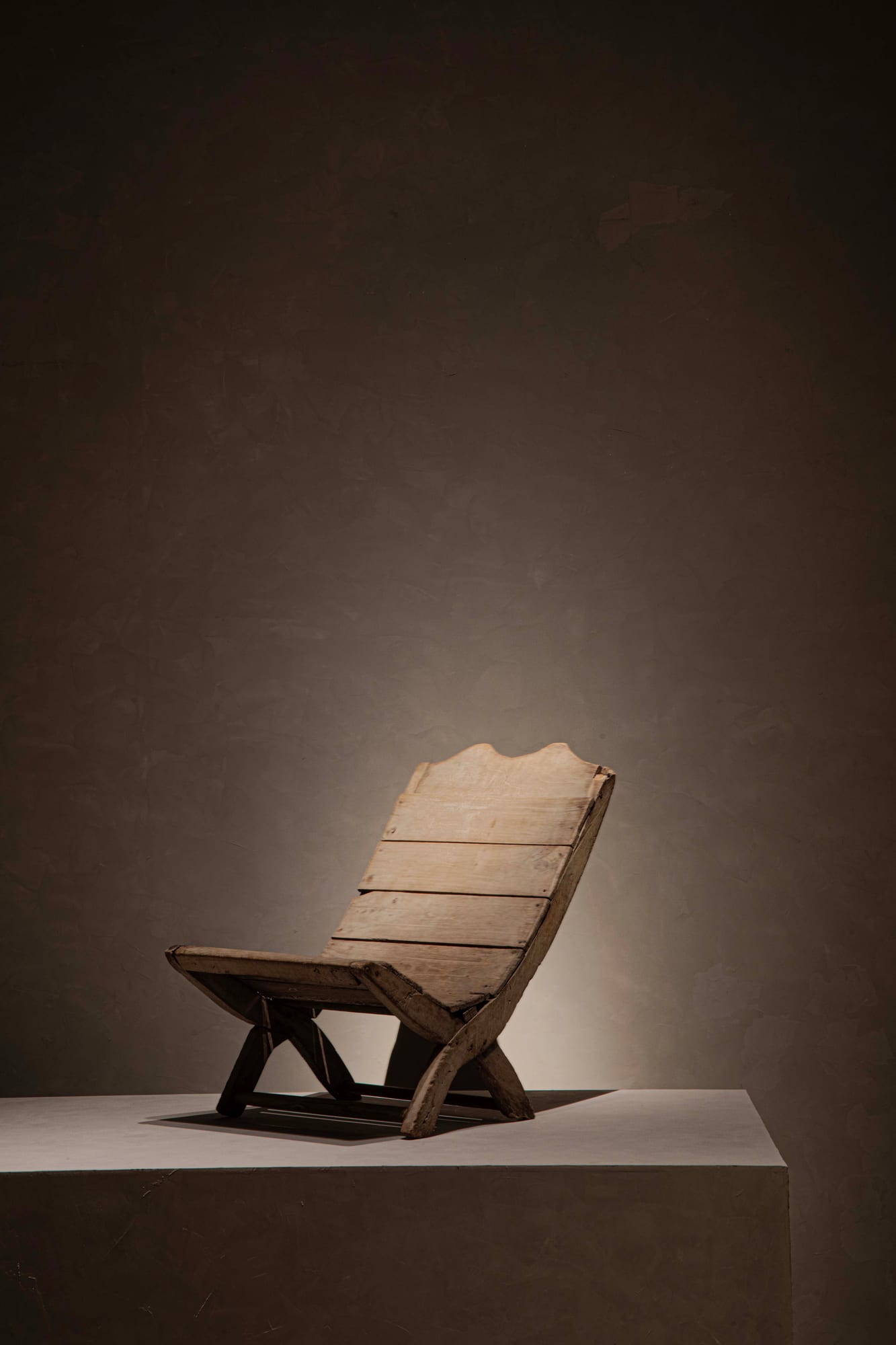
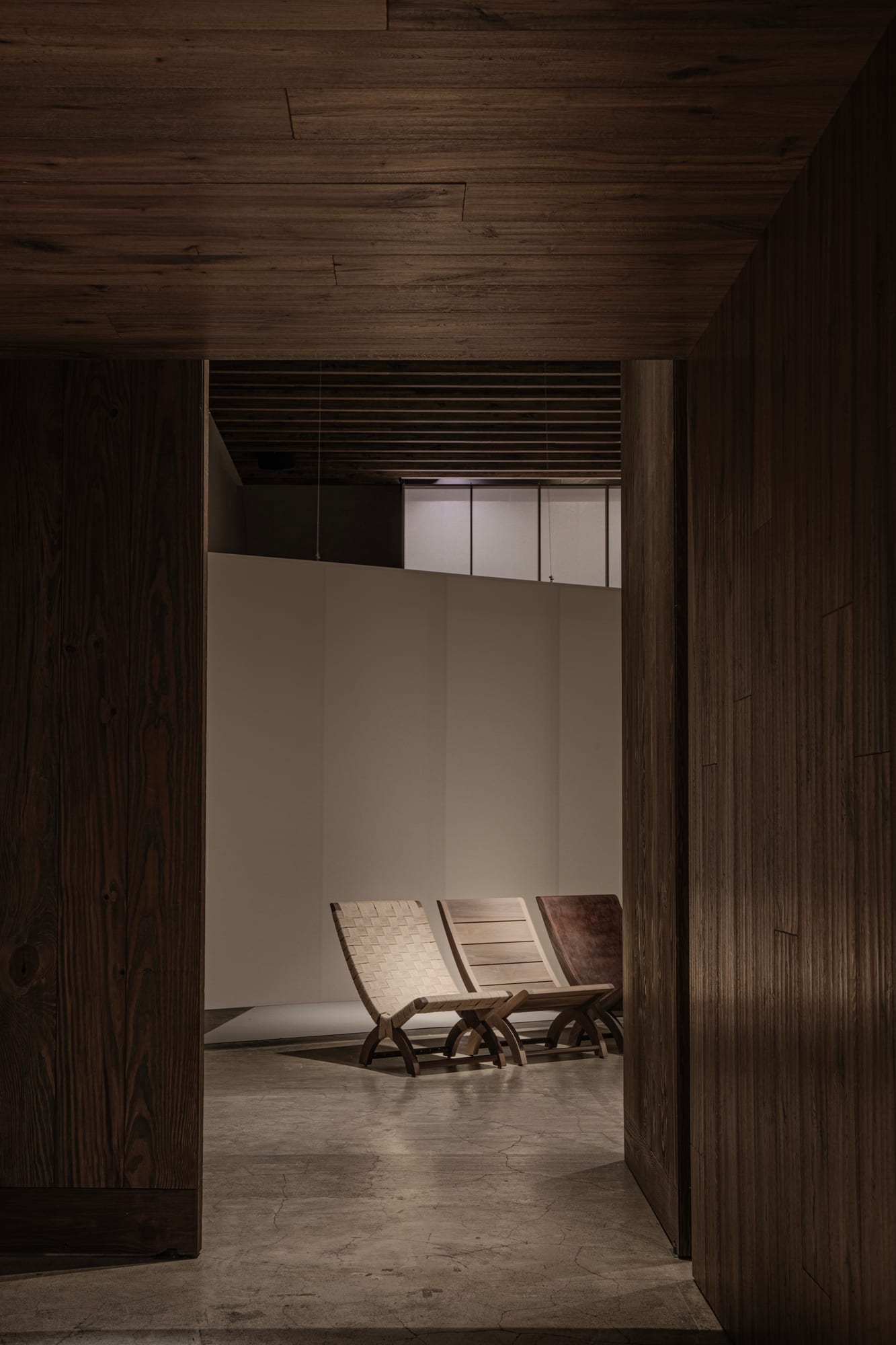
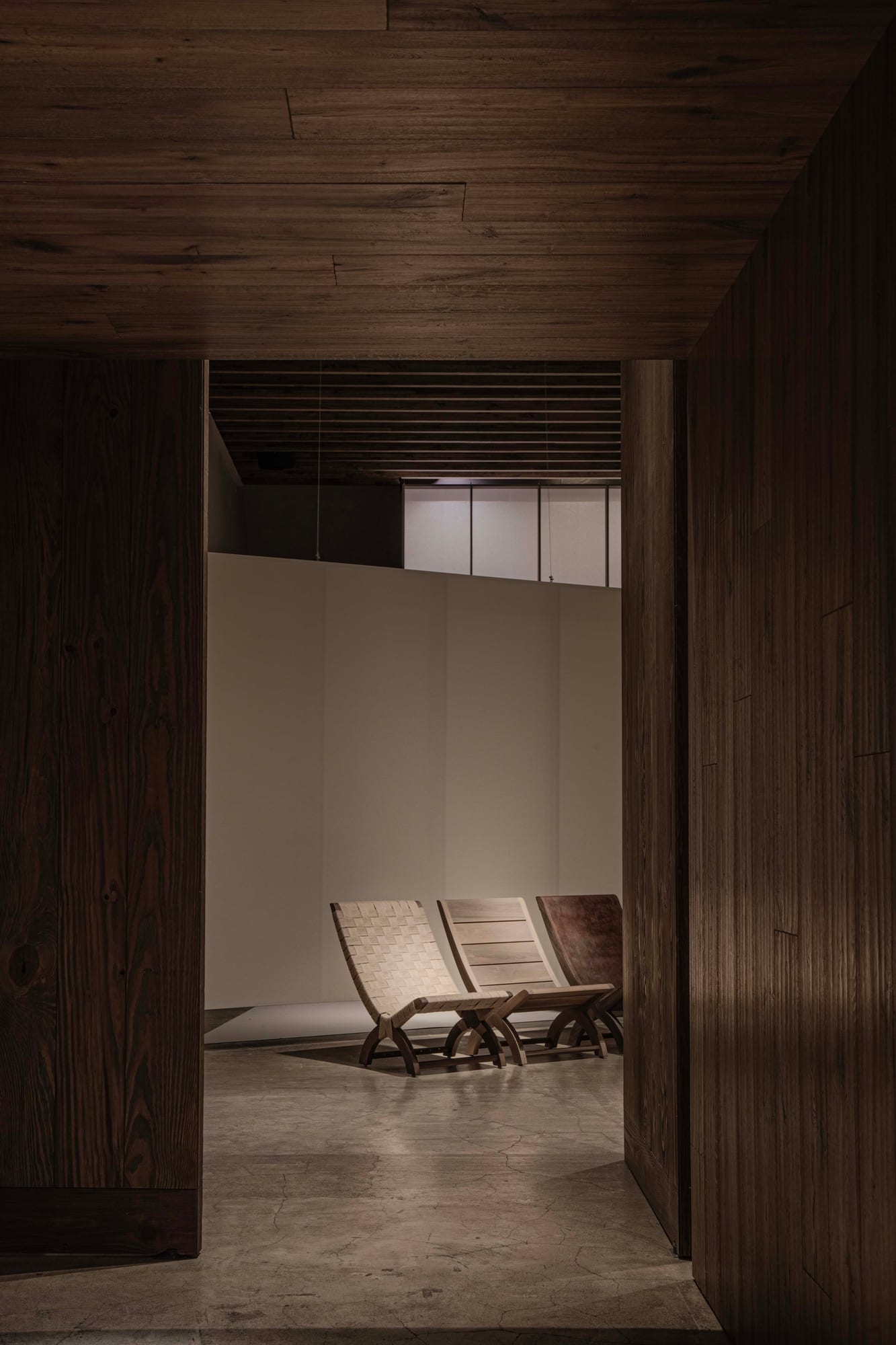
“[In Mexico], there is an extraordinary plastic heritage whose reverberations are continually perceived by those who are passionate about design, making us even more aware of its dynamic forces in motion.”
Clara Porset (1951)
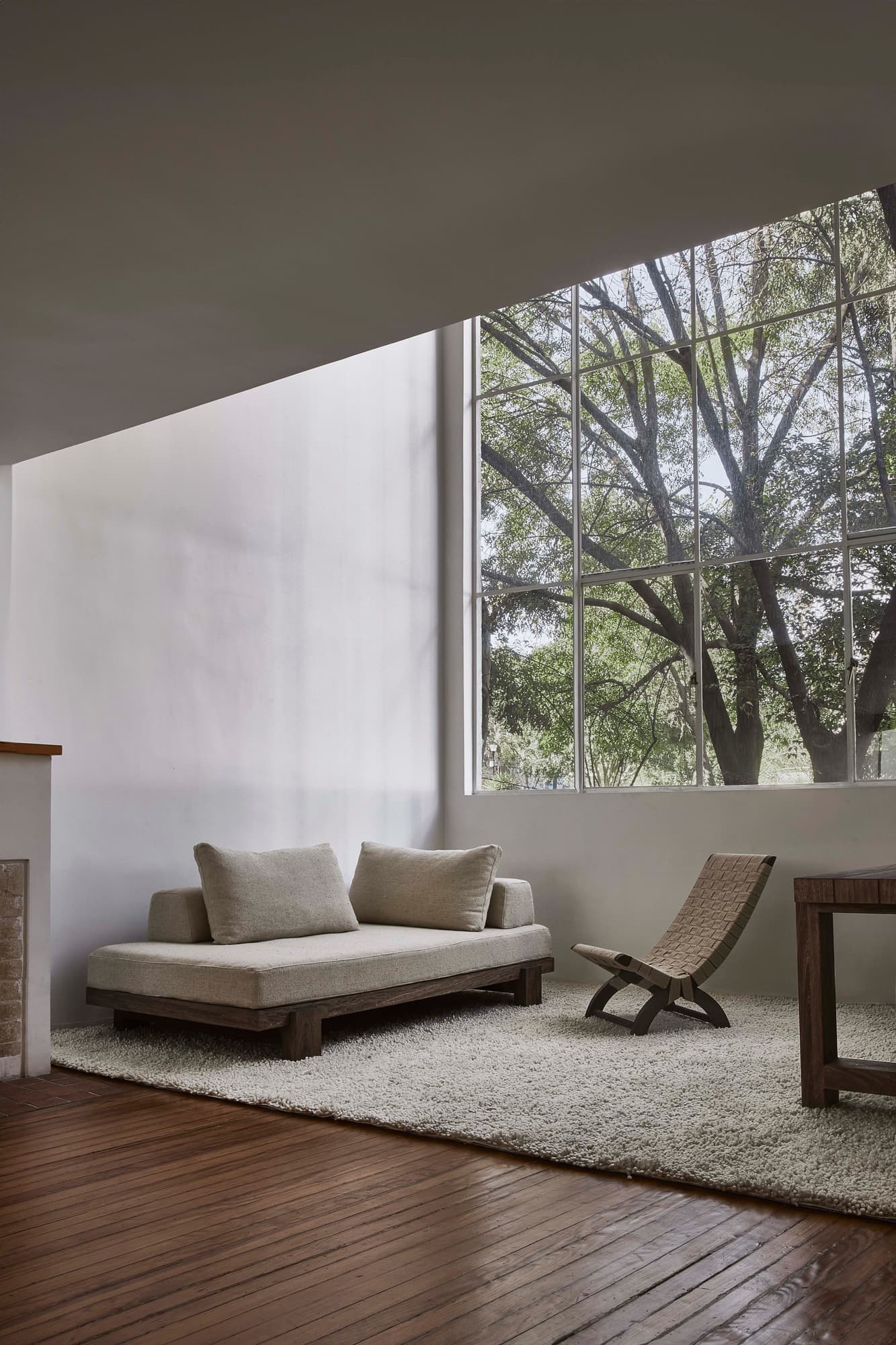
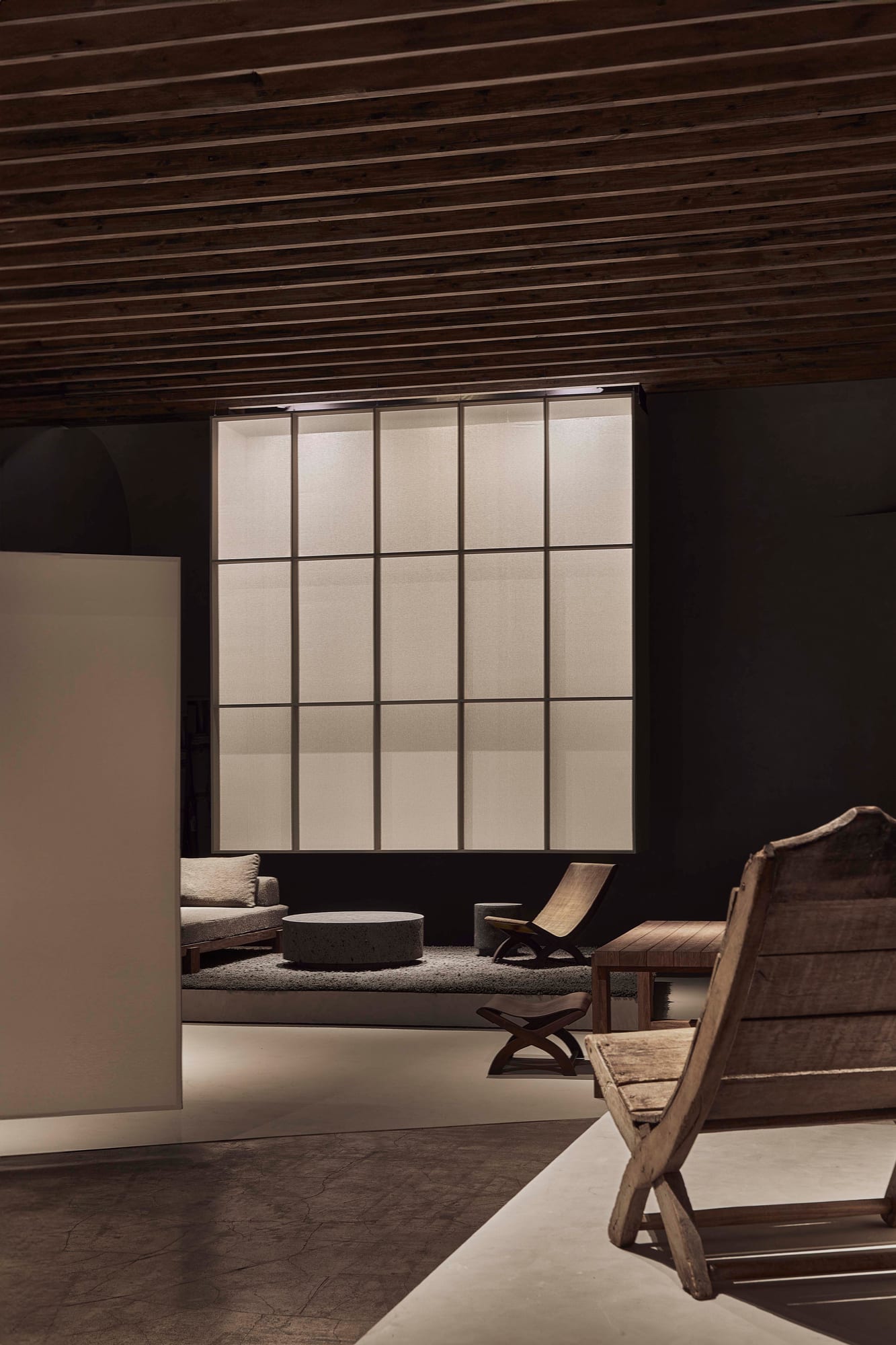
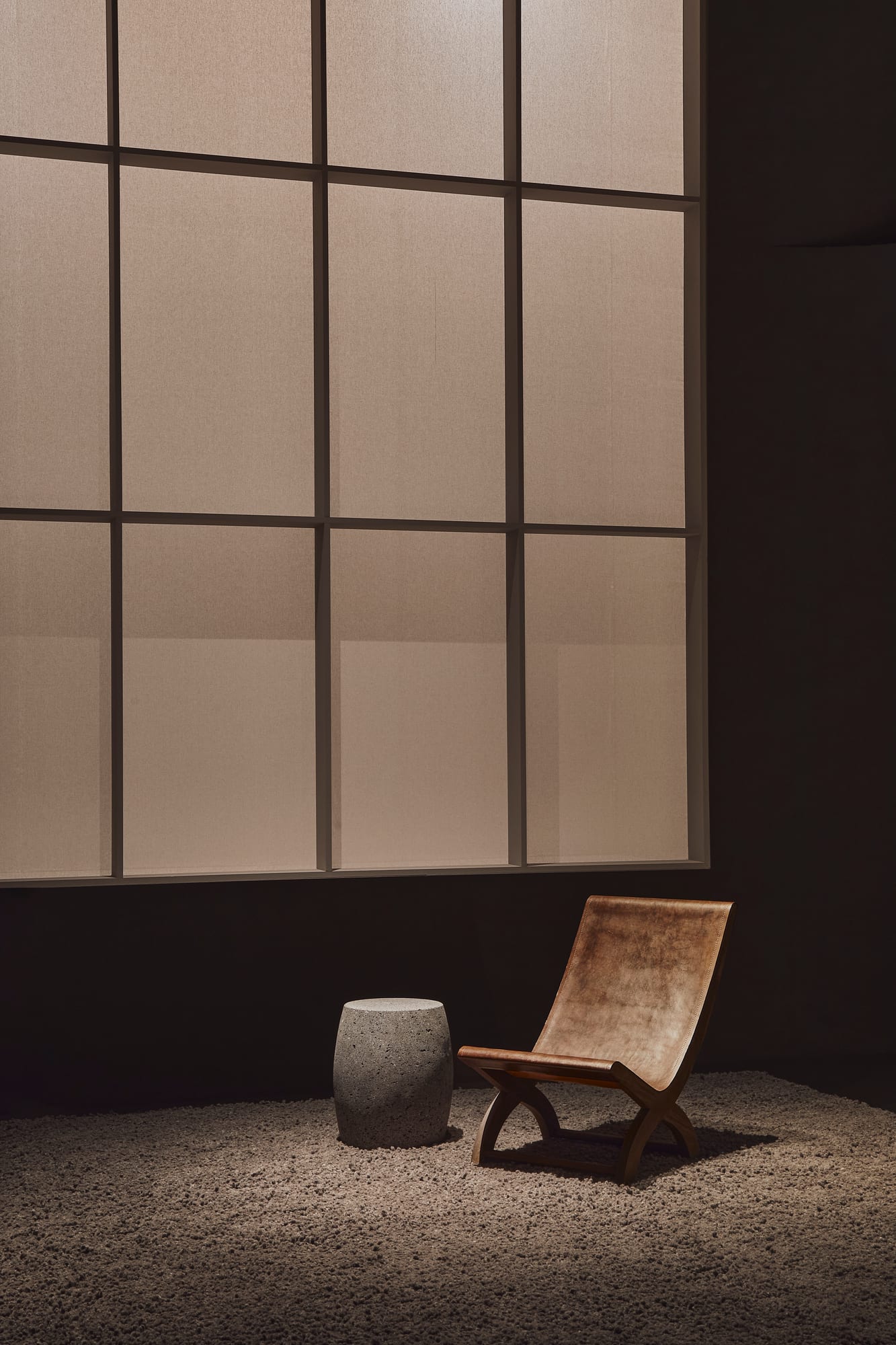
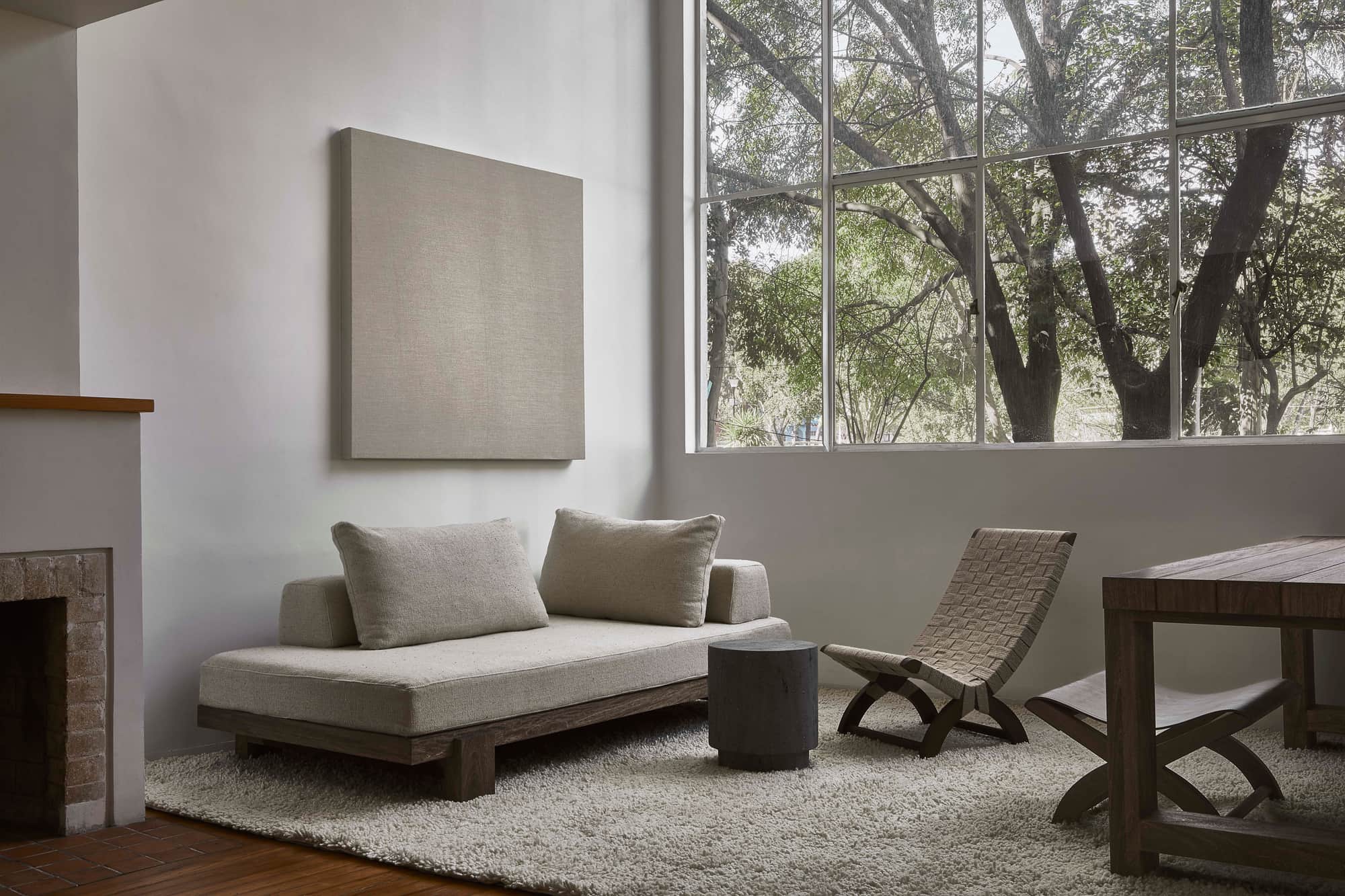
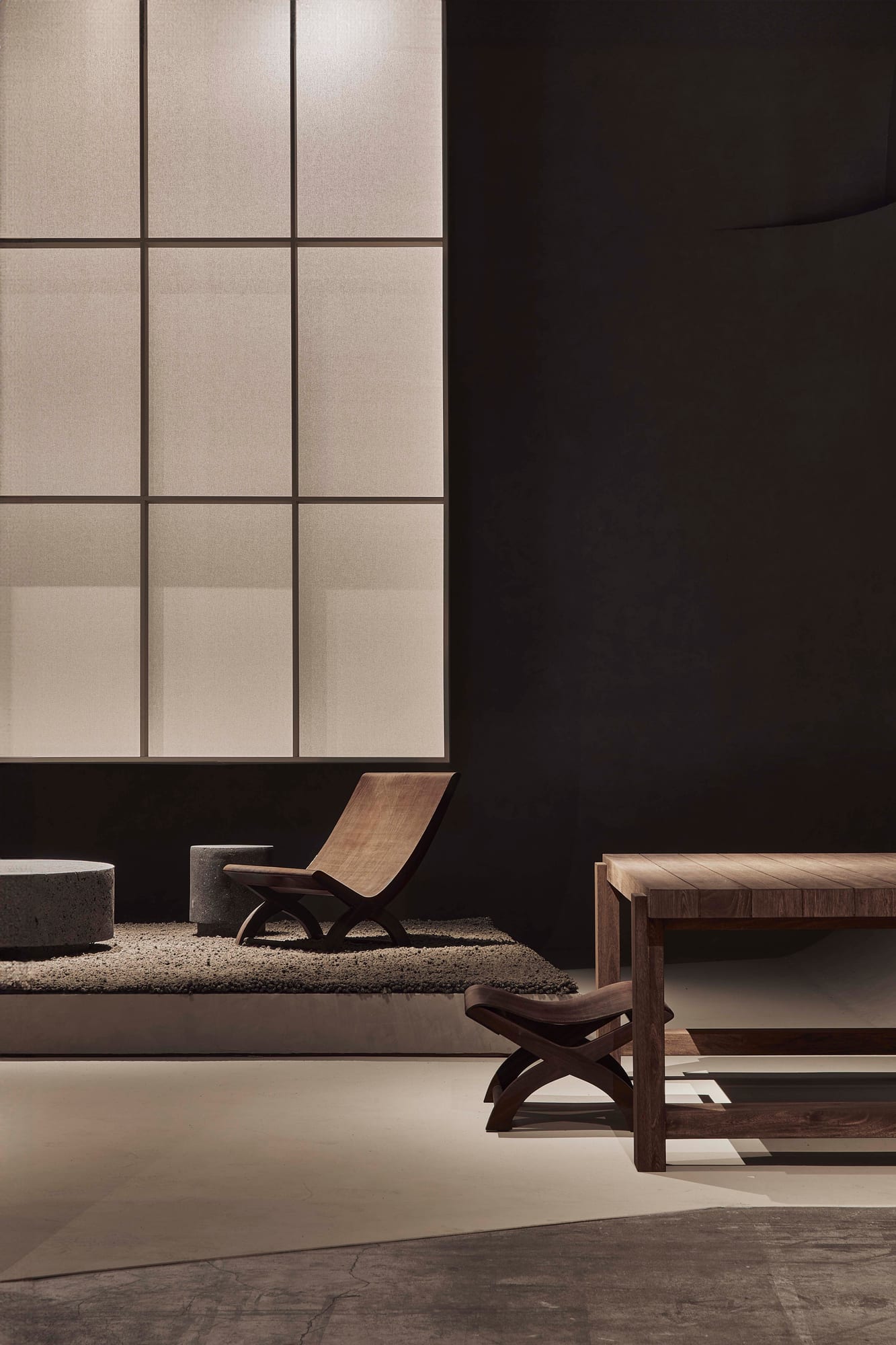
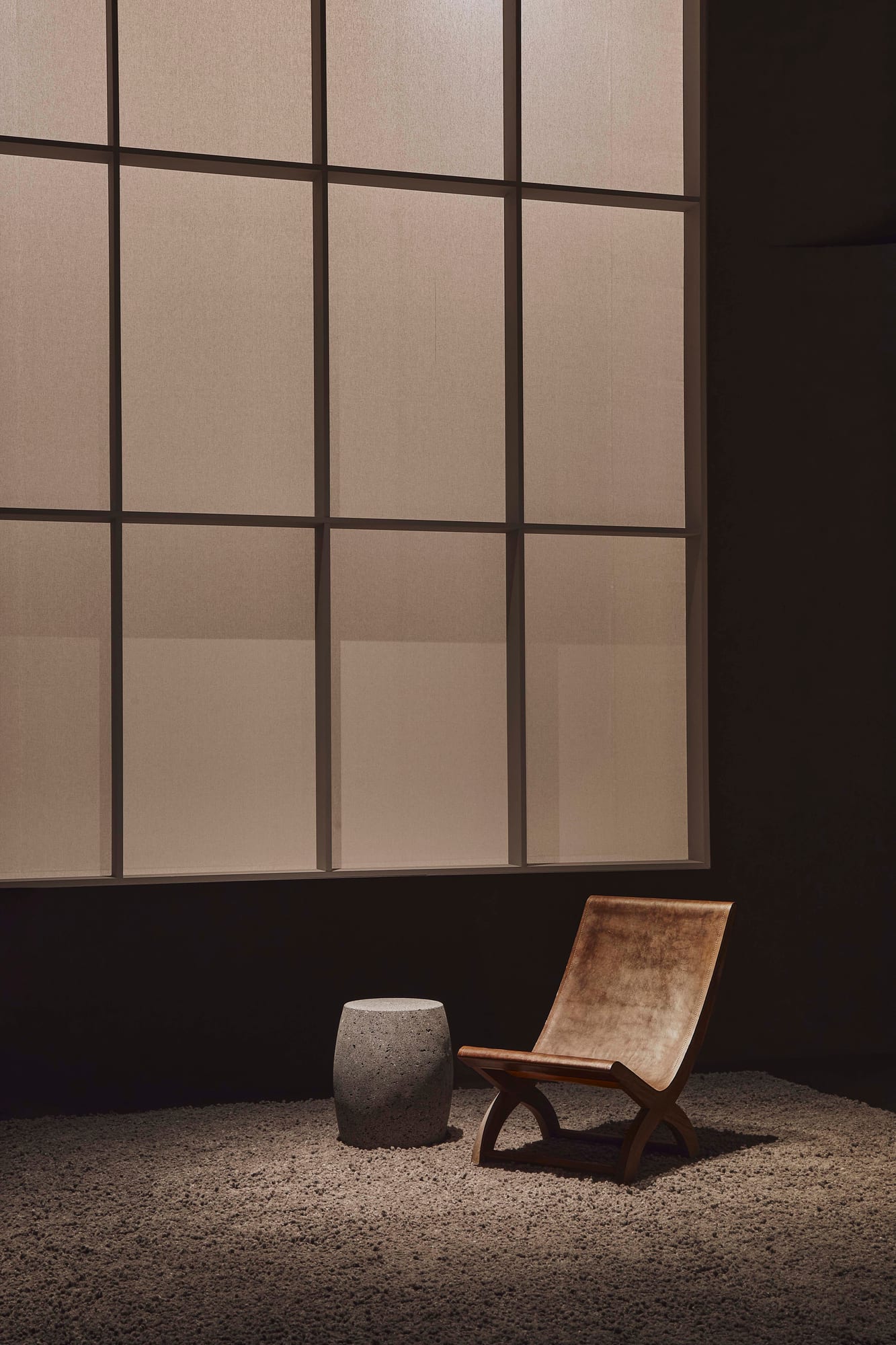
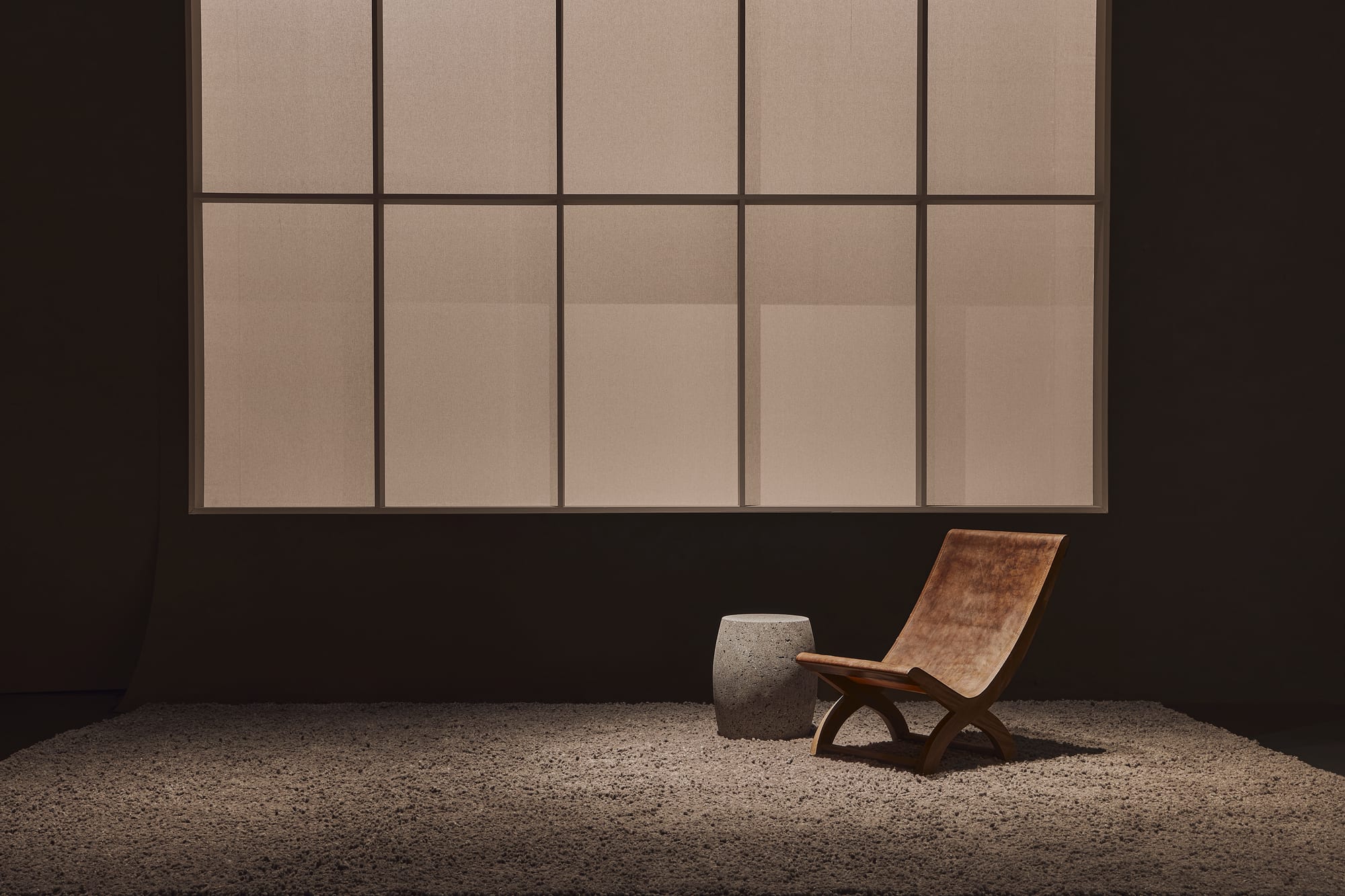
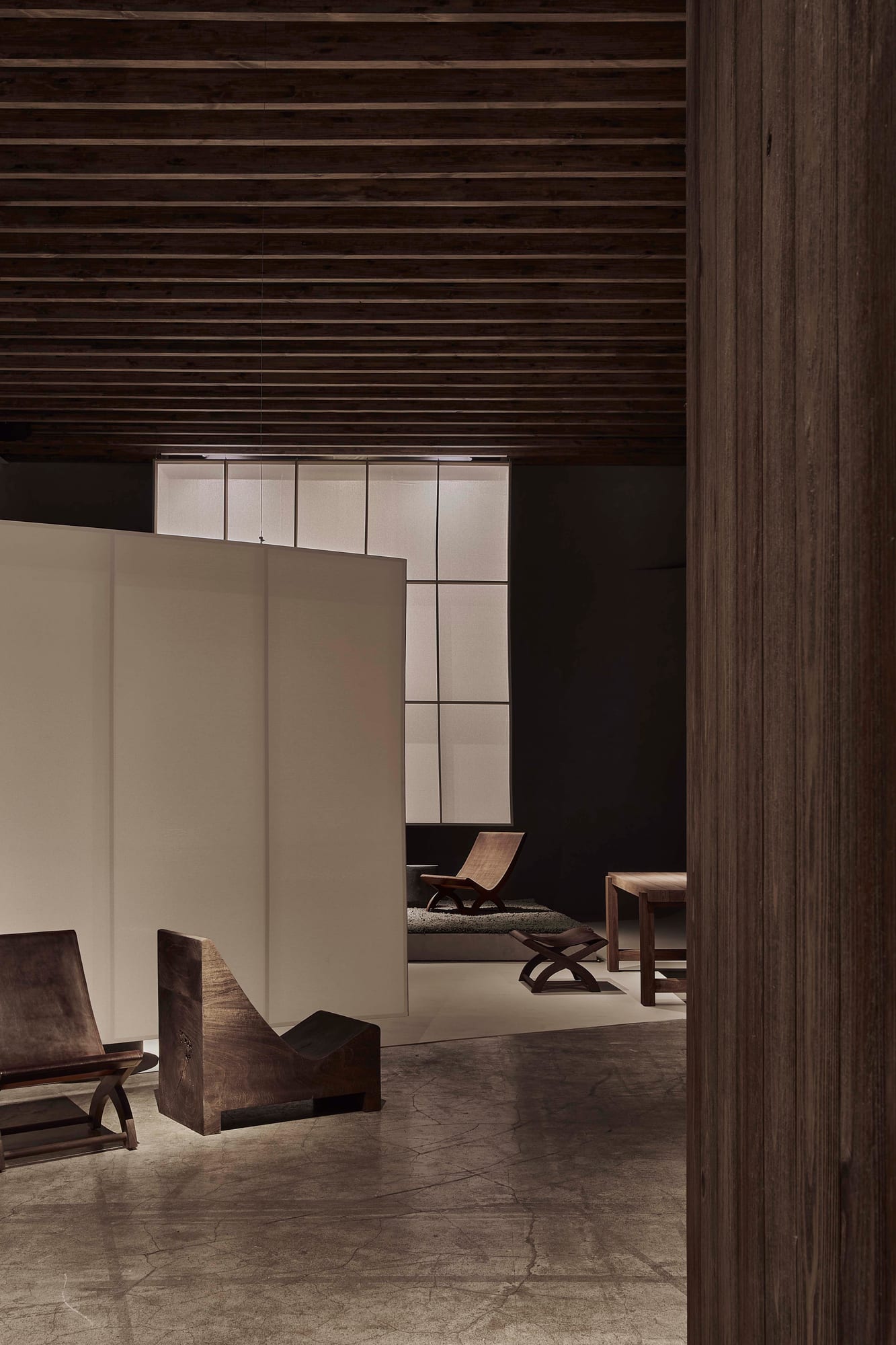
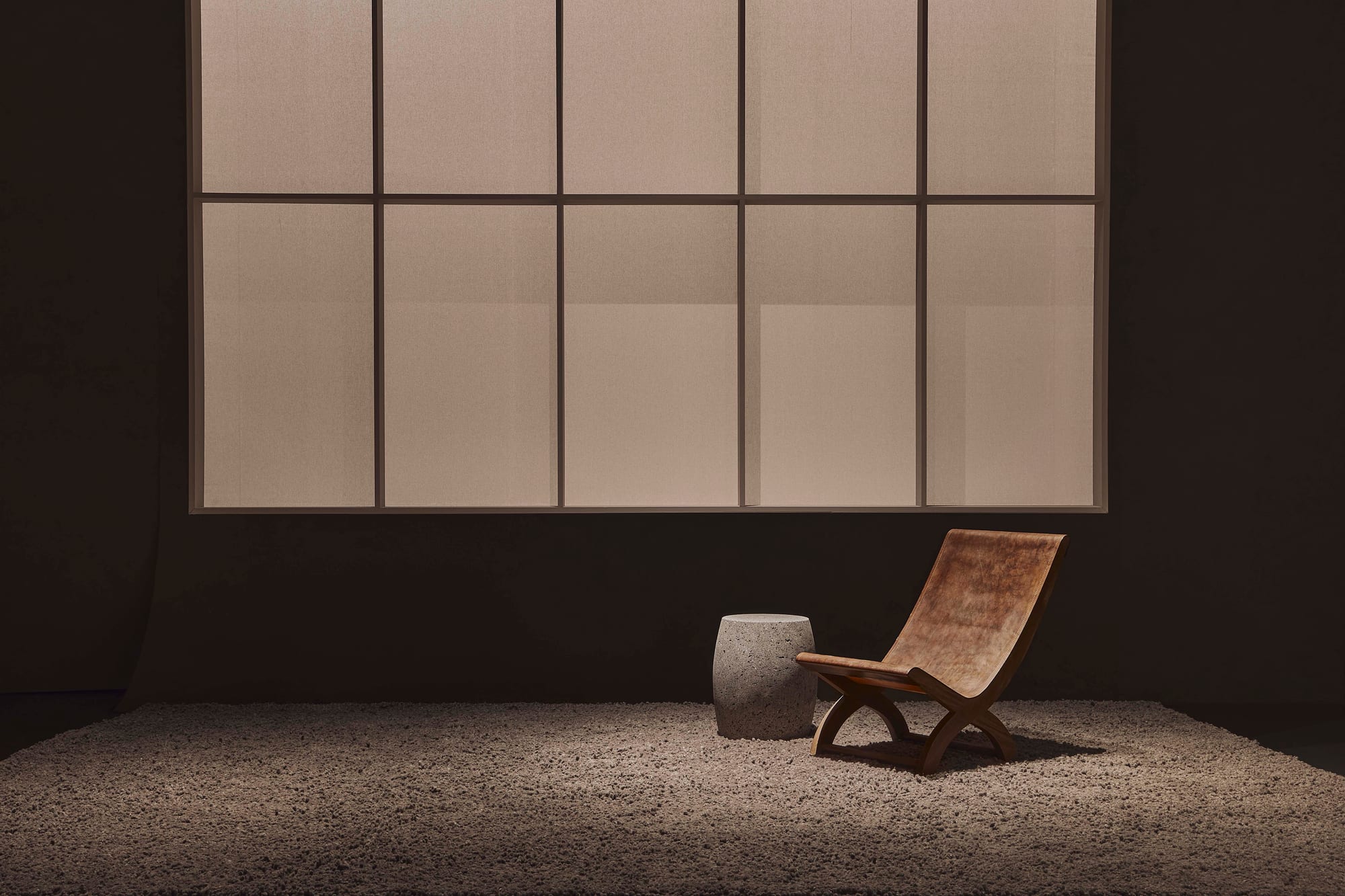
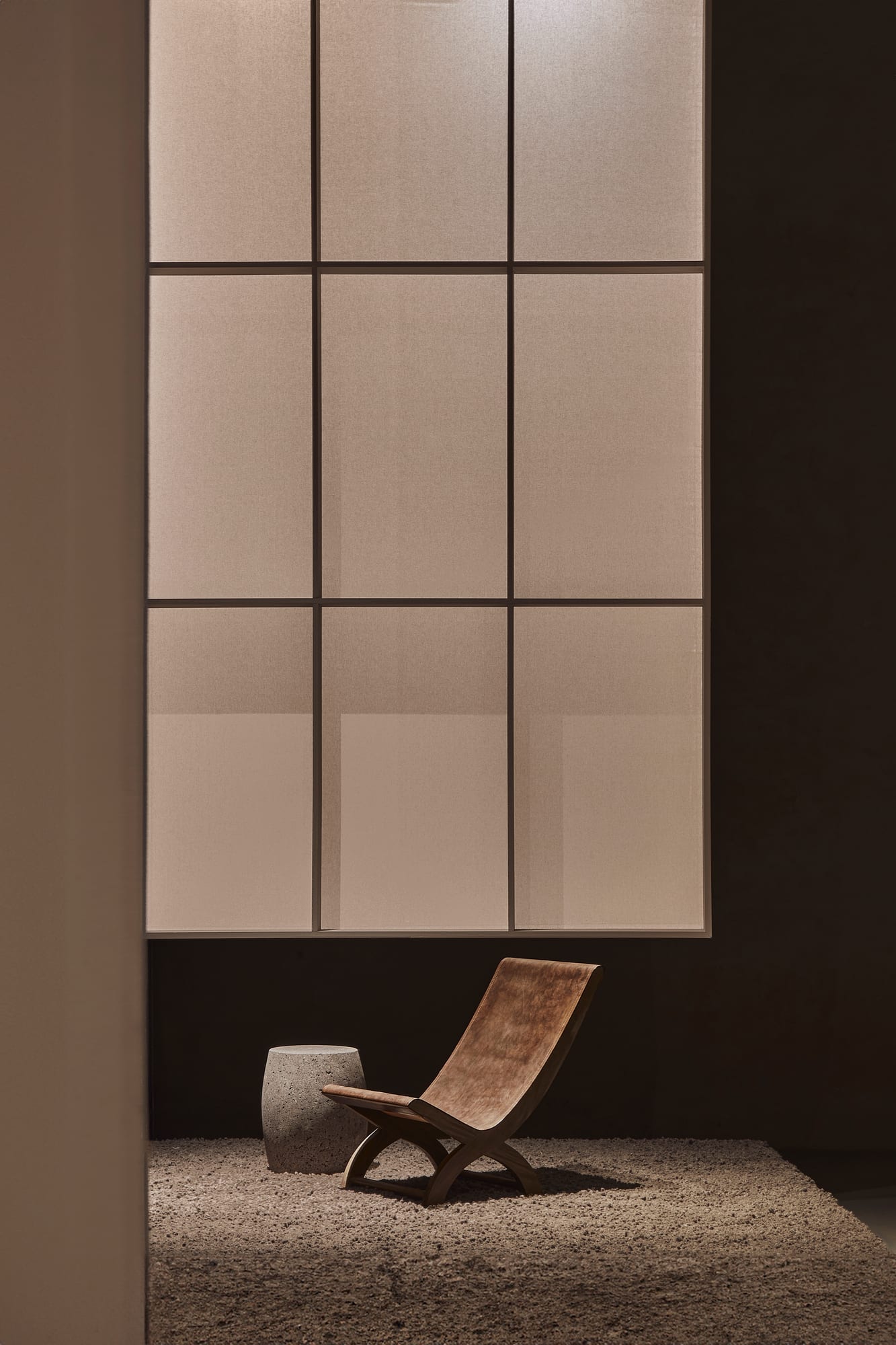
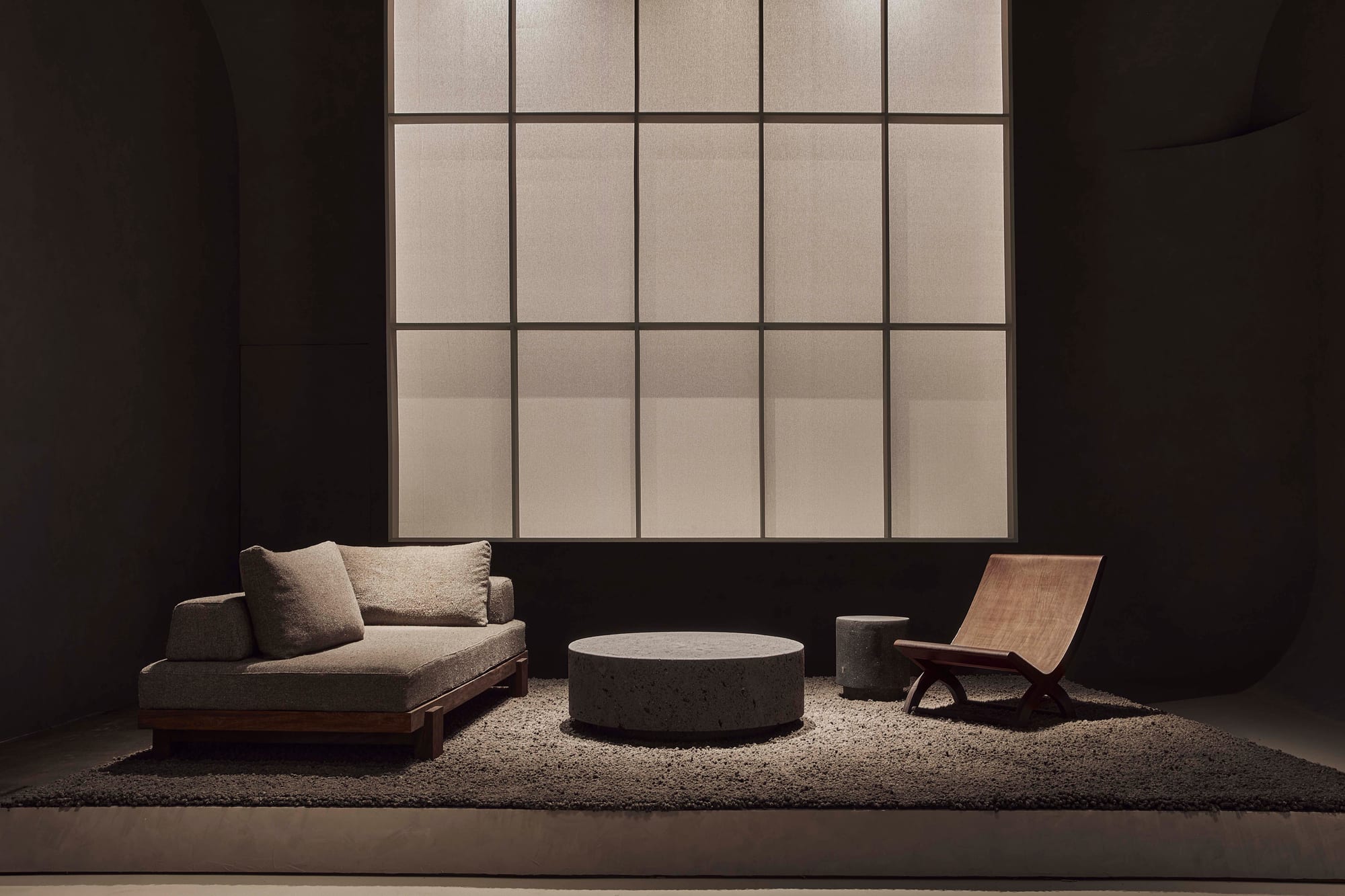
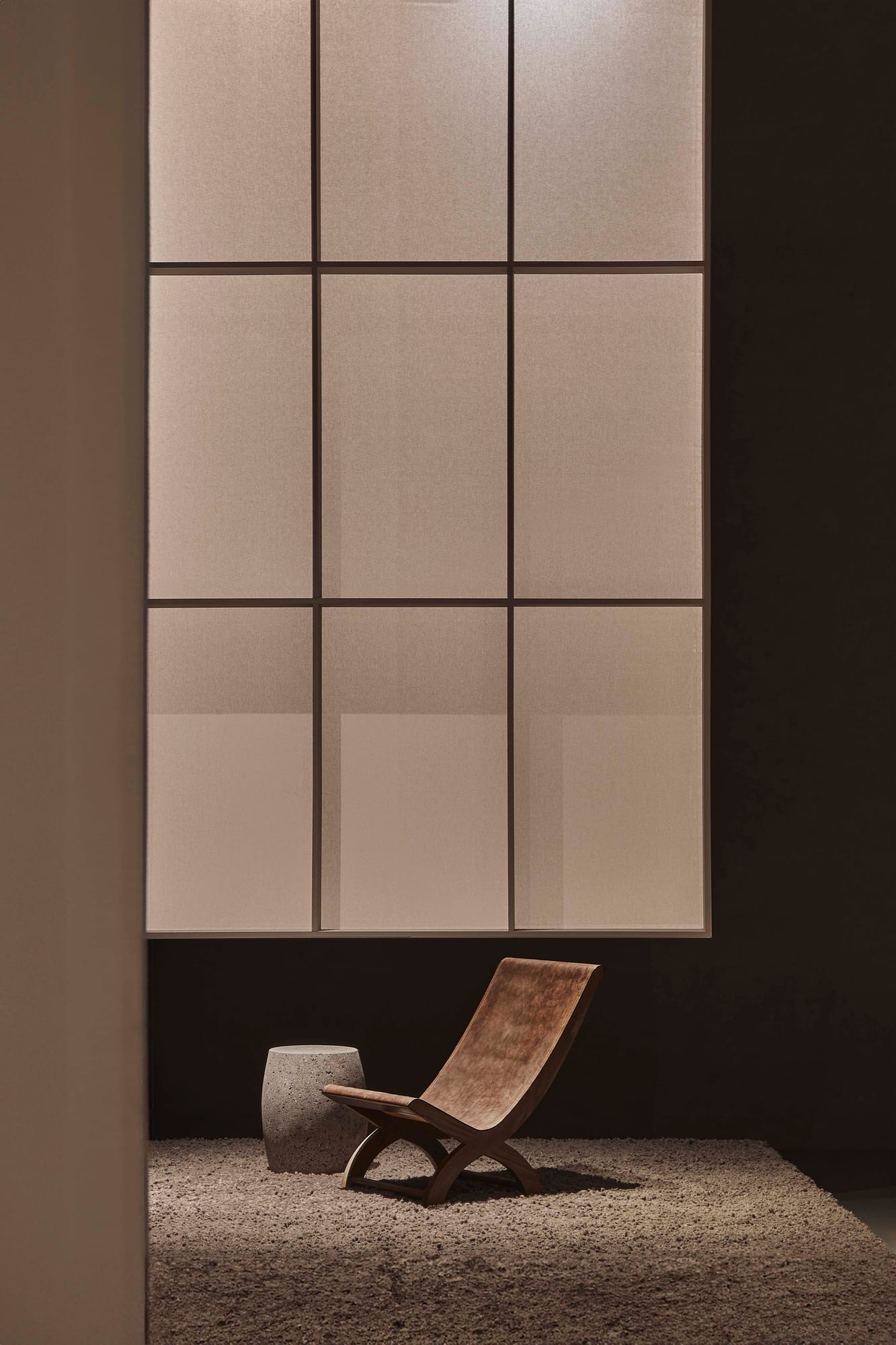
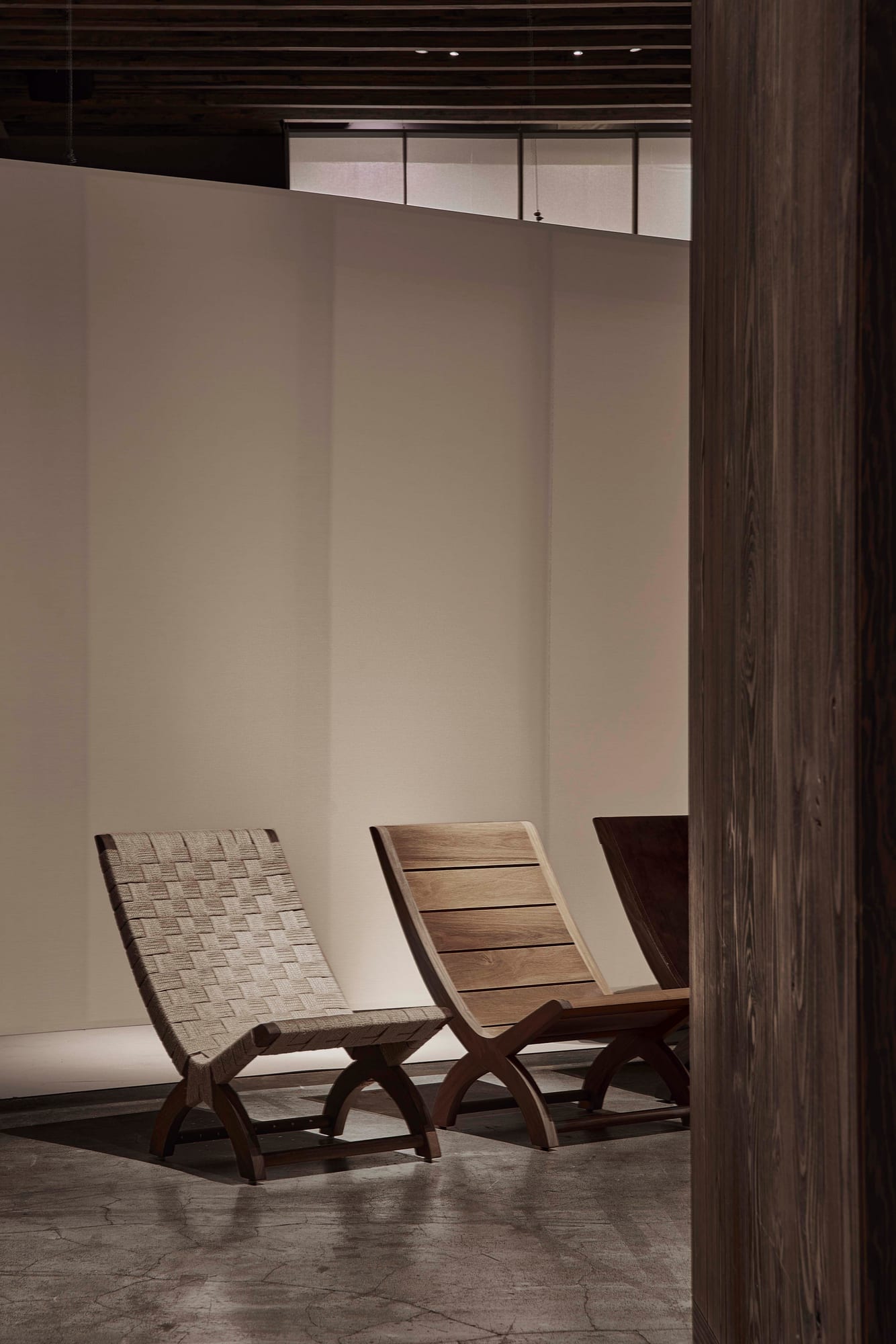
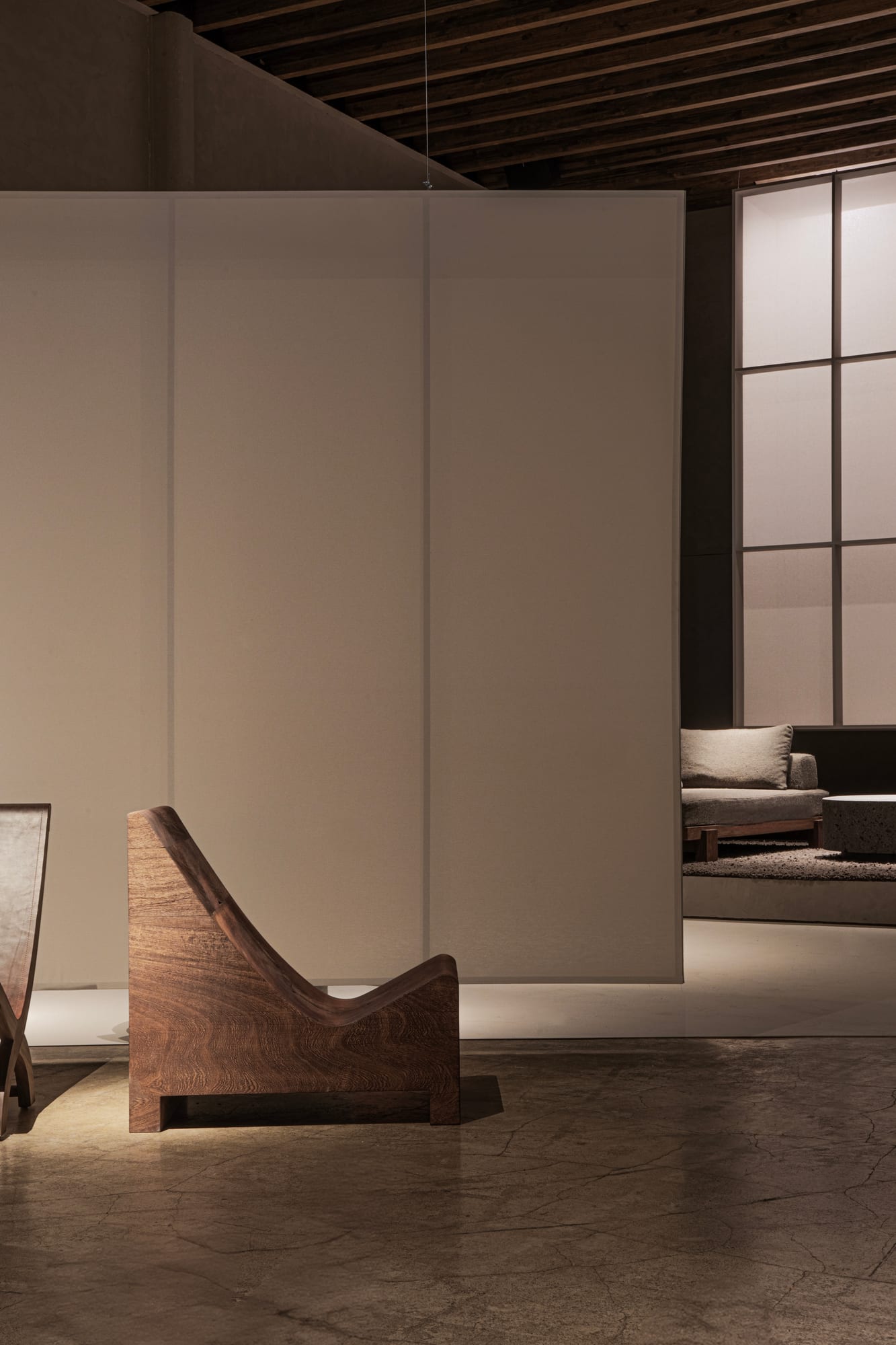
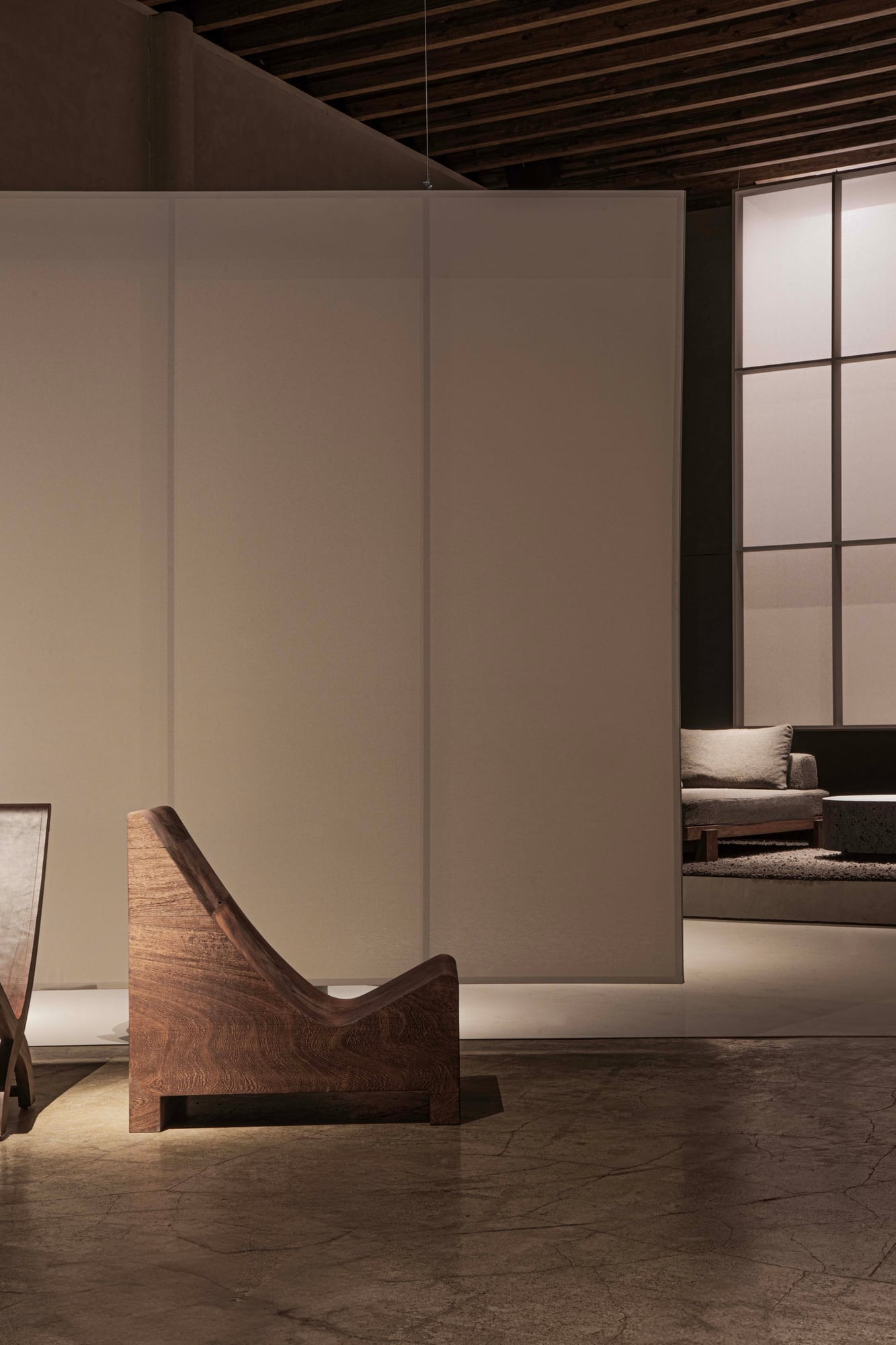
The Criollo Collection by Habitación 116 comprises a criollo leather butaque, a criollo banqueta, an H_ dining/writing table, a daybed/bed, a storage cabinet, and a round H_ living room table – a total of five distinctive pieces.
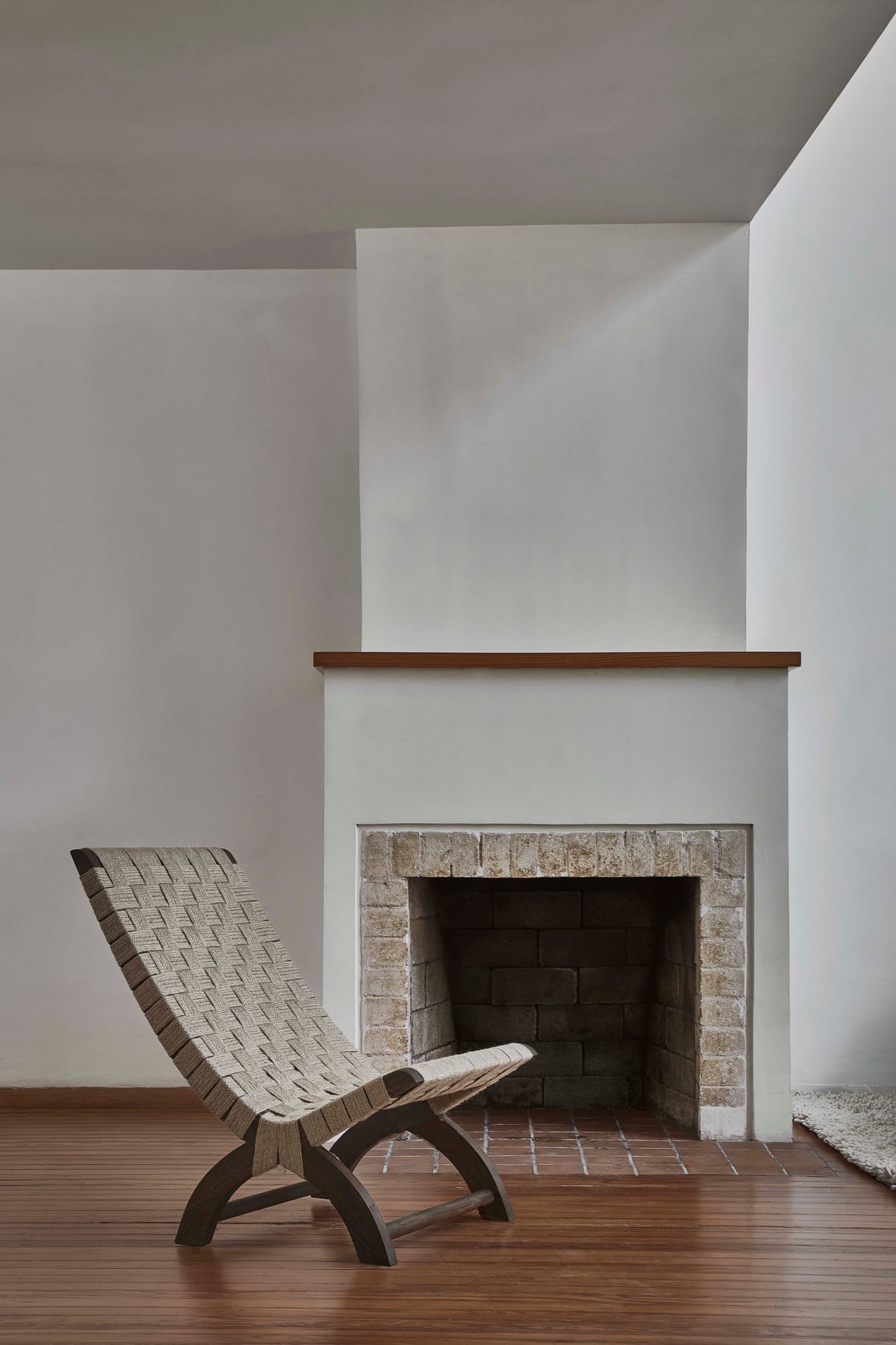
These items represent a reinterpretation of the five unique furniture elements initially showcased by Clara Porset (1895-1981) at Artek-Pascoe in New York in 1947. Crafted for a one-room apartment, they evoke the intimate ambiance of Porset’s personal studio, particularly apartment B in the Building for Four Artists, designed by Max Cetto and Luis Barragán in 1939. This space played a pivotal role in Porset’s creative journey, reinforcing her firm belief in the shaping influence of architectural environments and their direct impact on intellectual pursuits. Within this iconic studio, Porset refined her distinctive style, seamlessly blending rural Mexican elements with the principles of international functionalism – the epitome of which is embodied in the butaque.
Imported from Spain and adapted to Mexico through a myriad of solutions and designs until it became a vernacular piece, the butaque reflects the rich geographical and cultural tapestry of the diverse regions of Mexico, where each iteration resonates with unique variations. Criollo takes its name from this process and, as a collection, is an exploration of the intricate interaction between repetition and experimentation. It seeks to unravel how various techniques, materials, scales, and forms explored within the same theme constitute the creative process that leads to the resolution of individual pieces and cohesive collections.
At the heart of this exhibition lies a fundamental principle that guided Clara Porset throughout her career: the profound influence of the plastic heritage of ancient Mexican cultures seamlessly integrated into the realm of modern design. Porset referred to this influence as reverberations – a reflection of sound that begins to be heard before its source runs out.