
For STRATUM, a geo-aesthetic intervention by Luis Carrera-Maul presented at UNAM’s MUCA, from July 30 to October 29, 2022, we developed a dynamic communications strategy, refining texts and creating editorial content. We interviewed 10 leading scientists across various disciplines, generating a series of transdisciplinary dialogues.
Peter Kriegier
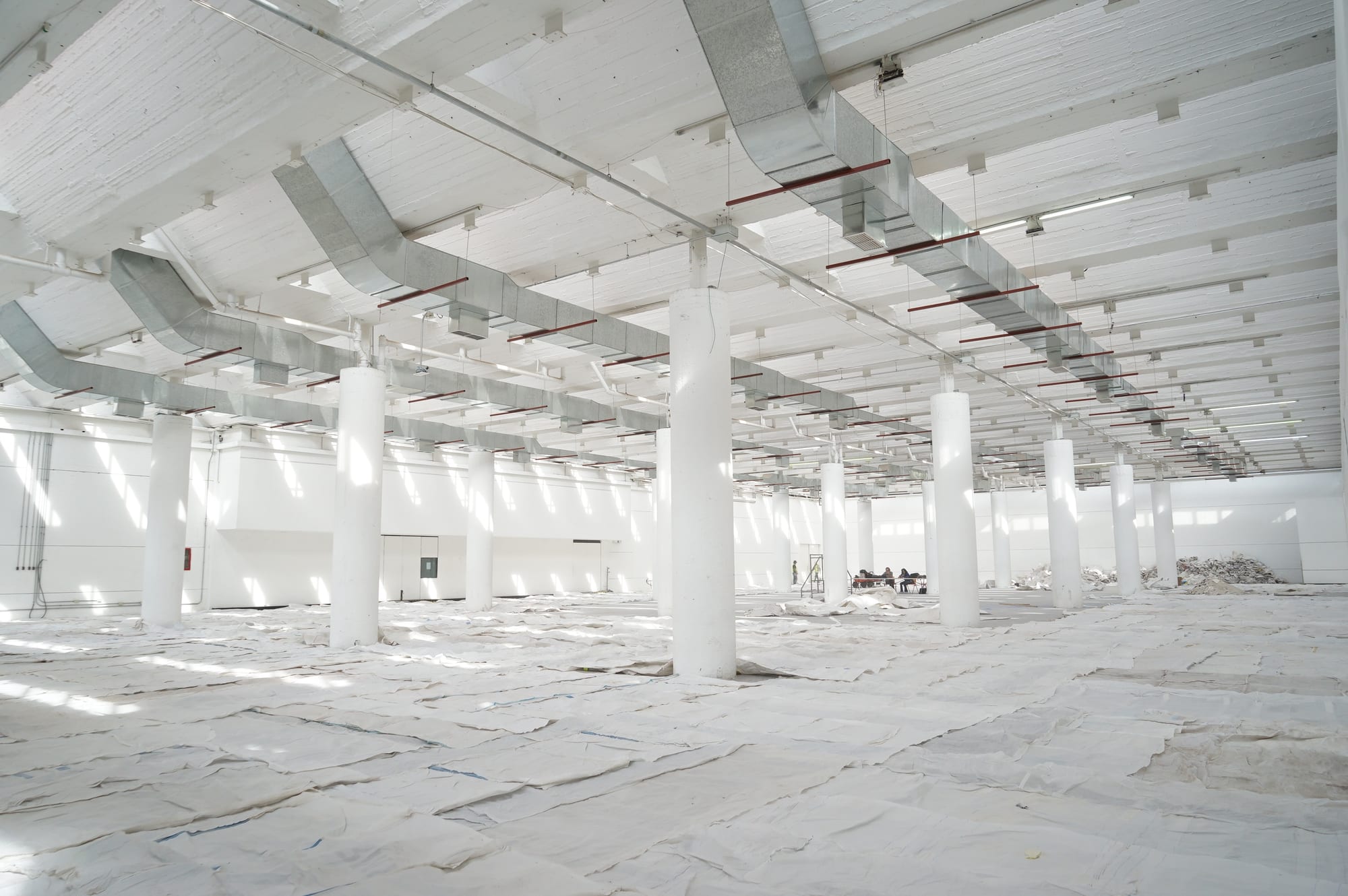
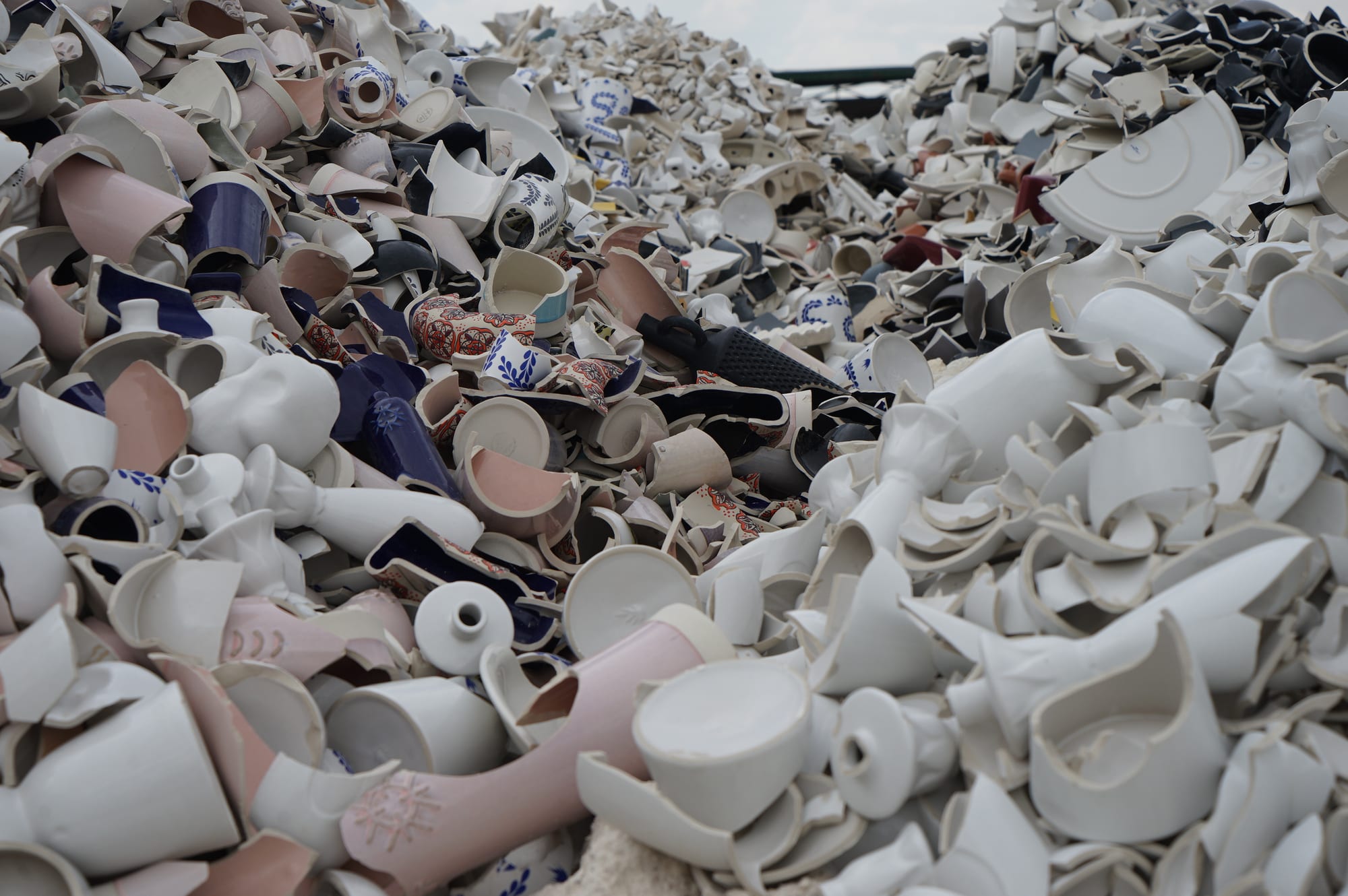
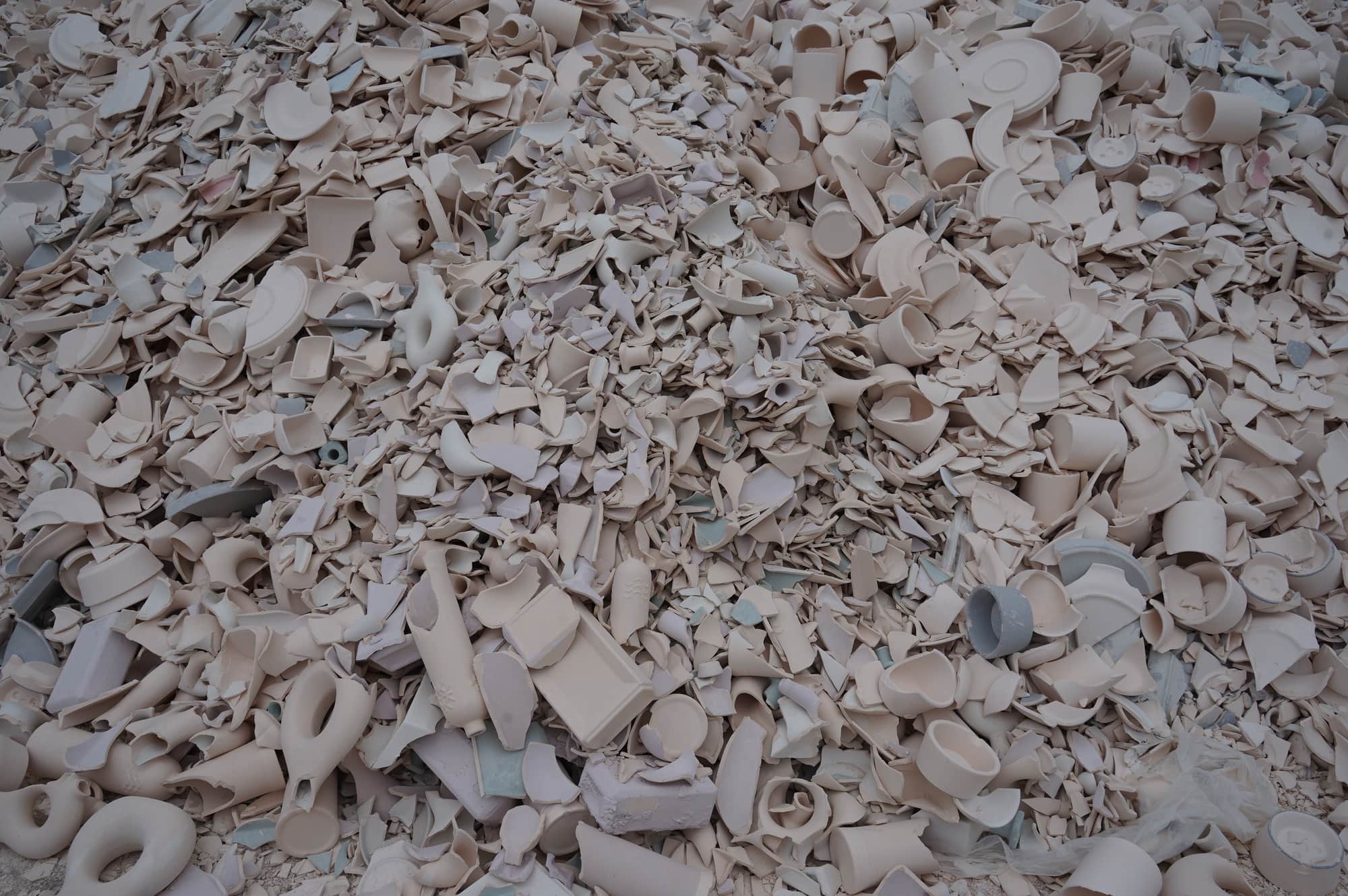
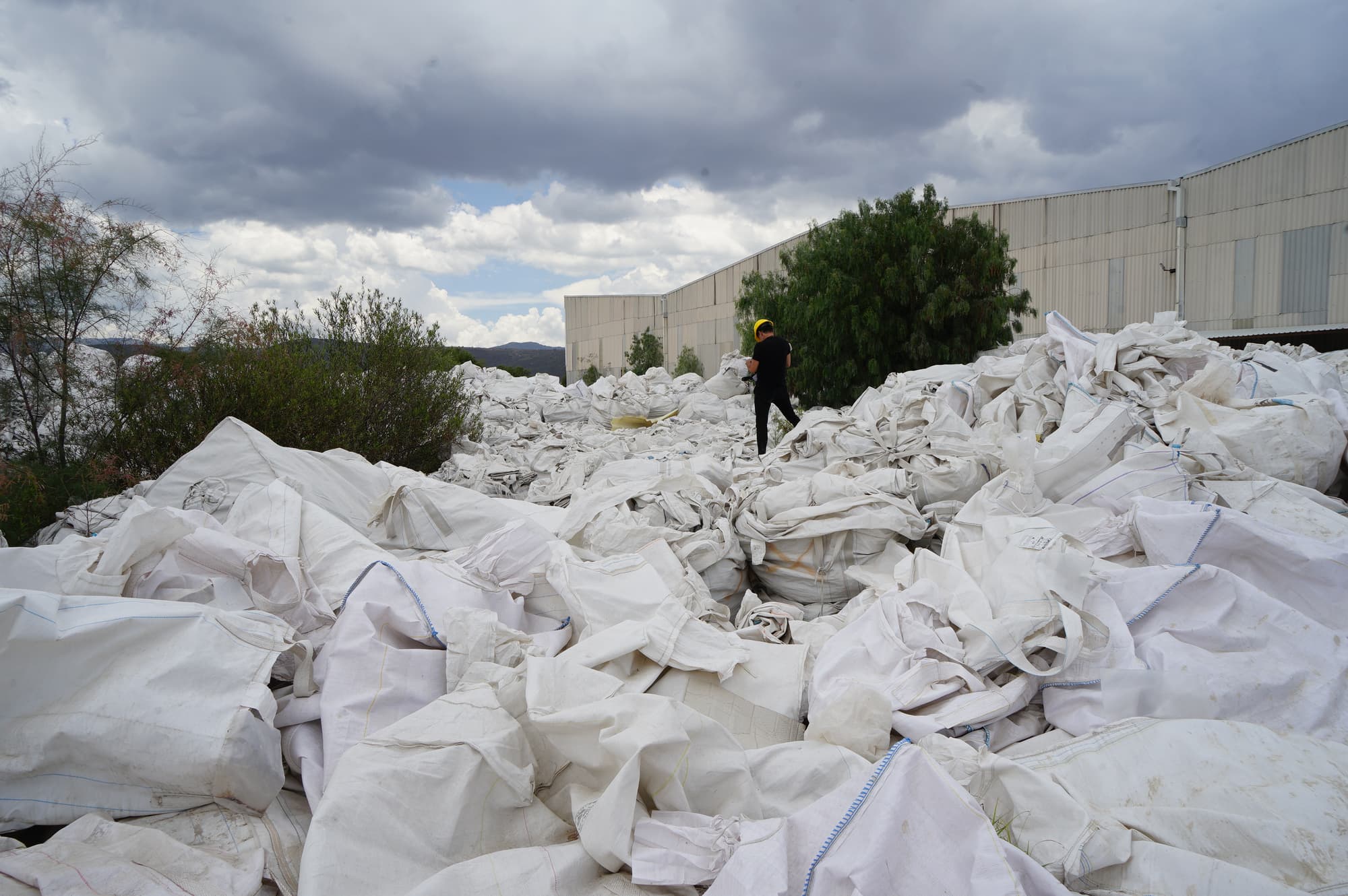
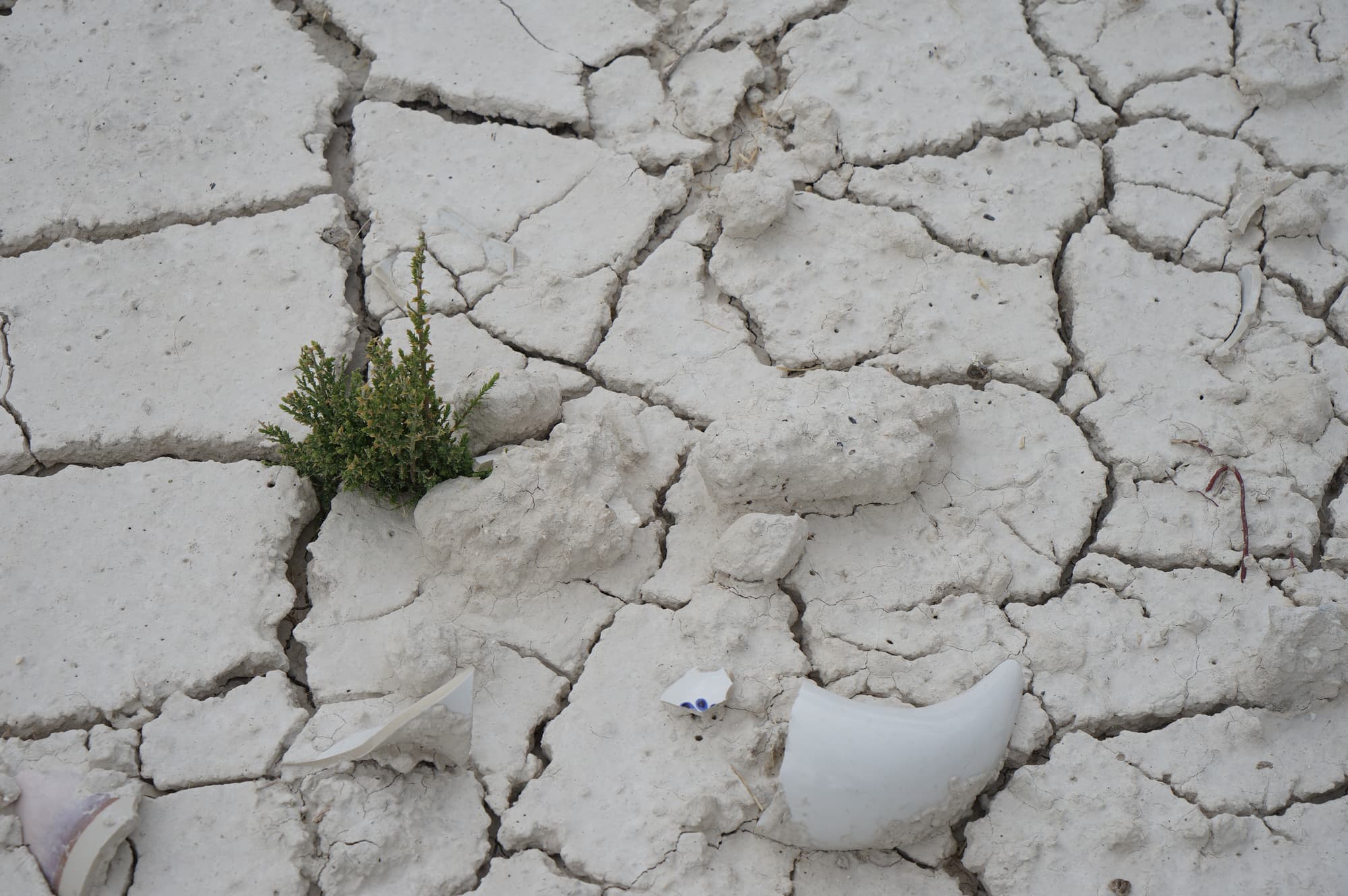
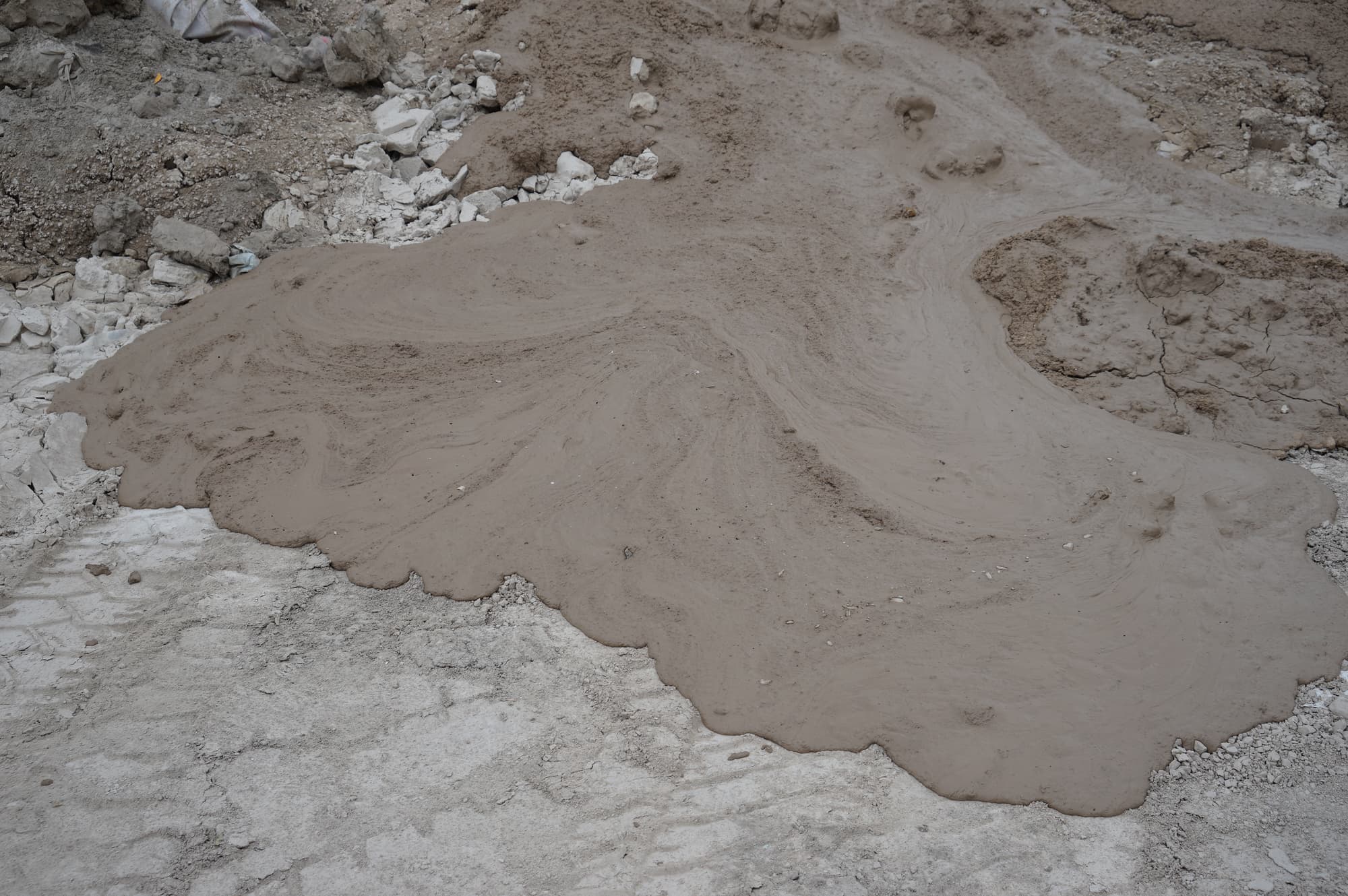
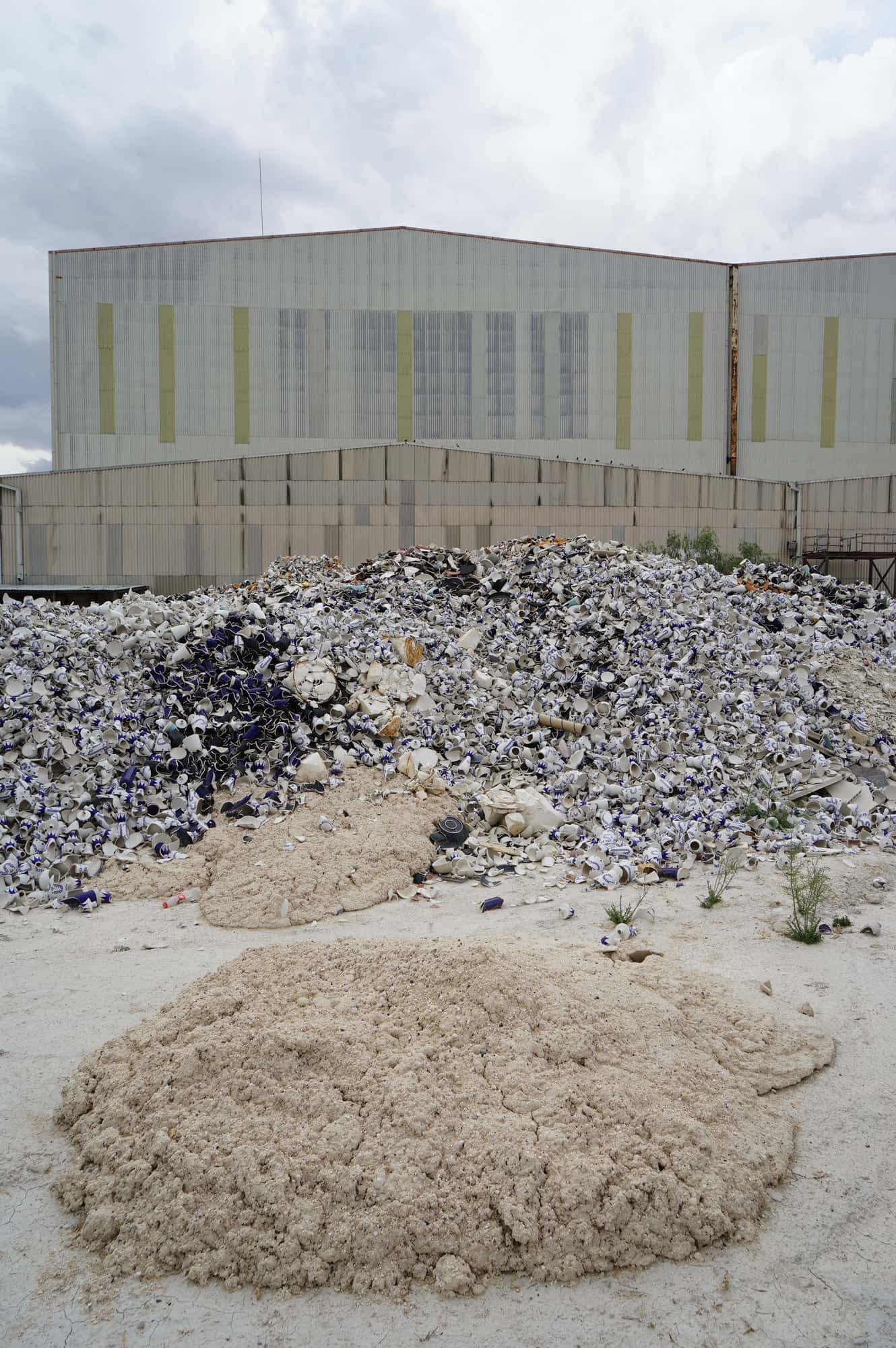
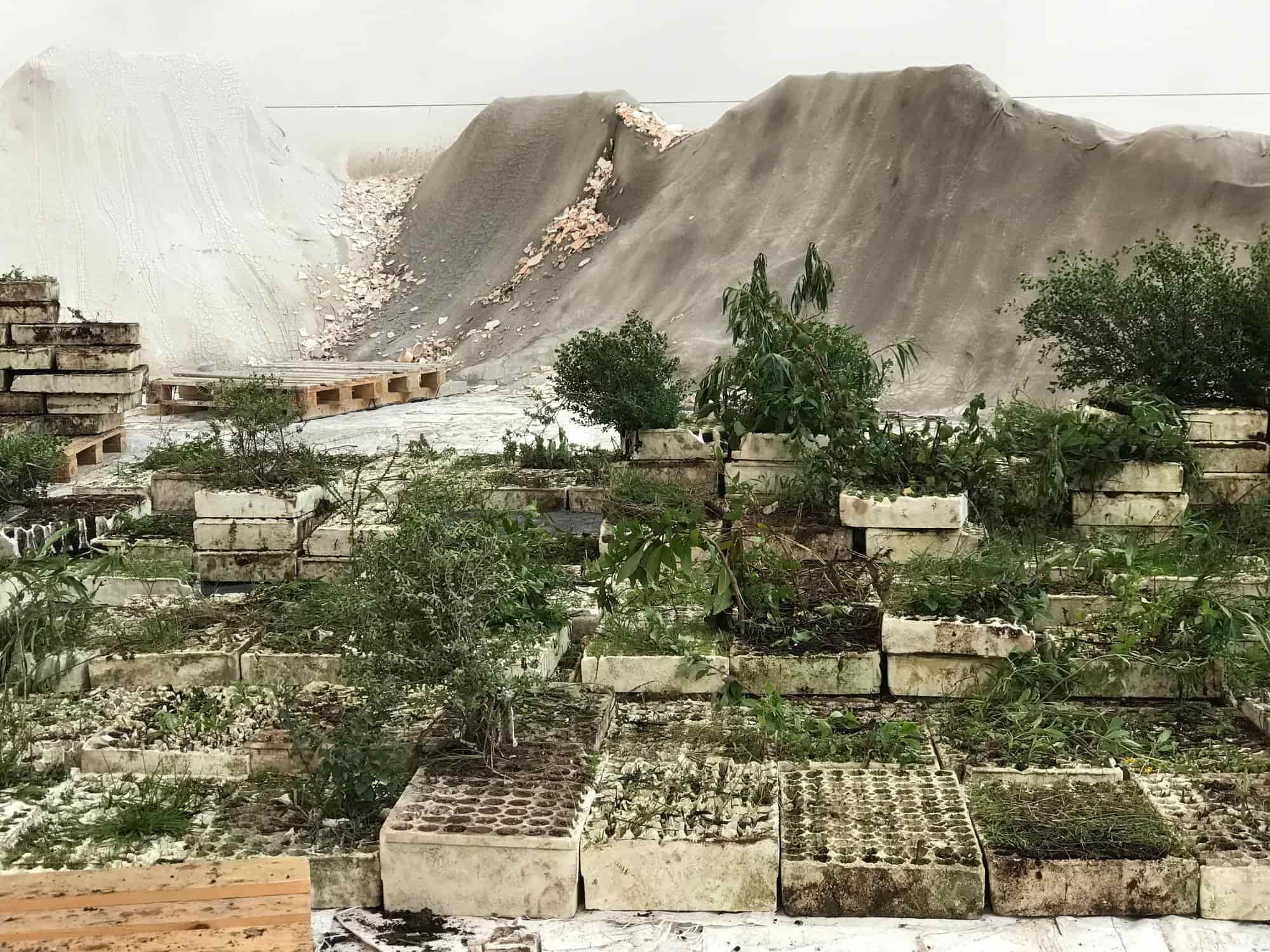
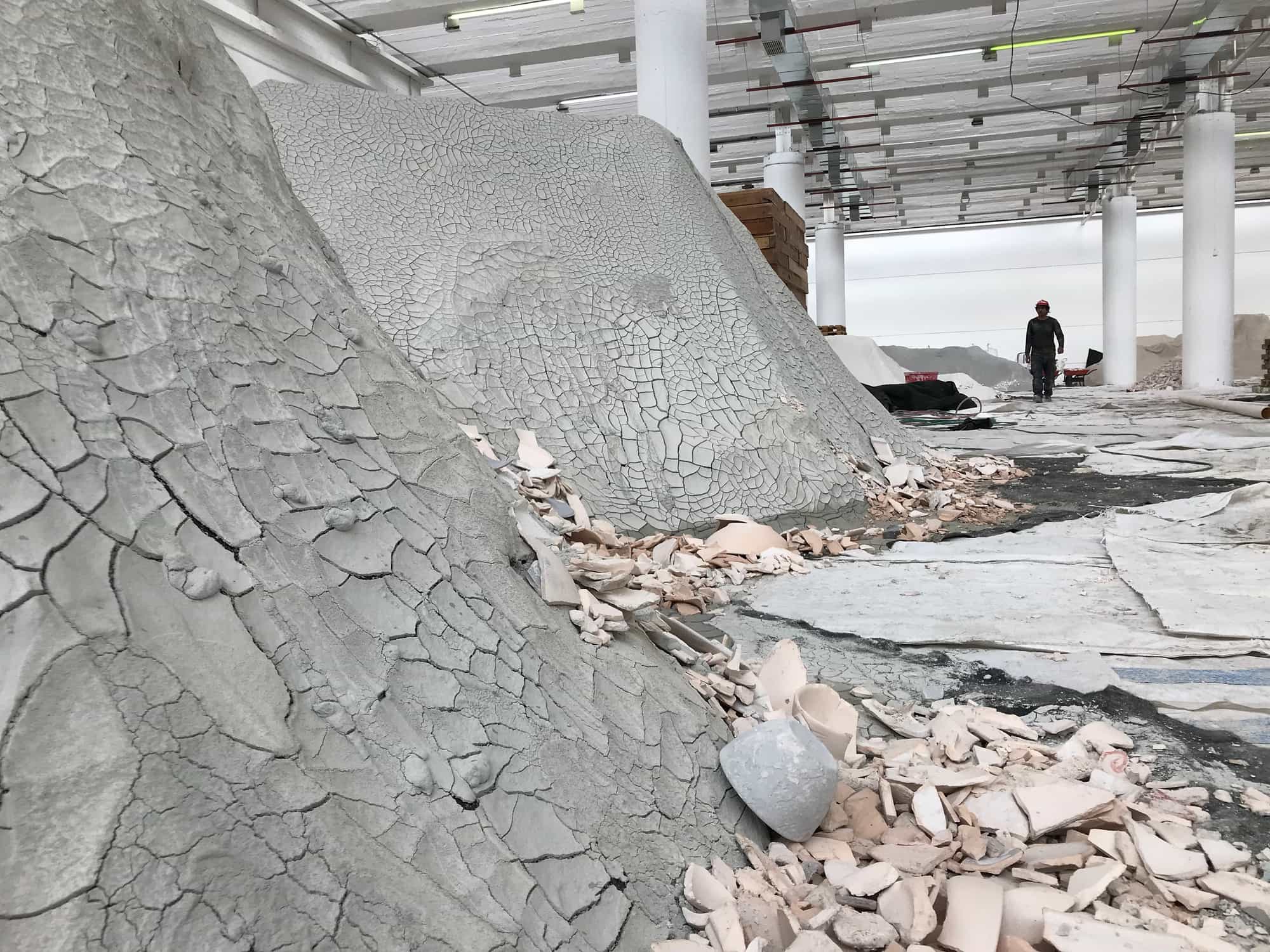
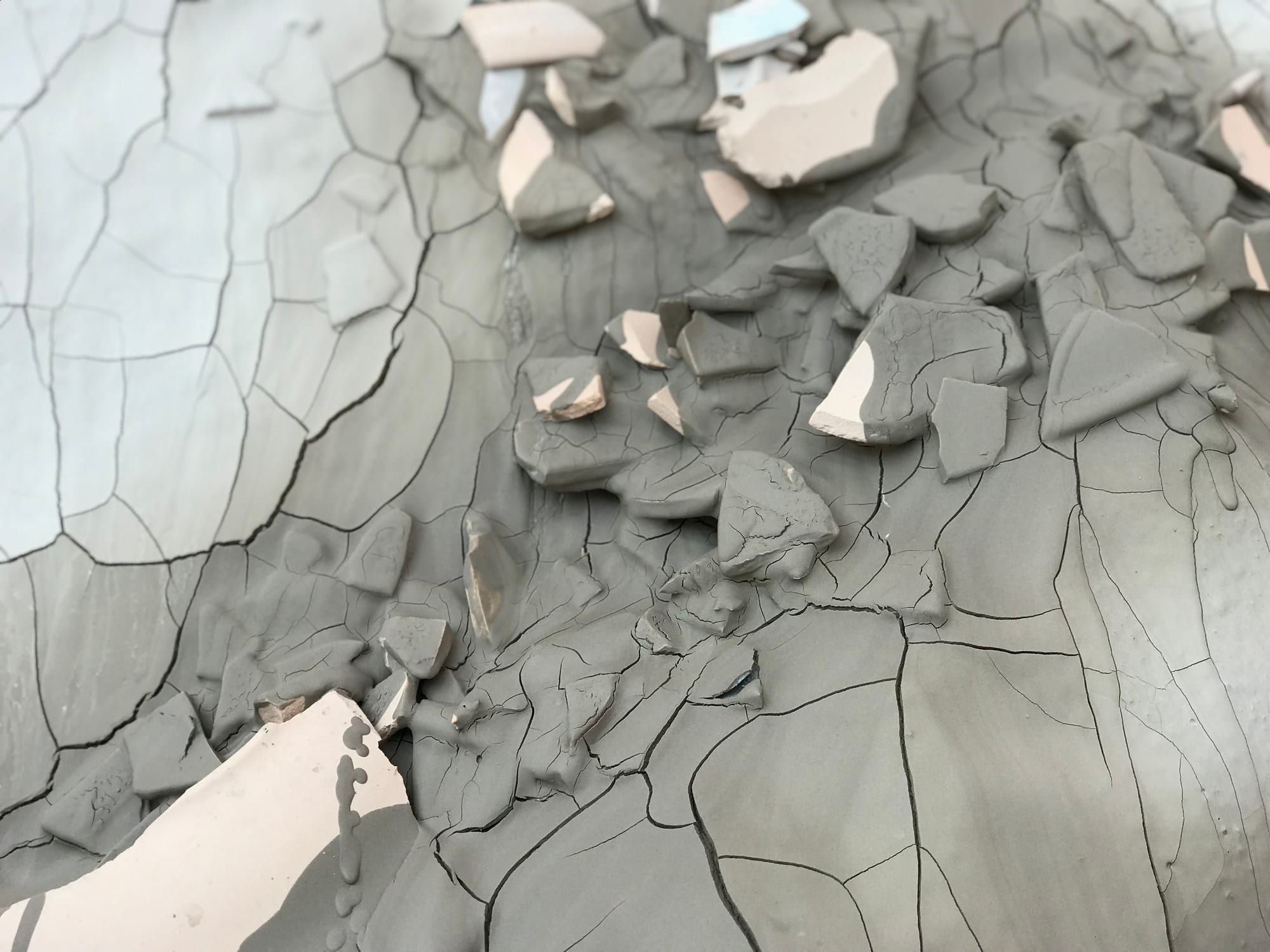
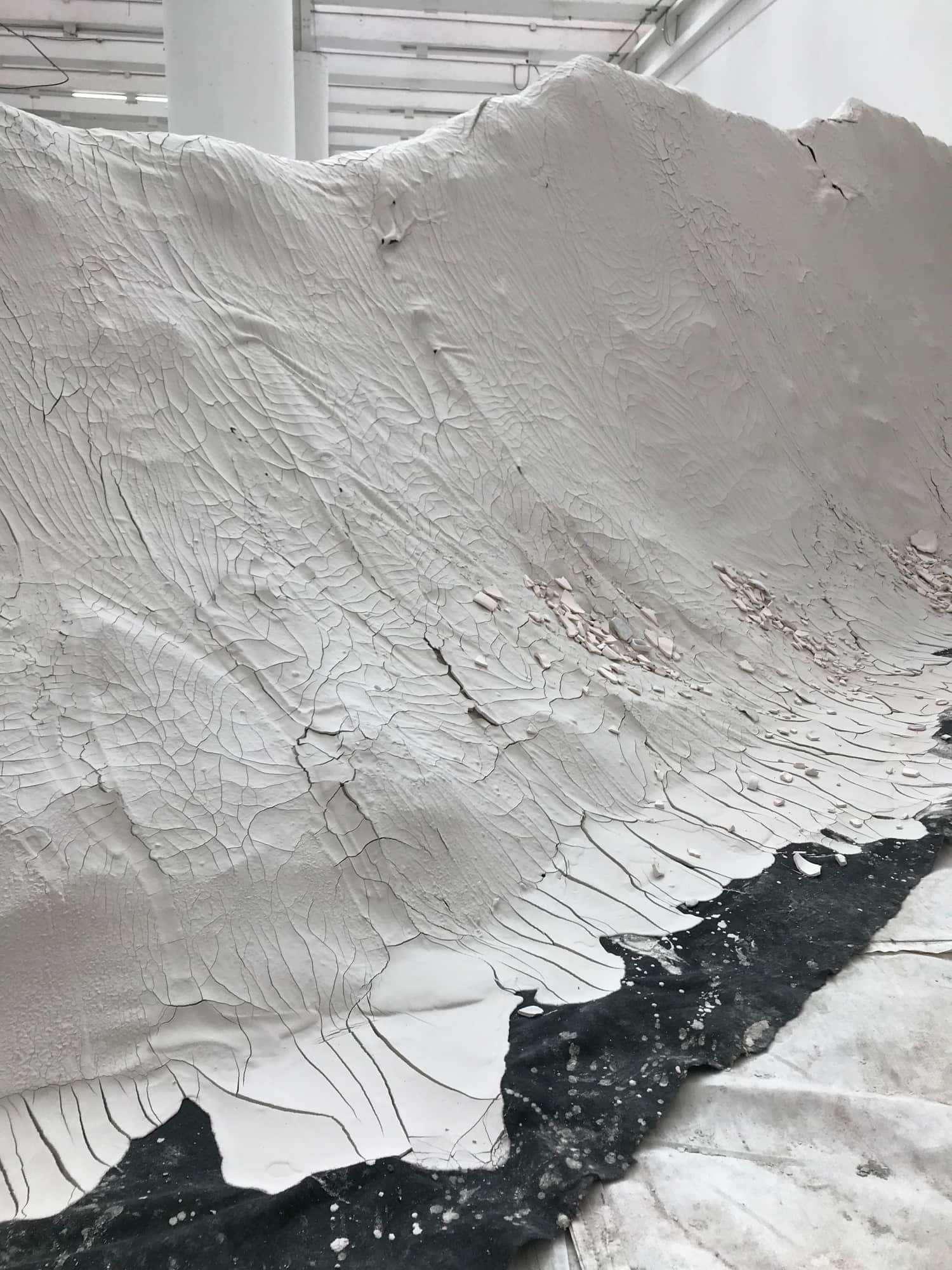
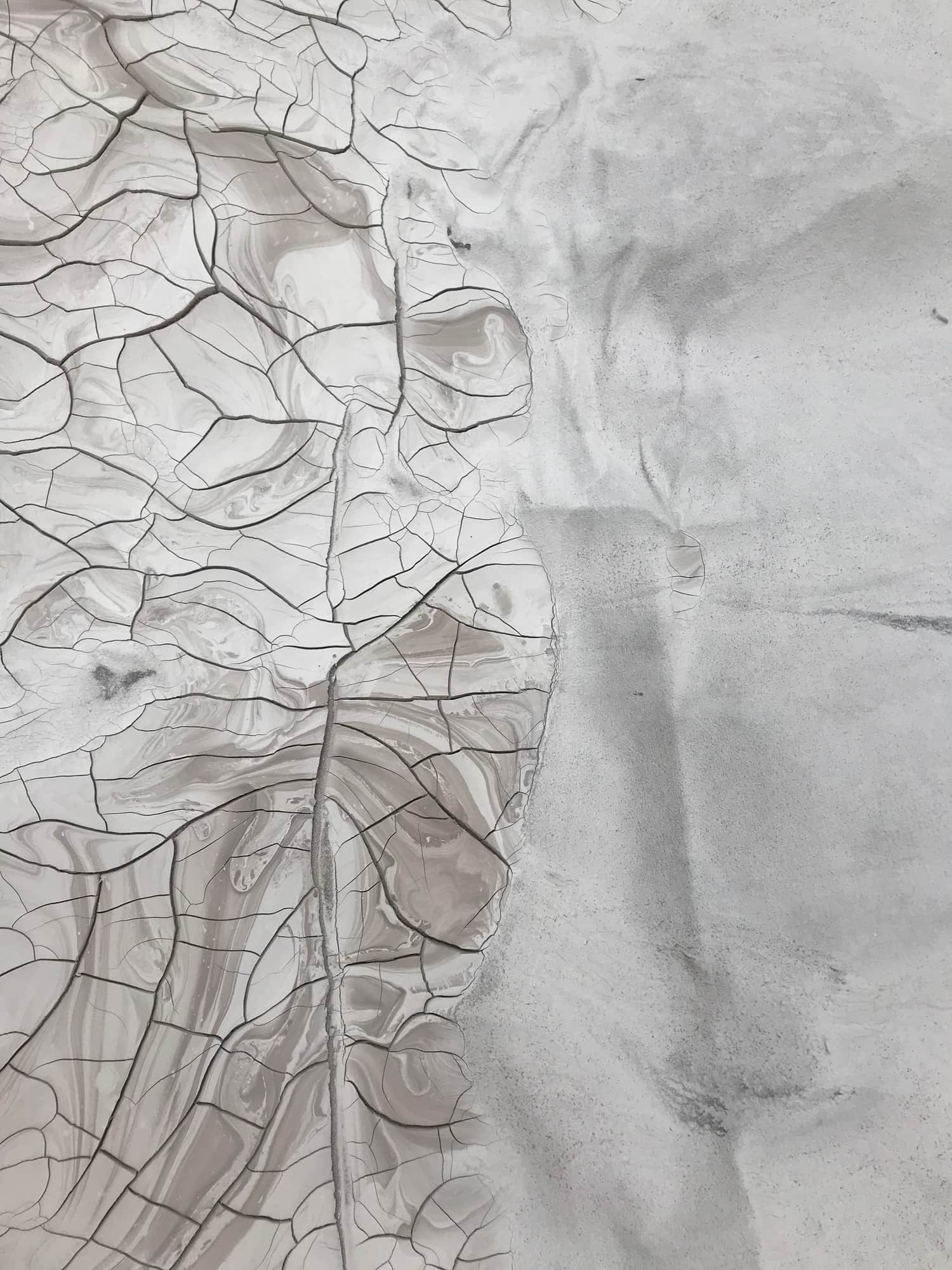
STRATUM is a geo-aesthetic intervention by artist Luis Carrera-Maul, which aims to stimulate critical debates on the non-sustainable management of planet Earth in the present epoch of the Anthropocene. It is an artificial landscape that reproduces the outlines and volumes of the volcanoes in the Valley of Mexico, covered with industrial waste produced by Ánfora, a ceramics company in Pachuca in the state of Hidalgo, Mexico. This geomorphological relief contrasts with the human impact: a layer of industrial disposals is covering the emblematic mountain scenery – an alarming example of the present situation in which the Earth’s techno-mass (all human-made products, such as cities, infrastructures, etc.) weighs more than its biomass.
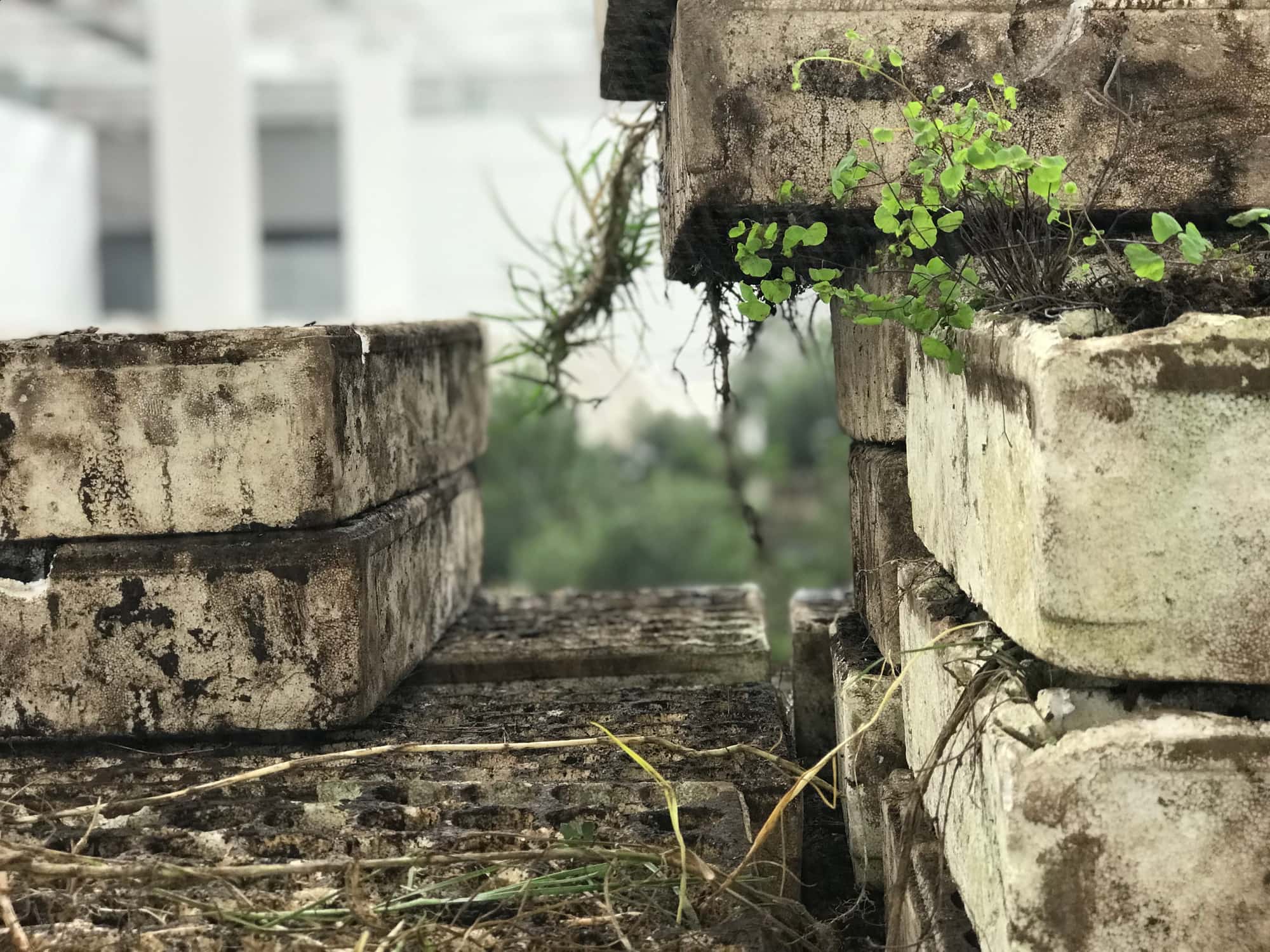
The artist traces the installation on a map of the Mexican basin’s magnetic fields, which is used for the extraction of metals in the subsoil strata. The basin’s natural landscape is a human construct: hyper urbanized, eroded, intoxicated, and exploited; it is a paradigmatic stratum of the Anthropocene. The layers of constructions as well as garbage cover the soil, and generate the new stratum of the Anthropocene. While the ceramics waste is earth material, the polystyrene seed trays, which the artist placed in the center of the installation, have long cycles of biological decomposition. Yet, in these fractured structures plants grow, generating an autopoietic vegetal propagation, under adverse conditions – a sign of hope, which the artist sows in this museum, converted into a laboratory and greenhouse.
In this installation, different temporalities collide: the short cycles of extraction-production-waste of ceramics, the persistence of polystyrene, and the rapid growth of wild vegetation (permanently irrigated during the exhibition). A three-dimensional image of a geo-landscape emerges, with plastic strength and visual tensions, a landscape with pathways for visitors, for contemplation and provocation of the senses. STRATUM is a metamorphic installation, a gigantic, vivid still life sublime and disquieting. STRATUM provides evidence of the complex relation between aesthetics and geology, as conceptualized by Alexander von Humboldt more than two centuries ago: this is the art of Earth in the Anthropocene.
STRATUM offers alternative perspectives on environmental problems. It also stimulates transdisciplinary dialogues between the sciences and the humanities, benefitting from the diverse knowledge production at the National Autonomous University of Mexico (UNAM). In particular, the exhibition recalls the original experimental mission of the MUCA. This monumental work of art is the product of artistic research carried out at UNAM’s Faculty of Arts and Design, receiving scientific feedback from various institutes and departments, such as those of Geophysics and Biology, as well as from the University City Ecological Reserve (REPSA), the University’s Interdisciplinary Program on Soils (PUEIS) and the Coordination of Research on Sustainability (COUS).